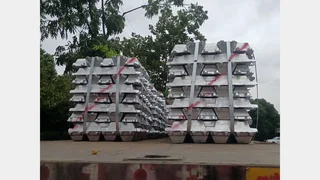
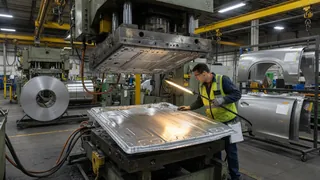
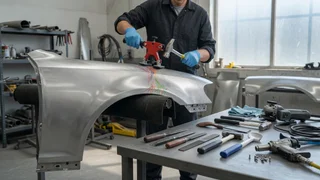
Repair Ford aluminum body panels
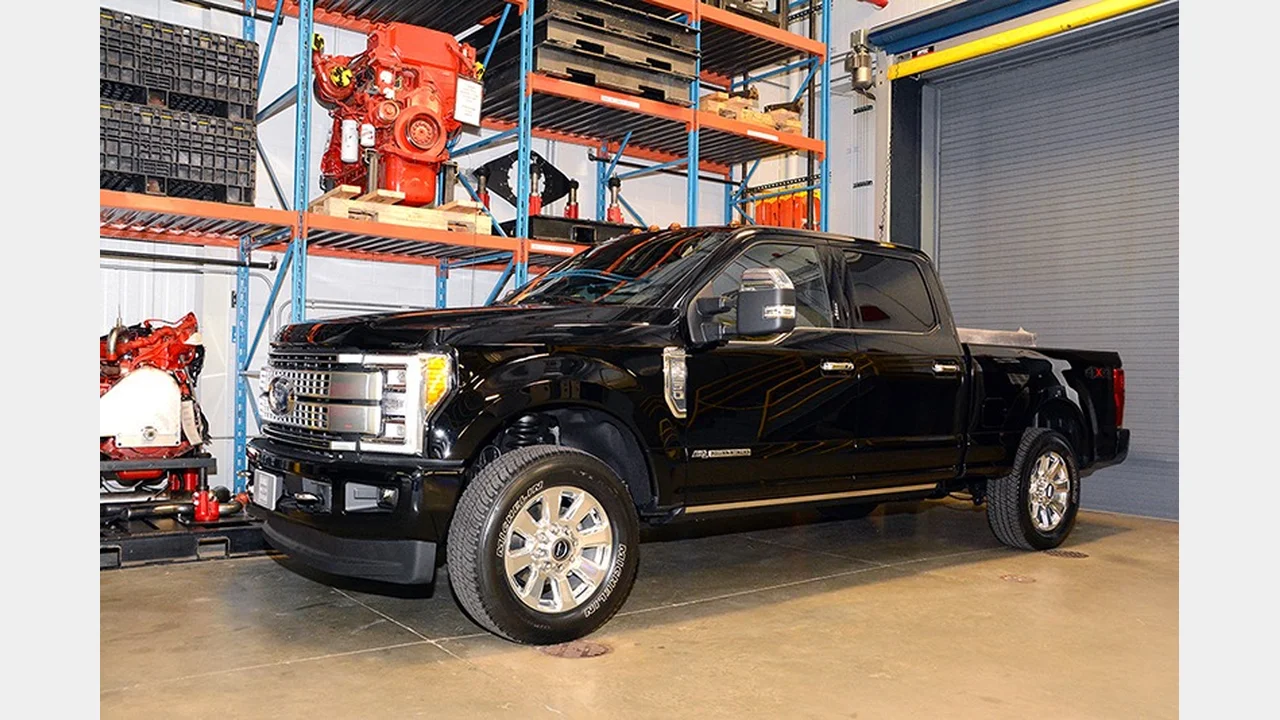
Repairing Ford aluminum body panels requires different tools, preparation, and repair methods than traditional steel panels. Aluminum is lighter and resists rust, but it work-hardens quickly, conducts heat differently, and reacts with certain chemicals. Shops must separate aluminum work areas from steel grinding dust to avoid galvanic corrosion. The goal is a durable surface that preserves panel alignment, coating compatibility, and corrosion protection.
Essential answer
Ford aluminum body panels can be repaired, but the substrate material changes every stage of the process. Basic metal finishing still applies, yet aluminum moves and stretches less predictably under hammer pressure. Heat control is more critical because aluminum gives little visible warning before melting. A proper repair therefore begins by identifying the alloy, the panel construction, and whether the damage is in an outer skin or a bonded structural area rather than assuming a steel-style straightening routine will work.
Surface preparation is the foundation of a lasting aluminum repair. The oxide layer must be removed immediately before filling or priming, and only abrasives dedicated to aluminum should be used. Cross-contamination from steel sanding particles can embed in the soft surface and later create corrosion. Panel alignment also needs care because aluminum has different springback than steel. Technicians often use adhesive bonding and rivet bonding alongside limited welding, matching the repair method to the original factory joining technique.
Diagnosing a problem
Visible cracks, loose trim, ripples, or paint blistering on a Ford aluminum panel are clues rather than proof of one single cause. A crack near a body line may indicate work-hardening from a previous impact or repeated flexing. Blistered paint can point to moisture trapped under a coating, while a dull gray powdery surface usually signals normal aluminum oxide. Observing whether the defect follows a crease, a bonded seam, or a fastener location helps separate structural stress from a surface finish issue.
If a panel has been repaired before, check for signs of mixed-metal contact or sanding scratches that were never sealed. Some manufacturer-dependent assembly methods use rivets, adhesives, and hemmed edges, so a repair that is safe on one model may be inappropriate on another. A fault code or body module warning is only evidence to investigate, not proof that a panel or sensor has failed. When damage affects mounting points, door gaps, or crash-energy paths, the vehicle should be evaluated before further use.