Regular Vehicle Service Schedule: What It Is and How It Works

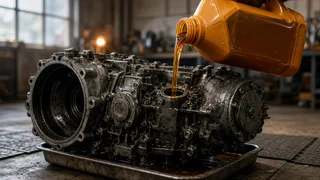
A regular vehicle service schedule is the manufacturer's plan for when specific maintenance tasks should be done on your car, such as changing fluids, replacing filters and inspecting wear parts. Periodic service of a car follows that plan, with tasks triggered by time and mileage, whichever comes first. The exact intervals are not universal. They depend on the make, model year, engine or powertrain, and the conditions the vehicle is driven in. That is why the owner's manual or the manufacturer's maintenance guide for your specific vehicle is the reference that matters, not a generic rule of thumb.
What a service schedule actually is
A service schedule is a list of scheduled service items paired with intervals. Each item has a point at which it should be inspected, adjusted or replaced. Some tasks repeat often, like oil and filter changes on vehicles with combustion engines. Others come up rarely, like replacing certain belts, coolant or spark plugs. A few items are inspection-only, meaning a technician checks the condition and replaces the part only if it is worn.
Regular maintenance of vehicles is preventive. Its purpose is to replace consumables before they degrade enough to cause damage, and to catch wear early, when it is usually cheaper and simpler to address. This is different from repair work, which happens after something has already failed or started to malfunction.
How service intervals are set: time and mileage
Most manufacturer schedules express each service interval in two ways: a distance and a period of time. The task is due when either limit is reached. Both limits exist because components age in different ways. Engine oil, brake fluid, coolant and rubber parts can deteriorate with time even if the car is rarely driven. Parts like tires, brake pads and filters wear mainly with use.
This is why a low-mileage car still needs periodic service. A vehicle that sits for long stretches or only makes short trips may reach the time limit long before the mileage limit.
Normal versus severe operating conditions
Many manufacturers publish two versions of the schedule, often labeled normal and severe (sometimes called special operating conditions). The severe schedule shortens some intervals or adds inspections. What counts as severe is defined by each manufacturer, but it commonly includes the following situations.
Frequent short trips where the engine does not fully warm up; Heavy stop-and-go traffic or extended idling; Towing a trailer or carrying heavy loads; Driving on dusty, muddy, gravel or salted roads; Operation in very hot or very cold climates; Sustained high-speed or high-load driving
Many everyday drivers meet at least one of these descriptions without realizing it. If your driving matches the manufacturer's severe definition, following that version of the schedule is the safer choice.
Common scheduled service items
The table below shows categories of work that typically appear on a maintenance schedule. Which items apply, and how often, varies by vehicle and powertrain. It is an overview, not a substitute for your vehicle's schedule.
Category | Typical work | What usually drives timing; Engine oil and filter | Drain and refill, new filter | Time and mileage, or an oil life monitor; Air and cabin filters | Inspect and replace | Mileage and dust exposure; Tires | Rotation, pressure check, tread and damage inspection | Mileage; Brakes | Pad, rotor and line inspection; brake fluid replacement | Wear for pads; time for fluid; Coolant | Level check, eventual replacement | Time and mileage; Transmission and driveline fluids | Inspection or replacement, depending on design | Mileage and operating conditions; Ignition (gasoline engines) | Spark plug replacement | Mileage; Belts and hoses | Inspection; timing belt replacement where fitted | Mileage and age; Battery and electrical | Battery test, terminal and lighting checks | Age and climate; Suspension and steering | Inspection of joints, boots, shocks and alignment | Mileage and road conditions; Wipers and lights | Blade replacement, bulb checks | Wear and visibility
How schedules differ by powertrain
The type of powertrain changes what is on the list. Gasoline and diesel vehicles carry the full set of engine-related items, and diesel models may add tasks such as fuel filter service and, on many modern versions, exhaust aftertreatment checks or fluid refills. Hybrids keep most engine maintenance, but the engine may run less often, and the regenerative braking system can reduce brake pad wear. Some hybrids also have specific cooling requirements for the battery or inverter.
Battery electric vehicles drop oil changes, spark plugs and many engine-related items entirely. They still need tire rotation, brake inspection and brake fluid service, cabin filter replacement, suspension checks and, on many models, coolant service for the battery and power electronics. Because these details vary widely between models and generations, the specific manufacturer schedule is especially important for hybrids and EVs.
Fixed schedules and maintenance reminder systems
Many newer vehicles use an onboard maintenance minder or oil life monitor instead of, or alongside, a printed schedule. These systems estimate when service is due based on factors like engine operating data, temperature and driving patterns. Usually they display a message or code that indicates which group of tasks is due. A reminder system can be more tailored than a fixed interval, but it typically still has a maximum time limit. Some items, such as certain fluids or inspections, may remain on a separate time-based schedule. The owner's manual explains how your vehicle's system works and what it covers.
Periodic service compared with other types of car care
Type | Purpose | When it happens; Scheduled maintenance | Replace consumables and inspect wear items before problems develop | At manufacturer-defined time and mileage intervals; Repair | Fix a part or system that has failed or is malfunctioning | When a fault, warning light or symptom appears; Recall or campaign work | Correct a manufacturer-identified defect | When the manufacturer issues a notice; State inspection | Confirm the vehicle meets local safety or emissions rules | As required by the state, where applicable; Owner checks | Catch obvious issues between services | Regularly, by the driver
A state safety or emissions inspection, where one is required, is not the same as manufacturer maintenance. Passing an inspection does not mean scheduled service items are up to date.
Simple checks between services
Good vehicle health care also includes a few owner checks between shop visits. These checks do not replace professional service, but they help you notice problems early.
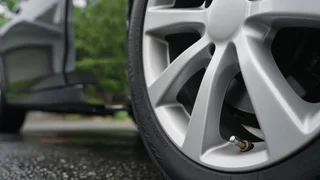
Tire pressure, including the spare if equipped, checked against the placard on the driver's door jamb; Visible tread wear or damage on tires; Engine oil level on vehicles with a dipstick; Windshield washer fluid level; Exterior lights and turn signals; Warning lights on the dashboard; New noises, vibrations, smells or changes in braking feel
Taking your car for service: dealer or independent shop
In the US, you are generally not required to have routine maintenance done at a dealership to keep a new-vehicle warranty valid. Federal law restricts manufacturers from voiding a warranty simply because maintenance was performed by an independent shop or by the owner. However, the work should follow the manufacturer's schedule and use parts and fluids that meet the specified standards. A manufacturer can still deny coverage for damage shown to result from missed or improper maintenance. Work covered by the warranty itself, as well as recalls, is typically handled at a dealer.
When taking a car for service, it helps to know which interval you are at and to ask the shop to confirm what the manufacturer schedule calls for at that point. Shops sometimes recommend extra services beyond the schedule. Some may be reasonable based on an inspection finding, but it is fair to ask why a service is needed and whether it appears in the manufacturer's schedule for your vehicle.
Why a maintenance record matters
A maintenance record is a log of what was done, when, and at what mileage. Keep invoices or receipts that list the work and the parts or fluids used. A complete record helps in several ways: it shows what is coming due next, supports a warranty claim if a problem arises, and can make a used vehicle more appealing to buyers. If you do some maintenance yourself, keep receipts for parts and fluids and note the date and odometer reading.
Practical next steps
Find the maintenance schedule for your exact vehicle in the owner's manual or the manufacturer's owner resources. Decide whether your driving fits the normal or severe operating conditions definition. Check your maintenance record to see which services have been done and which are due. If your vehicle has a maintenance minder, learn what its codes or messages mean. Plan service by whichever comes first, time or mileage, rather than mileage alone. Keep every service record together in one place.