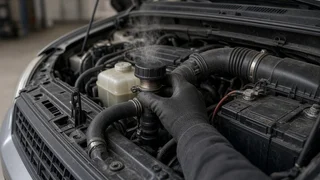
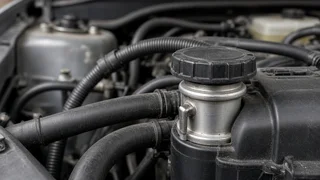
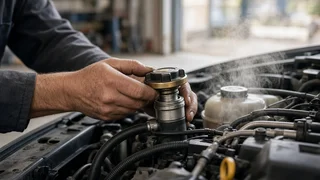
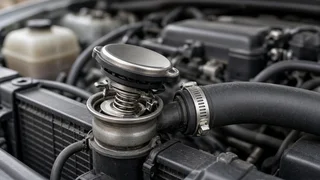
Radiator cap with pressure release lever
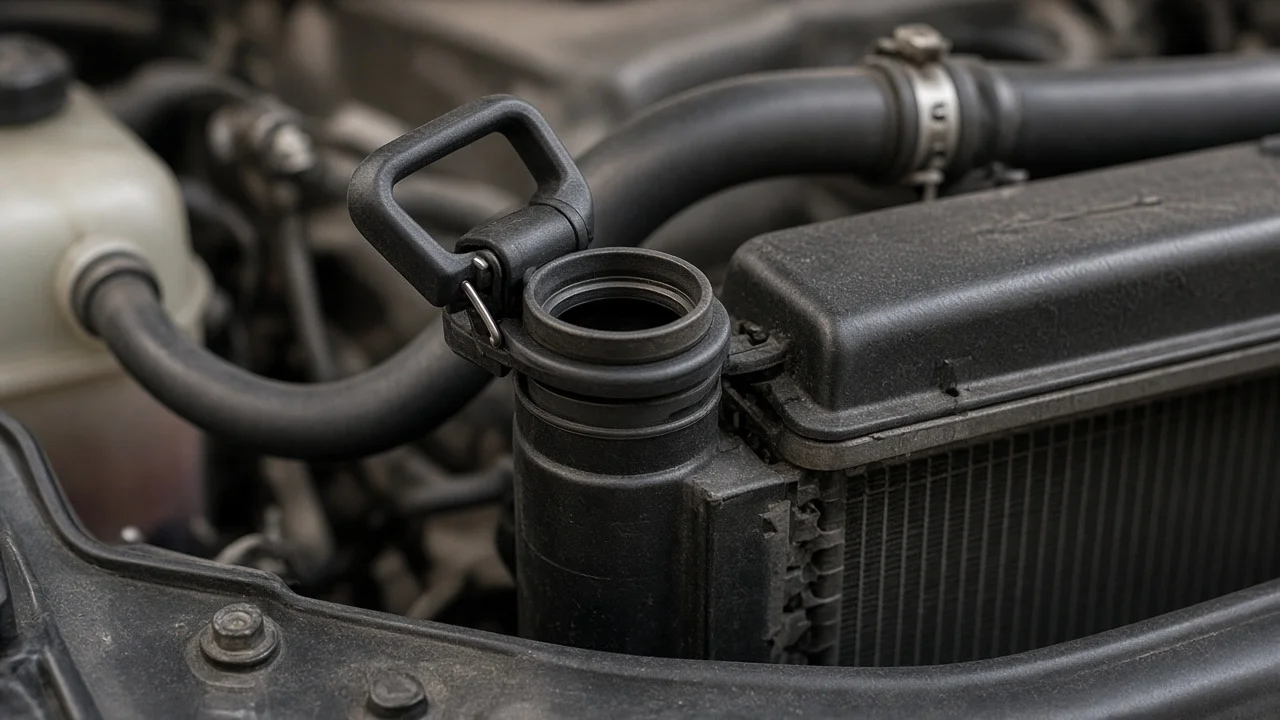
Choosing a radiator cap with a pressure release lever is about controlling how safely you can vent a hot cooling system. The lever lets you bleed pressure before removing the cap, reducing the risk of a sudden coolant eruption. This matters when you need to inspect the radiator, check the coolant concentration, or burp air pockets from the cooling circuit. A pressure relief radiator cap must still hold the system’s rated pressure during normal operation, so the lever is a service feature rather than a substitute for the correct pressure cap rating.
The direct answer
A pressure release radiator cap is worth choosing when you want a controlled way to lower system pressure before opening the radiator. The lever lifts a small valve, allowing pressurized steam or coolant vapor to escape into the overflow reservoir instead of blasting outward at your hand. This is especially useful after the engine has been running, because the radiator and upper hose can hold enough heat energy to spray coolant violently if a standard cap is twisted off too quickly.
The cap still has to match the pressure rating specified for your vehicle. The lever does not change the normal opening point of the main pressure valve, so a cap rated too low can allow boiling at a lower temperature, while a cap rated too high can stress the radiator, heater core, or hose connections. Before buying, confirm the cap’s pressure rating and neck style, then use the lever only when the system is still fully sealed and the vehicle is on level ground.