How to release radiator cap pressure safely
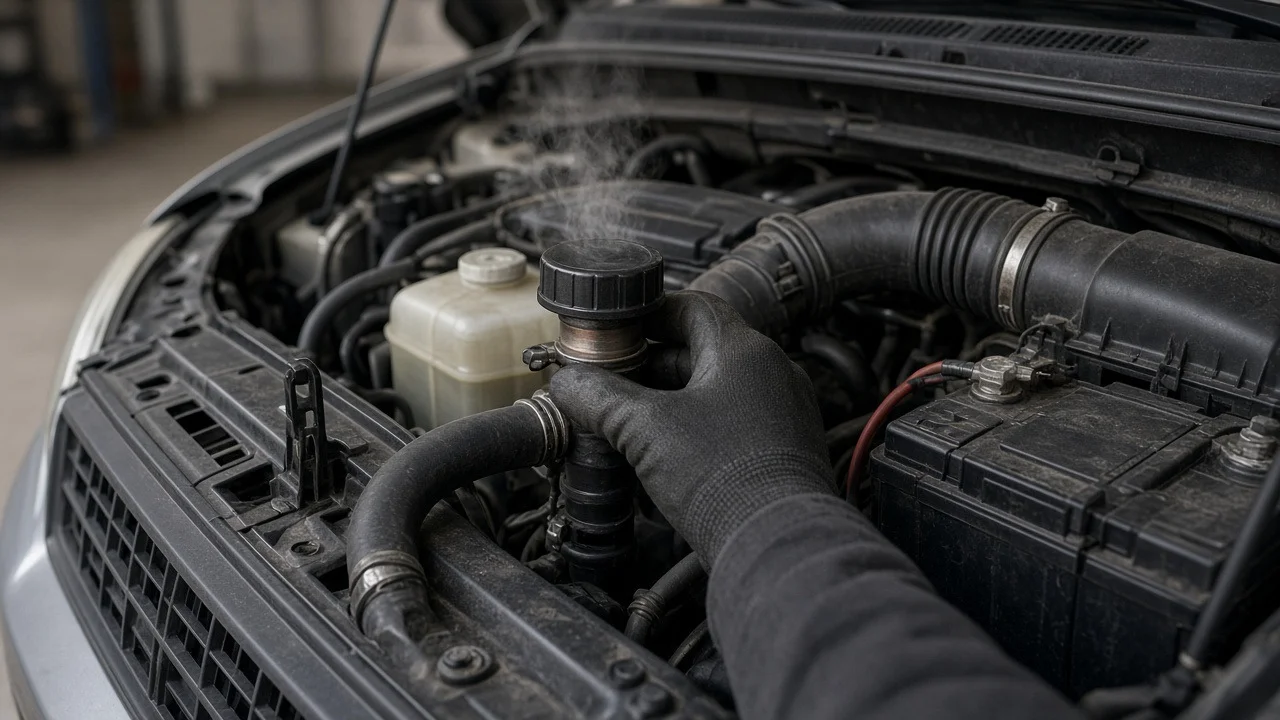
A hot cooling system stores thermal energy and pressure, so opening the radiator cap at the wrong moment can release a sudden spray of coolant and steam. Radiator cap pressure release is a controlled way to reduce that stored force before removing the cap or checking the coolant level. The goal is to let pressure bleed from the cooling circuit gradually while keeping your hands and face away from the expansion path. Safe technique matters most after the engine has reached operating temperature, because the pressure cap is designed to raise the boiling point, not to indicate when the system is safe to touch.
Direct answer
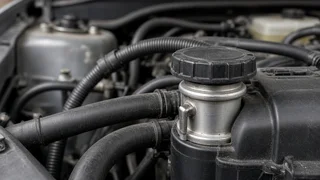
Release radiator cap pressure slowly and only when the engine has cooled enough that the upper radiator hose feels warm rather than painfully hot. Wrap a thick cloth over the cap, press down firmly, and turn it only to the first safety stop. This allows pressurized vapor to hiss into the overflow path while the cap remains partially latched. Wait until the hissing stops completely, then apply steady downward force and rotate the rest of the way.
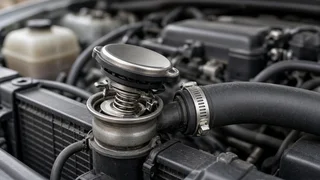
The cap is part of the pressure control for the entire cooling circuit. As the engine warms, expanding coolant raises system pressure, which increases the boiling point above the normal 212 degrees Fahrenheit for plain water. Removing the cap without first allowing radiator cap pressure release can let superheated liquid flash into steam. A firm grip, a slow turn, and enough pause time are more important than speed.
How to proceed
Park on a level surface and allow the engine to cool with the hood open. Check the upper radiator hose by squeezing it lightly with a gloved hand. If it feels swollen and too hot to hold comfortably, continue waiting. Move the heater control to full hot only if you are not opening the cap yet; once the cap is off, the system is open and the heater setting will not lower pressure. Keep your face away from the cap and radiator neck throughout the process.
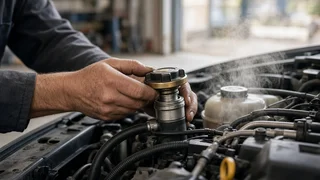
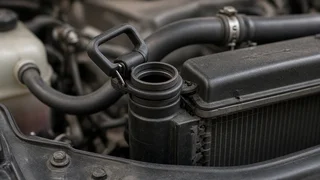
Place a heavy folded towel over the cap and press downward while turning counterclockwise to the first detent. Stop there and listen for escaping pressure or coolant moving through the overflow. Do not force past that stop while hissing continues. When the sound stops, press down again and turn the cap the rest of the way. Lift it with the towel still shielding the opening. If you see steam or bubbling after the cap is off, step back and give the system more time before adding coolant or inspecting the radiator.