Radiator Cap Pressure: Does It Release Pressure and Does It Matter
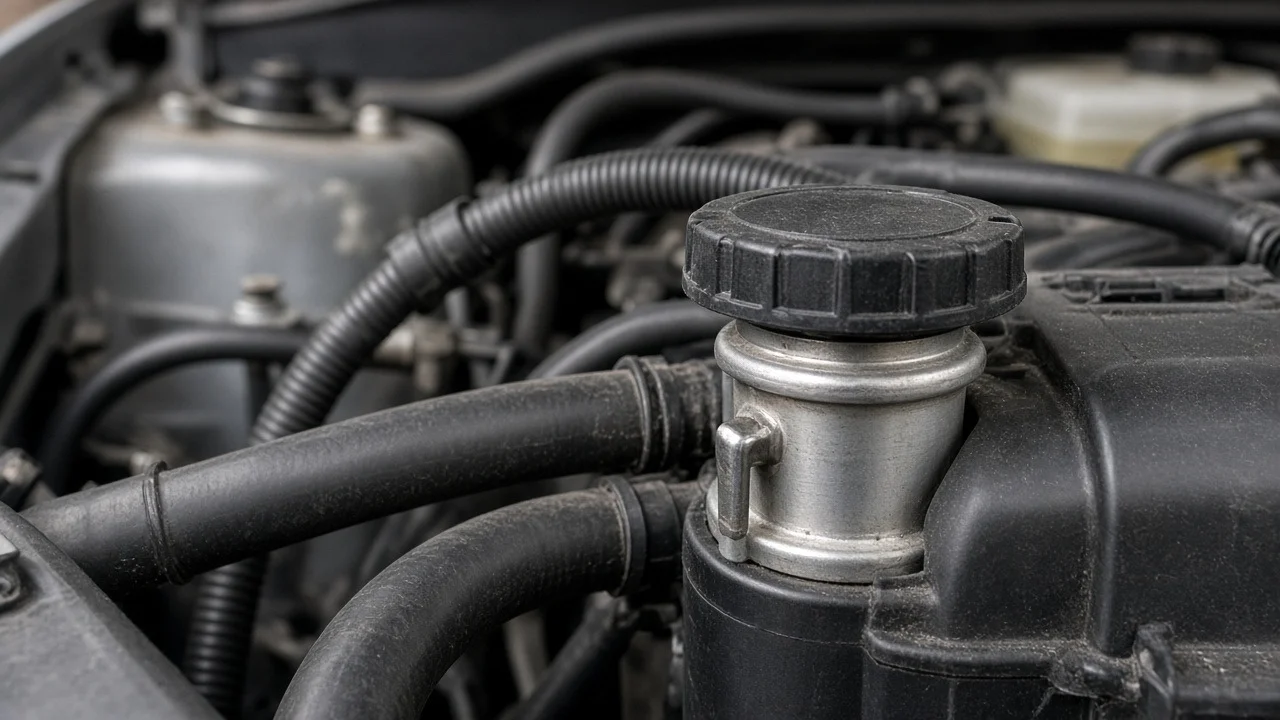
A cooling system looks sealed, yet it must safely handle rising heat and expanding coolant. The radiator cap sits at the center of this balance, doing more than closing the filler neck. Drivers often ask whether it releases pressure and whether the pressure rating matters. The short answer is yes: the cap is a calibrated valve that vents excess pressure and draws coolant back as the engine cools. Its rating shapes boil-over protection, hose stress, and how the cooling circuit behaves in traffic or on a hot climb.
Essential answer
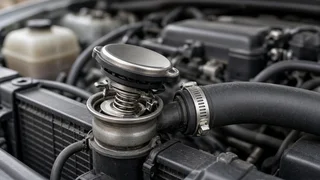
Yes, a radiator cap is designed to release pressure. It is not a simple plug. Inside the cap, a spring-loaded valve holds the system closed until pressure reaches the cap’s rated point, then it lifts to vent excess pressure into the overflow reservoir. Once the engine cools, a second valve opens so contracting coolant can be pulled back from the tank. This cycle prevents the cooling circuit from becoming a rigid pressure vessel while keeping air pockets out of the radiator and cylinder head.
The pressure rating does matter because it determines the coolant’s boiling point. Pressurizing the system raises the temperature at which the liquid boils, giving a margin above normal thermostat opening. Too low a rating can allow boil-over on hard drives; too high a rating may strain hoses, heater cores, and gaskets. The cap must also seal correctly against the filler neck. A weak seal can mimic a failing cap by releasing pressure below the intended threshold and allowing coolant loss.