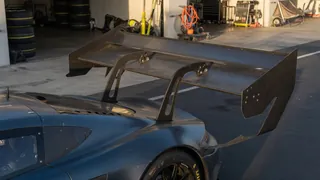
Race car rear wing for sale
Shopping for a race car rear wing for sale means balancing aerodynamic intent against the realities of vehicle condition, class rules, and mounting provisions. A wing is not a universal accessory; its chord, span, endplate design, and attack angle change how downforce arrives and how much drag the car carries. Buyers should examine the ownership documents, service records, and inspection findings that accompany a used component, because stress cracks or repaired mounting feet can quietly limit service life. The purchase agreement should describe the mounting points and any signs of previous contact rather than leaving condition open to interpretation.
The direct answer
The most useful starting point is to treat every advertised wing as a used aerodynamic part requiring close structural review, unless the listing clearly supports new, undamaged condition. Even a visually clean wing can hide fatigue around rivet lines, bolt holes, or the underside of carbon or aluminum skins. Request photos that show the full underside, the leading edge, and each mounting foot, then ask whether the wing has been repaired, repainted, or involved in contact.
A suitable wing must also match the car’s market specification and intended competition class. A wide high-downforce element may be illegal in a production-based series or may overwork a factory trunk lid if the mounting area is not reinforced. Confirm that the chord and span fit the body width, that pedestal spacing lines up with existing or planned reinforcement, and that the angle-adjustment hardware moves freely. Without those checks, a low price can disappear into repair and fitment work.