Pop a Lock Kit: What It Is and What to Check Before Buying One
The short answer
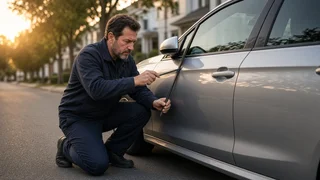
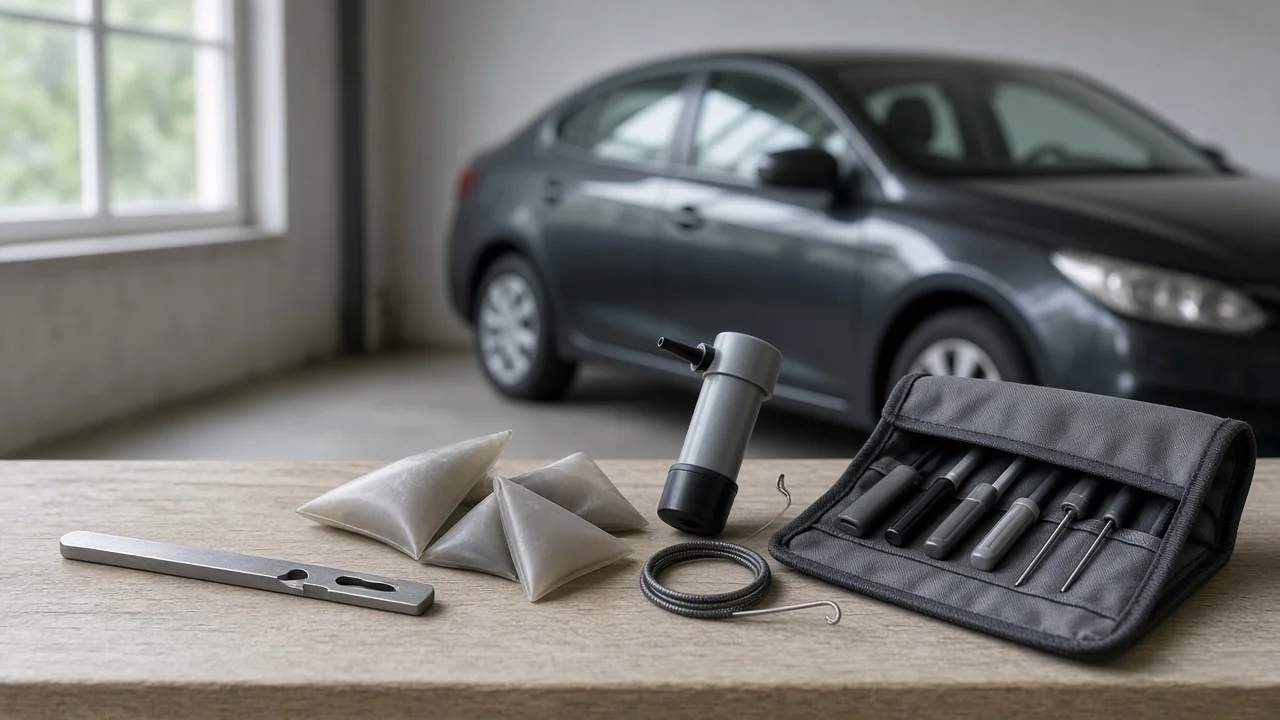
A "pop a lock kit" usually means a car lockout kit: a small set of tools for getting back into your own vehicle after locking the keys inside. A typical kit includes an inflatable air wedge, one or more plastic wedges, and a long-reach rod. Together they create a narrow gap at the door frame so the rod can reach an interior lock button, handle or unlock switch. A kit can be a reasonable backup for an older or simpler vehicle. For many newer vehicles, roadside assistance, the manufacturer's remote unlock service, or a professional locksmith is often the safer first choice. The main factors are door and window design, the alarm system, and how easily the paint, seals or trim can be damaged.
The phrase is also used for Pop-A-Lock, a locksmith and roadside service brand in the US. If you need someone to come and open your car rather than a toolkit to buy, a professional lockout service is what you are looking for.
What a lockout kit normally contains
Air wedge: a flat, inflatable bladder with a hand pump. It slips between the door and the body and inflates gradually to open a small gap. Non-marring wedges: plastic or coated wedges that hold the gap open or start it. "Non-marring" means the tool is designed not to scratch or dent the surface it touches. Long-reach tool: a rigid or semi-rigid rod, sometimes in sections, used to press a lock button or pull a handle from outside. Accessories in some kits: protective sleeves, interchangeable tips for different buttons and handles, and a storage case.
When a kit may not suit your vehicle
How well a kit works, and what it risks, depends on the specific model year, trim and door design. Check these points against your owner's manual or dealer information before relying on a kit:
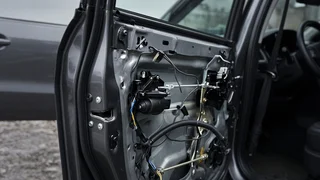
Frameless windows: some coupes and convertibles have glass with no surrounding frame, which can make wedging the door riskier for the glass and seals. Deadlocks or double-locking: some vehicles have a mode where the interior handle and lock button do nothing once the car is locked from outside. A reach tool may not help in that case. Alarm and immobilizer behavior: opening a door without the key may set off the alarm. This is normally harmless to the vehicle but worth expecting. Side-curtain airbags and wiring: door frames and pillars can contain airbag components and wiring that should not be pried against. Paint, weatherstripping and trim: too much force or a hard-edged wedge can chip paint, tear door seals or bend the door frame slightly, which may cause wind noise or leaks. Electronic door handles and buttons: some newer interiors have flush or powered controls that a reach tool cannot easily press.
What to check when choosing a kit
Air wedge construction: look for a reinforced bladder and a pump that inflates and releases air in a controlled way, so the gap can be widened gradually. Wedge material: soft or coated wedges are less likely to mark paint than bare hard plastic. Reach-tool length and stiffness: the tool needs to reach the interior control on your vehicle without bending too much. A larger cabin generally needs more reach. Tip options: interchangeable or coated tips help with different lock buttons, handles and switches and lower the risk of scratching interior trim. Storage: a case keeps the parts together, but the kit is only useful if it is stored outside the car, for example at home or with a trusted person. Seller information: look for clear details on what is included and whether the seller lists vehicle types the kit is not suited to.
No verified prices, product specifications, test results or reviews were available for this article. Compare current listings yourself, and treat claims of universal fit with caution.
Ownership and legal considerations
Lockout kits are widely sold to consumers. However, rules on carrying tools that can open vehicles differ between states, and how the tools are used and carried can matter. If you plan to keep a kit in another vehicle or carry it regularly, check your state's rules. Only use a kit on a vehicle you own or are authorized to access.
Also check whether damage from attempting your own entry would be covered by your vehicle warranty or insurance. This information was not available here, so confirm it with your dealer or insurer before relying on a kit.
Alternatives worth considering first
Spare key or fob: keeping a spare with a trusted person or at home often solves a lockout without any tools. Manufacturer app or connected service: many newer vehicles can be unlocked remotely through the maker's app if the service is active on your vehicle. Roadside assistance: your insurer, an auto club, your credit card or your vehicle warranty may include lockout service. Professional locksmith: a locksmith or lockout service has experience with different door designs, which can lower the risk of damage on vehicles with frameless glass, deadlocks or complex trim.
Choosing your next step
If your vehicle has framed windows, a conventional interior lock button or handle, and no deadlocking mode, a well-made lockout kit with soft wedges and a controllable air wedge can be a practical backup. If your vehicle has frameless glass, double-locking, flush electronic handles, or a remote-unlock service you can already use, the lower-risk option is usually a spare key, the app, roadside assistance or a locksmith.