What Were Pop-Up Headlights?
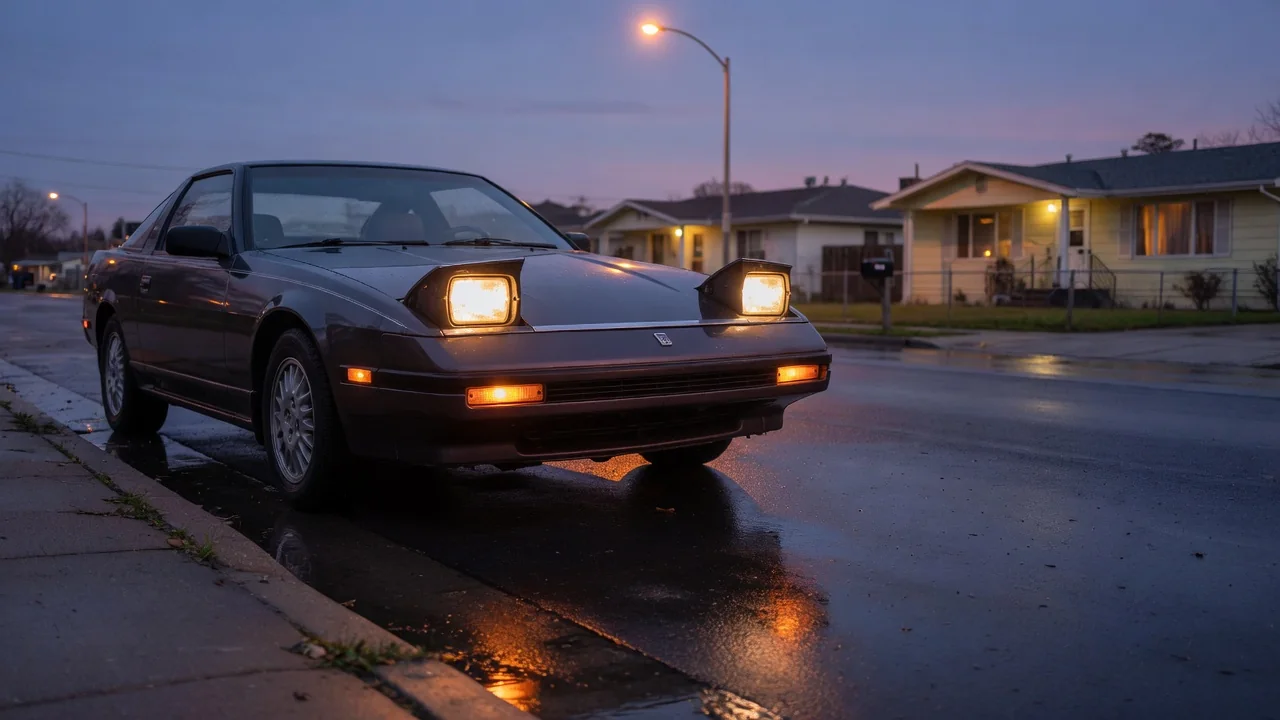
Pop-up headlights, also called hidden or retractable headlamps, were lamp assemblies that stayed tucked into the bodywork until the driver switched them on. For anyone asking what were pop up headlights, the short answer is a moving lighting system that combined a sleek daytime profile with a mechanical routine at dusk. This guide explains how they worked, why designers favored them, and what owners watch for today.
Opening mechanism
Most retractable systems placed each lamp in a hinged housing, sometimes called a bucket or pod, that pivoted up from the hood line or fender when the headlight switch was turned on. A small electric motor on each side, or a single motor driving a linkage shared between both lamps, rotated the assembly into position and held it there. When the lights were switched off, the motor reversed or completed its cycle, and the pod dropped back flush with the surrounding sheet metal.
Not every design used electricity for the motion. Some older vehicles relied on engine vacuum, with actuators and reservoir tanks pulling the covers open or closed through hoses and check valves. Other cars kept the lamps fixed and moved only a door or cover that slid or rotated out of the way. Many systems also included a manual knob or crank so the lamps could be raised if the powered mechanism stopped working, though its location and operation differ by manufacturer and model year.
Styling
The styling appeal came from the clean surface the lamps left behind. With the pods lowered, a designer could draw a low, wedge-shaped nose with an uninterrupted hood line, which suited sports cars and coupes from the nineteen sixties through the early two thousands. At the time, lighting rules in some markets required standardized sealed-beam lamps mounted at a minimum height, and hiding those units let stylists meet the rule without building a tall, blunt front end around them.
Raised lamps changed the car's character entirely, giving the front end an alert, almost animated look that enthusiasts still associate with the era. The shape of the pods varied widely: some rose as squared boxes, others rotated forward from a reclined position, and a few rolled over lengthwise. Paint-matched covers meant panel gaps and alignment were part of the visual design, so a lid sitting slightly high or crooked is easy to spot on an otherwise tidy car.
Service issues
Age is the main enemy of any moving lamp system. Electric designs can suffer from worn motor gears, tired bushings in the linkage, corroded connectors, and failing relays or switches, while vacuum designs tend to lose performance through cracked hoses, leaking actuators, or weak check valves. Typical symptoms include one lamp rising slower than the other, a pod that stops partway, lamps that drift open while parked, or a headlight that stays down while its bulb still illuminates inside the housing.
Diagnosis works best when the motion problem and the lighting problem are treated separately. A lamp that will not raise may have a healthy bulb and circuit, and a dark lamp may sit in a perfectly working pod. Because wiring layouts, fuse assignments, and control modules differ between vehicles, the factory service information for the specific car should guide testing. The mechanism can move with real force and without warning, so hands and tools belong clear of the linkage unless the system has been made safe as that manual describes.
Everyday Use and Observations
In daily driving, owners noticed the system most at dusk, when the pods rose with a faint whir and sometimes a soft thump at the end of travel. Many cars could flash the high beams for signaling, which meant either waiting for the lamps to rise or using separate lamps mounted lower in the bumper, depending on the design. Raised pods also sat directly in the airflow, so some drivers reported a little more wind noise at highway speed with the lights on.
Winter exposed another quirk. Ice or packed snow along the cover seams could hold a lamp shut or strain the motor as it tried to break free, so careful owners cleared the nose before switching the lights on. Washing and waxing required attention too, since water collects in the lamp wells and the drain paths can clog with leaves. A quick check worth making on any example is whether both lamps rise and settle together and whether the closed covers sit level with the hood.
Limits and Next Steps
Pop-up lamps faded from new cars for several overlapping reasons. Lighting regulations relaxed to allow shaped, aerodynamic composite lamps, so a low nose no longer required hiding the lights. Pedestrian protection standards in several markets discouraged hard, protruding shapes on the front of a vehicle, and the motors, linkages, and wiring added weight, cost, and complexity. Raised lamps also disturbed the smooth airflow that the lowered position was meant to deliver, which undercut the efficiency argument at night.
For anyone owning or shopping for a car with retractable headlamps, the practical next step is a patient inspection rather than assumptions. Watching several open and close cycles, listening for grinding or clicking, and comparing the two sides reveals a lot about condition. Parts availability, rebuild options, and aftermarket support vary considerably by model, so confirming what is obtainable before buying is sensible. A specialist familiar with the particular vehicle can verify whether a sluggish lamp reflects a minor adjustment or deeper wear.