Polestar "Coolant System Service Required": What the Warning Means and What to Do
The Short Answer
When a Polestar shows a message saying the coolant system needs service, the car has detected a problem in one of the liquid cooling circuits that manage the temperature of the high-voltage battery, the electric drive components and, depending on the model, parts of the cabin heating system. The cause can be as simple as a low fluid level or as involved as a failing pump, valve, sensor or leak. The message is a request to have the system inspected, not routine maintenance you can clear by yourself, and it should be handled soon rather than ignored.
The exact wording, any warning that appears with it, and how the car behaves afterward vary by model, model year, software version and market. A Polestar 2 is not configured the same way as a Polestar 3 or Polestar 4, and early cars may differ from later ones in hardware such as whether a heat pump is fitted. Treat the guidance below as general principles, and rely on the message text on your own screen and your owner's manual for specifics.
Why an Electric Car Needs Coolant
A Polestar has no engine with a radiator in the traditional sense, but it still depends heavily on liquid cooling. Lithium-ion batteries work best and age most slowly within a fairly narrow temperature range. During fast charging or hard driving they generate heat that must be carried away, and in cold weather they may need warming to accept charge efficiently. A coolant mixture circulated by electric pumps does this work.
The same approach is generally used for the power electronics, such as the inverter that converts battery current for the motors, the onboard charger, and the electric motors themselves. In many modern EVs these circuits are linked through valves and heat exchangers to the climate system, so waste heat can be moved to warm the cabin or the battery, and the air conditioning refrigerant circuit can be used to chill the coolant. That is why a coolant fault can sometimes show up alongside reduced heating, slower charging or limited performance.
What Can Trigger the Message
The car's control modules monitor fluid levels, temperatures, pressures and pump operation. A service message can appear when any of these falls outside expected values. Common categories of causes in EV thermal systems include:
Low coolant level in an expansion reservoir, from a slow leak, seepage at a hose connection, or air left in the system after earlier work; An electric coolant pump that has stopped, is running weakly or is reporting an internal fault; A sticking or failed control valve that routes coolant between circuits; A faulty temperature or level sensor, or a wiring and connector problem, giving a false reading; A software fault or calibration issue that misreads normal conditions, sometimes addressed by a software update; Temperatures that rise beyond what the system can handle, which may point to restricted flow or a component that is not shedding heat properly
The message itself usually does not tell you which of these is responsible. A technician reads stored fault codes with diagnostic equipment to narrow it down.
How It Differs From Related Warnings
Polestar models can display several messages that sound similar but point to different problems. The distinction matters because it changes how urgent the situation is and who should fix it.
Message type | What it generally indicates | Typical urgency; Coolant level low | The fluid in a reservoir has dropped below the minimum mark | Check soon; a leak is likely if it keeps dropping; Coolant system service required | A fault in the cooling system has been detected, which may or may not involve fluid level | Book an inspection promptly; Reduced performance or propulsion limited | The car is protecting the battery or drive components, sometimes because cooling is inadequate | Drive gently and seek service; stop if advised; Climate or air conditioning fault | A problem in the refrigerant or cabin climate system | Comfort issue in many cases, but can affect battery cooling in linked systems; Washer fluid low | The windshield washer reservoir needs topping up | Routine; owner can refill
Can You Keep Driving?
It depends on what else the car is telling you. If the coolant service message appears on its own, the car drives normally and no temperature, power reduction or stop-safely warning accompanies it, many owners can reasonably drive to a service point or home while arranging an appointment. Avoiding fast charging, towing, sustained high speeds and hard acceleration in the meantime reduces the heat load on the system.
If the message comes with a warning to stop, a notice that power is being limited, a high-temperature alert, unusual smells, visible steam or fluid pooling under the car, pull over when it is safe and contact roadside assistance rather than continuing. Running a high-voltage battery or inverter without adequate cooling risks damage that is far more expensive than the original fault, and the car may reduce power on its own to protect itself.
What Owners Can Safely Check
Most of the cooling system in an EV sits close to high-voltage components and is not designed for owner repair. A few basic observations are reasonable, though, and can help when you describe the problem to a service advisor.
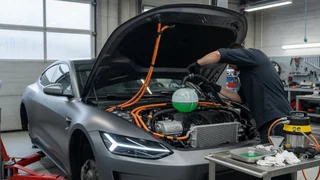
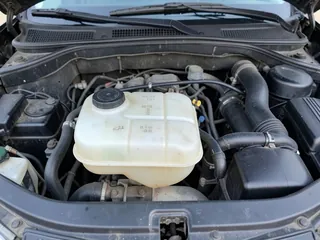
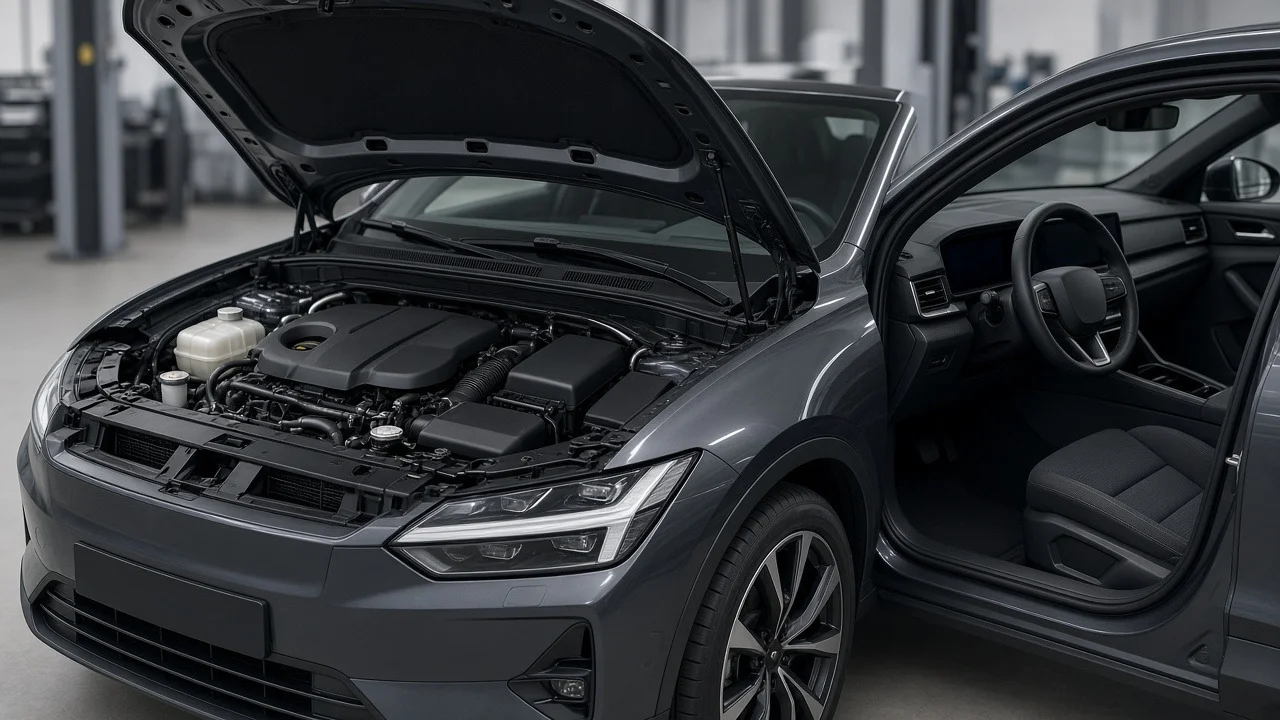
Note the exact wording of the message, when it first appeared, and whether any other warnings showed at the same time; Look under the car where it has been parked for drips or puddles, and note their color and location; With the car switched off and fully cooled, open the front storage area or service cover as described in the owner's manual and see whether a coolant reservoir level is visible against its minimum and maximum marks; Check whether cabin heating, charging speed or driving performance has changed; Check the Polestar app or the car's software screen for pending updates
Never open a coolant reservoir cap while the system is warm, because pressurized hot fluid can spray out. Do not top up with generic coolant or plain water unless the owner's manual explicitly allows it as an emergency measure. EV thermal systems typically require a specific coolant type, and some circuits use low-conductivity fluids chosen for their contact with electrical components. Mixing the wrong fluid can cause corrosion or other damage, and adding fluid may hide a leak without fixing it.
What Happens at Service
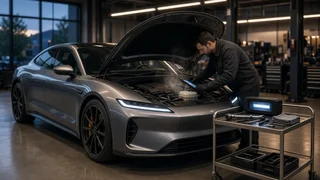
A technician will usually start by reading fault codes and live data such as coolant temperatures, pump speed commands and valve positions. From there the work may involve pressure testing the circuits to find leaks, checking pumps and valves for correct operation, inspecting wiring and connectors, and, if the system has been opened or drained, refilling and bleeding air from it using a procedure that often requires the diagnostic tool to cycle pumps and valves. A software update may be applied if the fault is linked to a known calibration issue.
In the US, Polestar service is arranged through the company's authorized service network, and many service points are located at Volvo facilities given the brands' shared engineering. Booking is commonly done through the Polestar app or by contacting Polestar customer support, and mobile service may be offered for some jobs depending on location. Because coolant system components on a relatively new EV are often still covered by the factory or battery warranty, ask whether the repair qualifies before agreeing to paid work, and check whether any open recalls or service campaigns apply to your vehicle identification number.
Is This a Sign of a Bigger Problem?
Not necessarily. A cooling system message on an EV is a protective alert, and many causes, such as a loose connection, a sensor fault or a small loss of fluid, are minor to repair. The bigger risk lies in ignoring it. A slow leak or weak pump that goes unaddressed can lead to overheating of the battery or drive electronics, which may trigger reduced power, interrupted charging or component damage. Acting on the message early keeps a likely modest repair from growing into a costly one.
Key Takeaways
The message means the car has detected a fault in the liquid cooling that protects the battery, drive electronics and, on some models, cabin heating; It is not the same as a simple low washer fluid or routine maintenance reminder and should be inspected by authorized service; If no other warnings appear and the car drives normally, gentle driving to arrange service is generally reasonable; stop if the car warns of overheating or limits power; Owners can look for leaks and note symptoms, but should not open a hot reservoir or add unapproved coolant; Check warranty coverage, recalls and software updates before paying for repairs