Peterbilt differential oil capacity
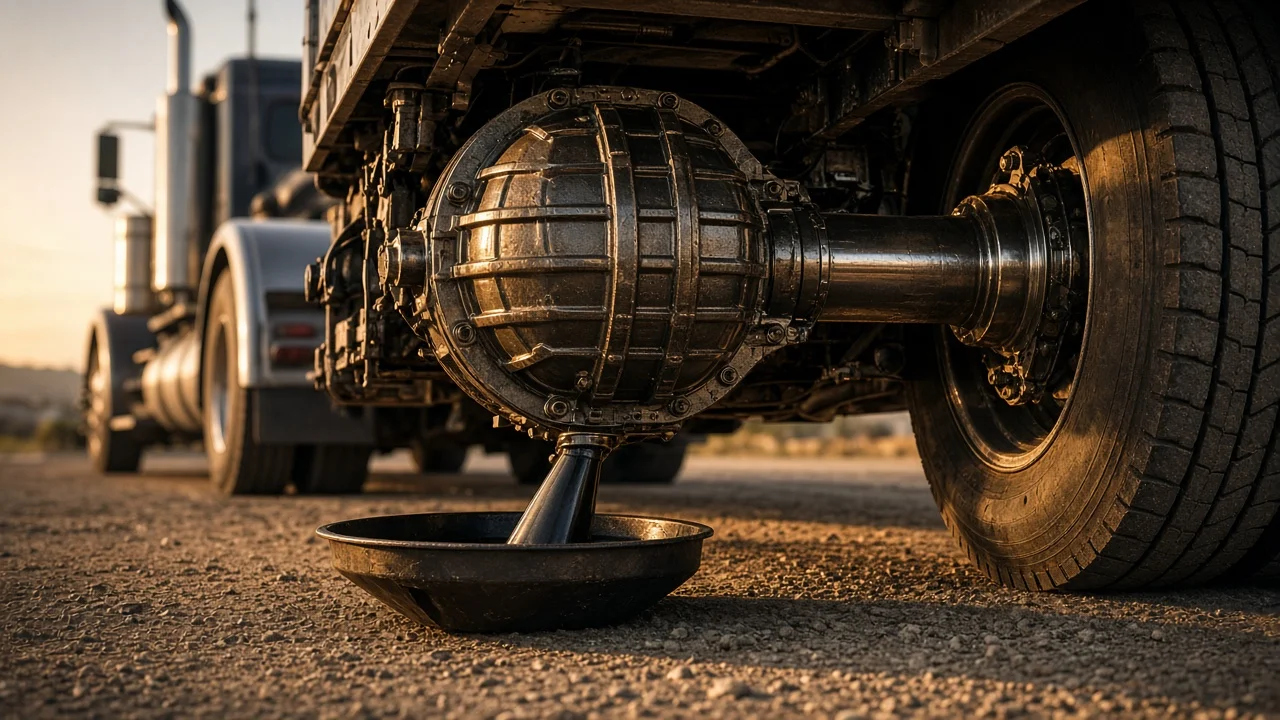
Peterbilt differential oil capacity is not a single number that applies across every truck, because the lubricant volume depends on the axle model, housing design, and whether the carrier uses a standard or extended cover. When owners ask about a fill quantity, the real question is often whether the rear axle has the correct lubricant level for the gear set and bearing load. The useful approach is to identify the specific differential assembly first, then compare the axle’s fill specification and level-check method before adding oil. That prevents an overfill that can push lubricant past seals or an underfill that leaves the ring and pinion without the film strength they need.
Essential answer
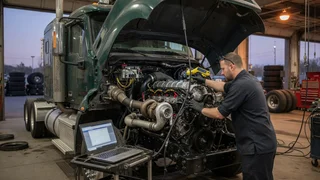
Peterbilt differential oil capacity is an axle-specific measurement, not a universal specification tied to the truck badge. The same Peterbilt model can leave the factory with different rear axle assemblies, and each axle maker establishes a fill quantity based on carrier volume, gear size, and heat rejection needs. A fluid capacity intended for one housing may be incorrect for another even when the trucks share an engine. Because Peterbilt sources axles from suppliers such as Meritor and Dana, the reliable direct answer begins with the axle identification tag or the build data for the vehicle rather than a generic table.
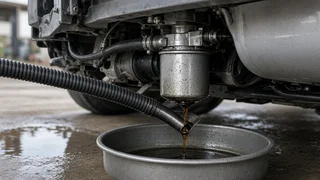
The practical distinction is between dry fill quantity and service refill level. A dry axle takes a measured amount after overhaul, while a routine level check typically uses the fill plug as the reference. On many differentials, lubricant should reach the bottom of the fill hole with the truck on level ground, allowing the gear teeth to dip and carry oil through the housing. The level-check method matters because thermal expansion changes the apparent level, and a small variation in chassis ride height can make the fill plug read differently. Confirming the axle model therefore matters more than memorizing one advertised capacity.