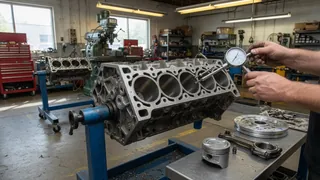
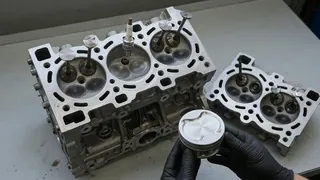
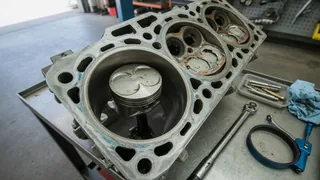
Oil in Cylinder 2
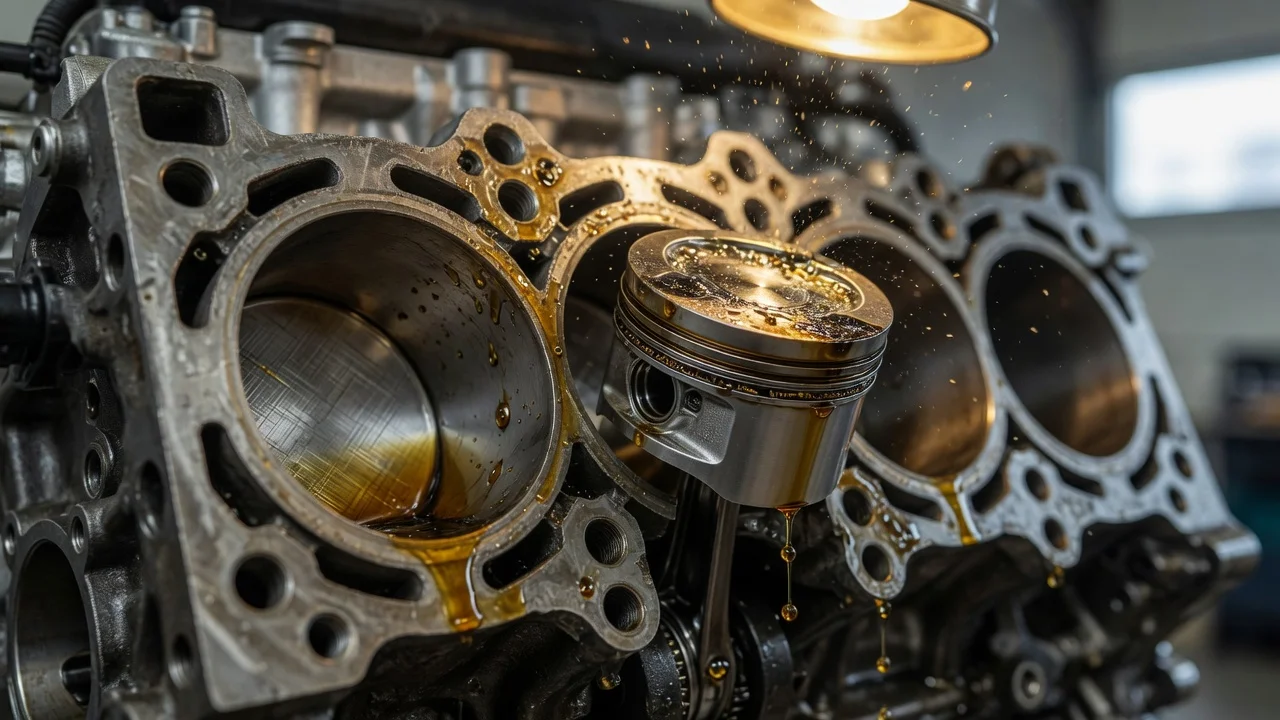
What oil in cylinder 2 means
Finding oil in cylinder 2 means engine oil has entered the combustion chamber of that cylinder. The oil may coat the spark plug, sit on the piston crown, wet the cylinder wall, or show up as blue-gray smoke or misfire isolated to cylinder 2. The finding is cylinder-specific: something about that bore, its valves, its seals, or the path that feeds it is allowing oil past a boundary that should keep oil in the crankcase, valvetrain, or turbocharger and out of the burn.
The essential next step is to treat the wet cylinder as a diagnostic clue, not a complete diagnosis. How the oil was found, whether other cylinders are dry, and the engine family (naturally aspirated or turbocharged, port or direct injection, overhead cam with tube-sealed plugs, and so on) all change which leak path is plausible. No single vehicle, model year, or measured compression, leak-down, or oil-consumption figure is supplied here, so the causes below are the usual mechanical routes, not a confirmed fault on a particular engine.
How the oil is usually discovered
Technicians and owners most often see oil in cylinder 2 after removing spark plug 2 and finding a wet, black, or glazed insulator and electrode; after a borescope look through the plug or injector hole shows oil on the piston; during a compression or cylinder leak-down test when oil is present in the bore; or after a misfire, rough idle, or fouled-plug code points at cylinder 2. On some engines the same cylinder can also wash the bore enough to lower compression until the oil is cleaned off, which can make a one-cylinder misfire look like a mechanical failure until the oil source is identified.
Why the problem can stay on one cylinder
Oil consumption that is spread across the whole engine (worn rings on every piston, a failing PCV system pulling oil into the intake, or a turbocharger dumping oil into a shared intake tract) tends to wet more than one chamber. Oil limited to cylinder 2 points toward a local seal or a feed that only that cylinder sees. Valve stem seals and guides on the intake or exhaust valve serving cylinder 2, piston rings or a scored wall in that bore, a spark-plug-tube or valve-cover gasket leak that drips into the plug well and then into the chamber on engines with tube-sealed plugs, a direct-injector seal unique to that cylinder, or an oil-control ring or drain that is stuck only on piston 2 are the usual local paths.
Cylinder numbering is not the same on every engine. Bank, firing order, and whether cylinder 2 is the second from the timing end, the second on a bank, or the cylinder the scan tool labels as 2 all matter when you match a wet plug to a physical location. Confirm the maker’s numbering before you condemn a specific valve cover, coil, or injector.
Likely sources when cylinder 2 is wet
Valve stem seals or worn valve guides on cylinder 2, especially if oil pools on the intake valve or the plug looks oily after a long soak or overnight sit. Piston rings, a glazed or scored cylinder wall, or a stuck oil-control ring on piston 2, more likely if the wall is wet below the ring pack or leak-down is high past the rings. Spark-plug-tube seal or valve-cover gasket leak into the plug well, then down the threads into the chamber, common on many overhead-cam engines with coils over the plugs. Direct-injector or glow-plug seal (diesel) leaking oil or fuel-diluted oil into that chamber only. Turbocharger or PCV oil in the intake if cylinder 2 sits at a low point or is the first runner to collect oil; this path is less cylinder-pure and often leaves film in the intake as well. Head-gasket or cracked-head oil passage into that bore, less common than the seal and ring paths but possible if oil and coolant symptoms appear together or if a pressure test of the cooling system is failed.
What changes the answer
A wet plug after a short trip, with dry plugs on the other cylinders, leans toward a seal that leaks under soak (valve stem seal) or a drip into the plug well. Oil with heavy carbon on the piston and rising oil consumption over many miles leans toward rings or a wall problem in that bore. Blue smoke at startup that then clears leans toward valve seals; smoke under load leans toward rings or turbo oil. A misfire that returns after the plug is cleaned, plus oil in the plug well, leans toward the tube seal. Diesel and gasoline engines, and engines with cylinder deactivation on cylinder 2, add extra paths (injector seals, collapsed lifters, oil in a deactivated chamber) that only apply if that hardware is present.
Trim, market, and generation matter because plug-tube design, PCV routing, turbocharger fitment, and whether cylinder 2 is on the bank nearest the turbo or the catalytic converter are all model-specific. A claim that “cylinder 2 always means valve seals” is not supported without those details.
Checks that turn the clue into a diagnosis
Compare every plug or every piston crown, not only cylinder 2, so you know whether the oil is isolated. Inspect the plug well for standing oil before you assume the oil came through the valve or the rings. A borescope look at the valves, piston crown, and wall in cylinder 2 (and at least one dry cylinder for contrast) shows whether oil is entering from above (valve, injector, plug tube) or from the ring pack. Compression and cylinder leak-down on all cylinders, with the leak-down listener used at the intake, exhaust, and crankcase, separate ring leak from valve leak. If the engine is turbocharged, check the intake tract and intercooler for oil so a shared feed is not missed. Record oil level, oil type, and any fuel smell in the oil; fuel wash can mimic or worsen ring sealing on that cylinder.
Repair choice follows the failed seal. Tube-seal and valve-cover leaks are cover and seal jobs. Valve stem seals may be possible with the head on, depending on the engine. Ring or wall damage means the piston, rings, and bore in cylinder 2 have to be measured and, if out of specification, honed or the short block repaired. Those specifications are engine-specific and are not listed here.
Driving and damage risk
A small amount of oil on one plug can foul that cylinder, raise hydrocarbon emissions, and damage a catalytic converter if the misfire continues. A large amount can hydrolock the cylinder on cranking. If the engine cranks unevenly, if the oil level is falling quickly, or if there is a dead misfire on cylinder 2, stop using the engine until the oil is cleared from the chamber and the source is identified. Continued misfire on a fouled plug is a converter and ignition-coil risk as well as an oil-consumption problem.
What this guide cannot pin down
No vehicle identification, mileage, oil-consumption rate, compression or leak-down numbers, borescope images, or workshop findings were supplied. Without those, the wet cylinder can be ranked by likelihood of path (plug-tube and valve-stem seals for a soak leak; rings for a loaded, smoking engine; turbo or PCV if the intake is wet) but cannot be named as a confirmed part failure. Use the cylinder-2 finding to aim inspection at that bore and its seals, then let measured leak-down, a dry-versus-wet plug comparison, and a look at the plug well and intake decide the repair.