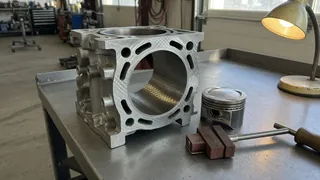
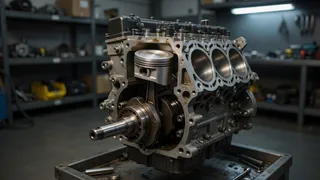
Oil in a cylinder or on the piston
Finding oil pooled in cylinder 3 or smeared across a piston crown usually points to a sealing or crankcase-control fault rather than a random spill. The oily residue can come from worn valve guides, a failing head gasket, a ring-sealing problem, or excessive crankcase pressure pushing lubricant past the intake path. Understanding where the film appears, how thick it is, and whether the engine misfires helps narrow the cause before disassembly. A single wet cylinder often behaves differently from a light coating on every piston head, so the pattern matters as much as the oil itself.
Essential answer
Oil in cylinder 3 typically appears as a wet film or small pool on the piston crown after the engine is turned over with the spark plug removed. It can indicate that lubricant is entering that combustion chamber through the intake valve guide, past the piston rings, or from a breach in the head gasket. The presence of oil on a piston head alone does not identify the failed component; it is a symptom that has to be matched with compression behavior, leak-down results, and where the residue is concentrated.
A light oil film on a piston head can be normal in a high-mileage engine that has short cold-start cycles, especially if the crankcase ventilation system is saturated. Thicker wetting or a puddle in one bore is more specific and often means a localized issue affecting cylinder 3. Confirm the oil level and condition first, then look for wetness on the spark plug threads and electrode. That comparison helps distinguish a slow leak from an active misfire caused by oil fouling.