Nissan Trailer Sway Control
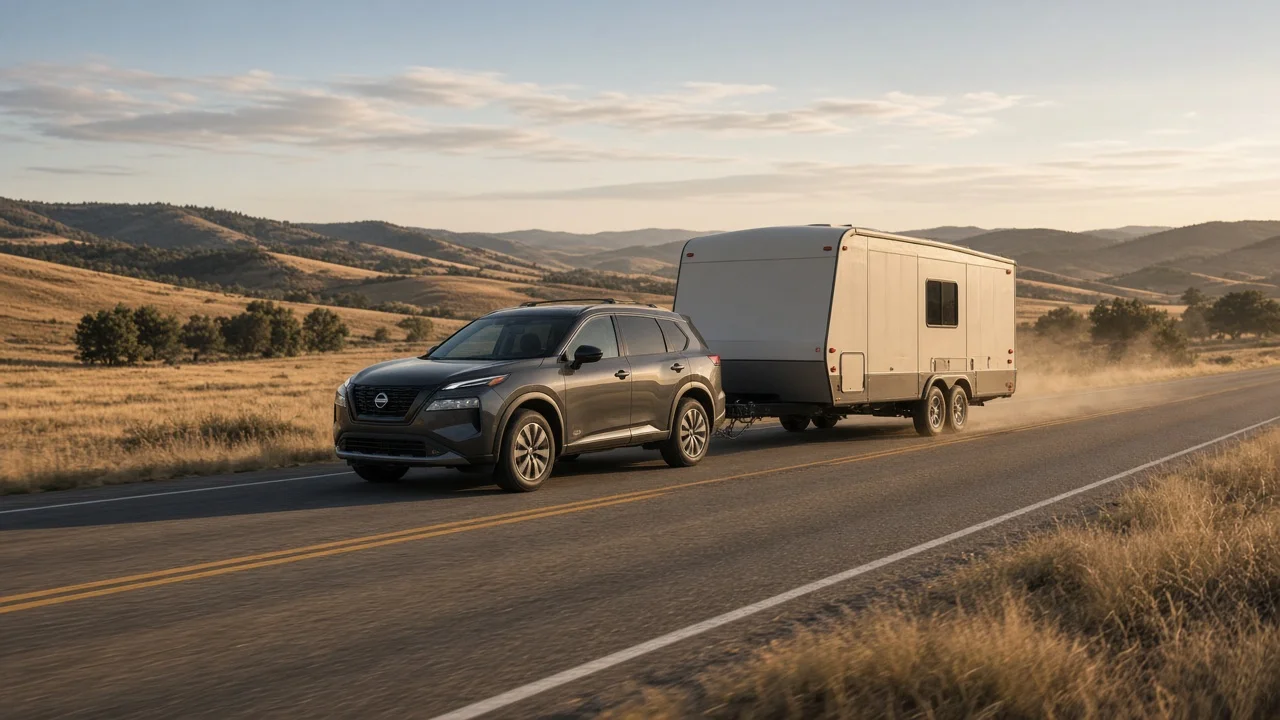
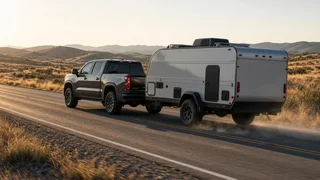
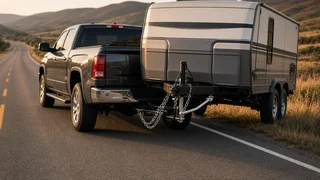
When a trailer begins to oscillate behind a tow vehicle, the event can feel sudden and dangerous. Nissan trailer sway control is an electronic stability feature designed to recognize and reduce that side-to-side motion on certain trucks, including the Nissan Titan. It works with the vehicle’s braking and stability systems rather than relying on a separate trailer device. Understanding how the system detects instability, when it intervenes, and what it cannot overcome helps a driver use it as part of a broader safe-towing setup involving payload, tongue weight, and proper weight distribution.
Essential answer
Nissan trailer sway control is a software-based assistance feature integrated into the vehicle stability control. When sensors detect a repeating yaw motion at the rear of the truck that matches trailer sway rather than normal cornering, the system can selectively apply brakes and reduce engine torque. The goal is to pull the combination back into line before the oscillation grows. On the Nissan Titan, the trailer sway logic typically works in the background when the truck recognizes that a trailer is connected, but manufacturer-dependent behavior should be confirmed for a specific model year, trim, and towing configuration.
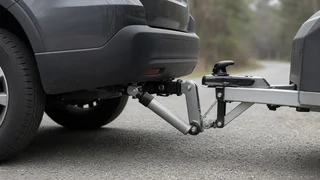
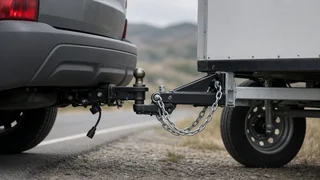
The feature is a countermeasure, not a substitute for correct trailer loading or compatible equipment. It reacts after unstable motion has begun, using existing anti-lock brake and stability-control hardware. A driver may feel brief braking pulses at individual wheels or a reduction in acceleration even without pressing the brake pedal. Because the correction depends on brake capacity, gross vehicle weight rating, combined weight rating, and axle rating, an overloaded or poorly balanced trailer can still overwhelm the intervention. Sway control improves the margin of safety but does not remove the physical limits of the truck, hitch, or trailer.