Nissan periodic maintenance service
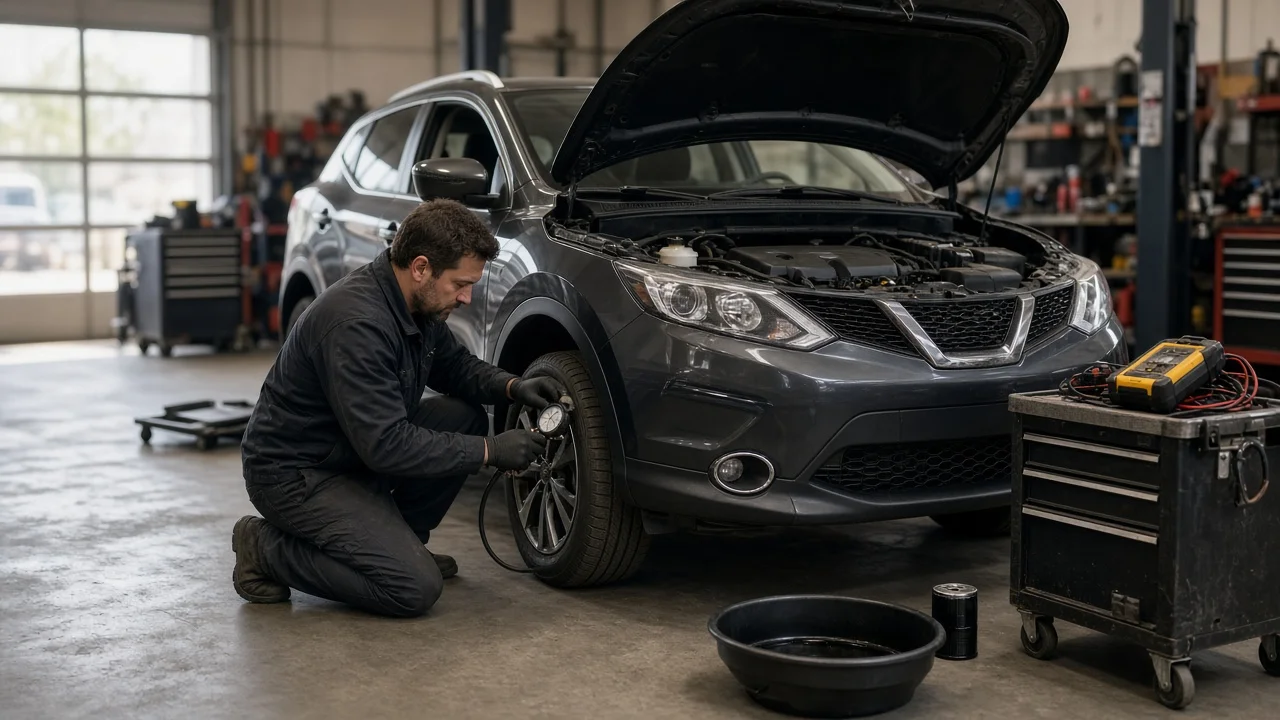
A periodic maintenance service Nissan program is a scheduled sequence of inspections, fluid changes, and parts replacements designed to keep a vehicle operating reliably as it accumulates time and mileage. For owners researching this process, the central question is how the service interval differs from ad hoc repairs. Scheduled service items are preventive rather than reactive, meaning they target wear that is expected under normal use before it produces a breakdown. Following a manufacturer schedule also helps preserve a consistent maintenance record, which can be useful for warranty administration and future ownership decisions. Understanding operating conditions helps clarify why some vehicles need more frequent attention than others.
Essential answer
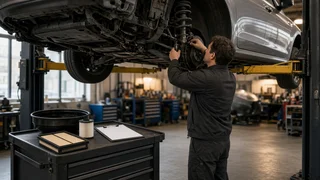
A periodic maintenance service Nissan plan is best understood as a calendar- and mileage-based program rather than a single inspection. The service interval commonly alternates between smaller visits focused on engine oil, filters, and visual checks, and larger visits that add coolant, brake fluid, transmission fluid, spark plugs, or drive belts. Each scheduled service item addresses wear that develops gradually, so the goal is to replace a component before its condition affects drivability, fuel economy, or safety. Because the manufacturer schedule is organized around time and mileage, whichever threshold arrives first typically determines when the next service is due.
The practical distinction is that periodic service does not wait for a warning light or an obvious symptom. Instead, operating conditions are used to estimate how quickly fluids degrade, filters load with debris, and rubber or friction materials age. A maintenance record showing consistent completion of these intervals also supports diagnosis later, because a technician can separate neglected upkeep from a sudden failure. Without that history, the same symptom may require a broader investigation. For a Nissan owner, the essential answer is therefore a preventive rhythm matched to the vehicle, its environment, and the way it is driven.