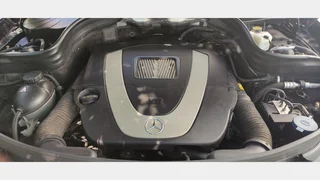
Nissan 3.5 V6 timing chain problems
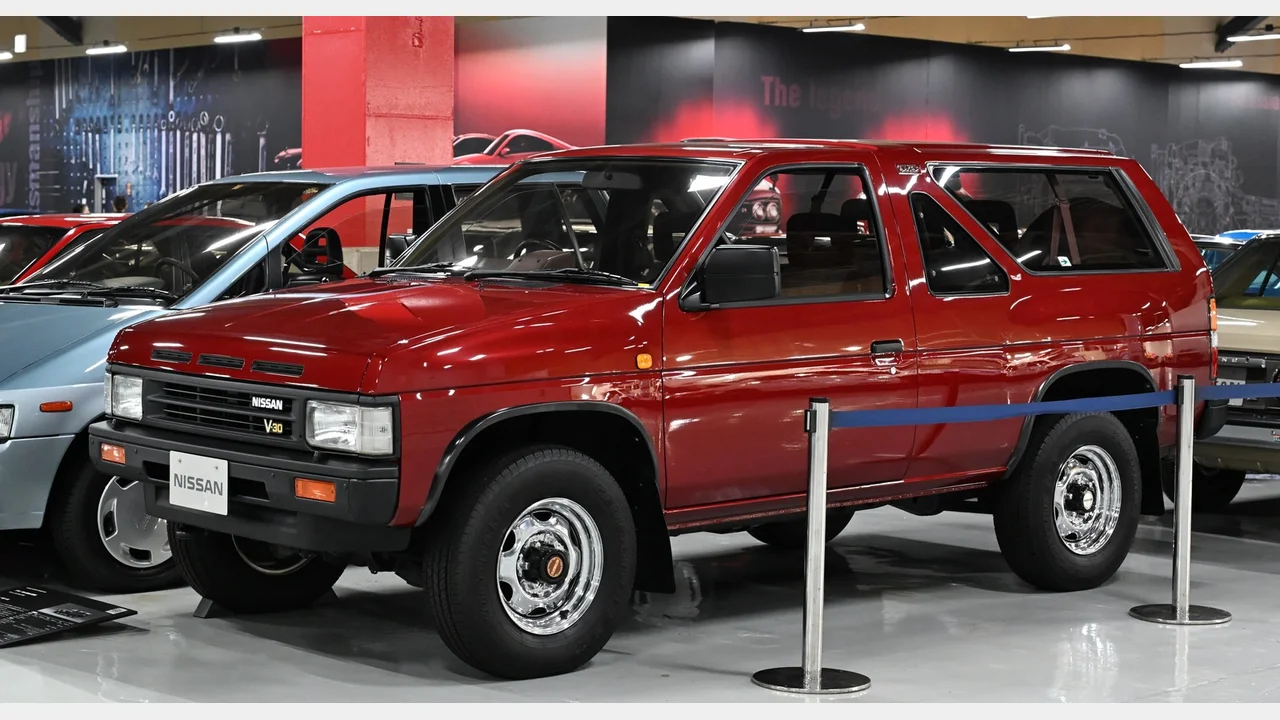
A timing chain is meant to last the life of the engine, but wear and lubrication issues can change that expectation. Owners researching the Nissan 3.5 engine timing chain problems often encounter reports of cold-start rattles, camshaft correlation codes, and guides that degrade with age. The concern covers several Nissan and Infiniti vehicles using this engine configuration. Service history, oil condition, and symptom conditions matter more than a universal defect label. Understanding why the chain system fails helps owners separate normal hydraulic tensioner noise from wear that deserves closer inspection.
Essential answer
The essential issue is that the timing chain and its guides can wear enough to alter valve timing or produce a distinctive metallic rattle. Chain stretch is usually a misnomer; wear at the pins and links increases effective length, while plastic guide faces can crack or shed material. When the chain no longer holds the camshafts in precise relation to the crankshaft, the engine may set diagnostic codes for camshaft position correlation. A brief rattle immediately after a cold start is a common early observation because oil pressure takes a moment to reach the tensioner.
The scope of the concern is not identical across every Nissan 3.5 V6 application. Differences in engine configuration, model year, oil maintenance, and accessory drive layout can change how quickly wear appears. A neglected oil change interval can accelerate guide wear and reduce tensioner response, while consistent service history with the correct oil viscosity tends to support longer chain life. No fault code or noise by itself proves that a chain assembly has failed, but the pattern deserves investigation before the condition progresses to poor running or a no-start event.
Diagnosing a problem
A rattle that occurs only for a second or two after a cold start often points to oil draining back from the hydraulic tensioner or a guide that has lost its smooth surface. The noise should be judged under the symptom conditions where it appears: cold versus hot, idle versus acceleration, and brief versus continuous. A mechanic may inspect by listening to the front timing cover area and comparing the noise with engine speed. Manufacturer specifications for diagnostic codes and inspection points can vary, so camshaft correlation faults are evidence to interpret rather than proof that a particular part has failed.
If the noise lasts after oil pressure builds or appears during warm idle, the likely causes shift toward deeper guide wear, a sluggish tensioner, or a worn chain that has exceeded its useful adjustment range. Diagnostic codes that repeat after clearing should prompt a focused inspection of the timing system rather than automatic parts replacement. Oil condition and maintenance records can support a judgment about whether internal wear is likely. In severe cases, continued operation with a clearly failed guide or tensioner can risk valve timing loss, so stopped use and professional diagnosis become appropriate when the noise is loud, consistent, or accompanied by drivability faults.