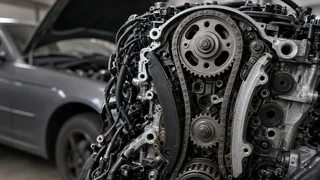
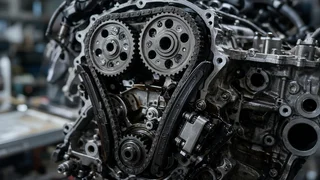
Nissan engine timing chain
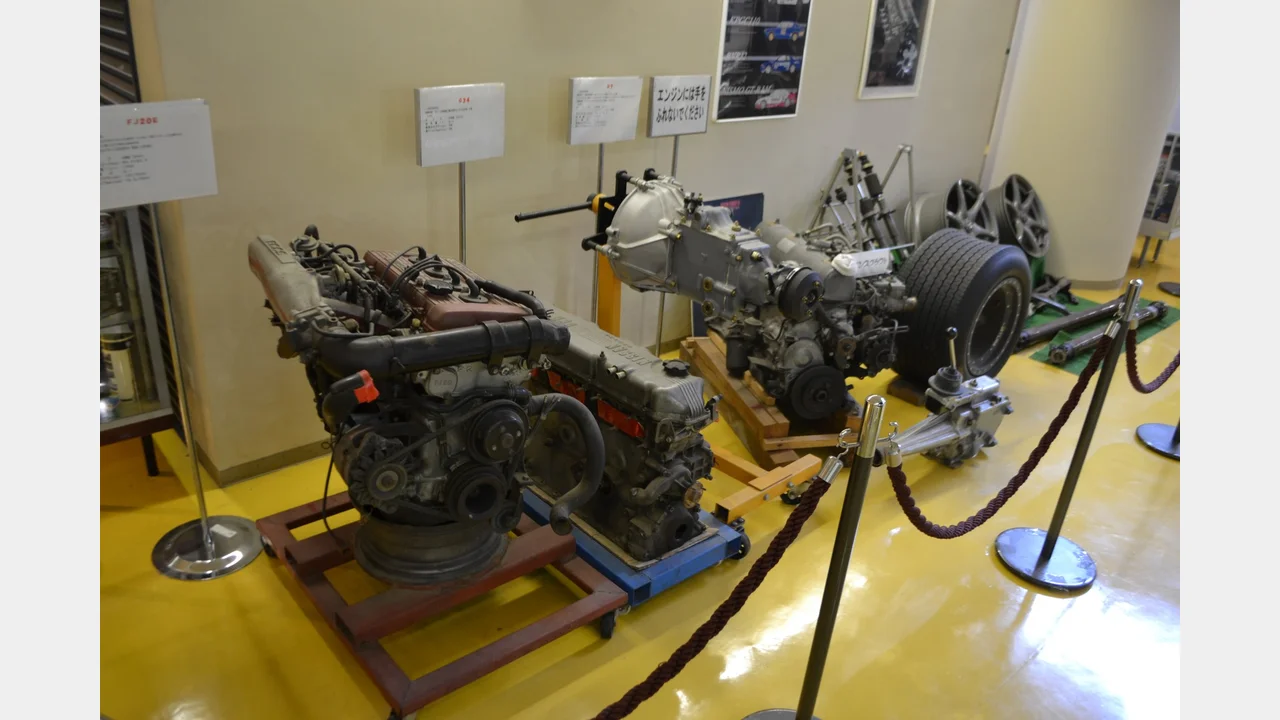
A Nissan engine timing chain is the internal link that keeps the camshaft and crankshaft rotating in a fixed relationship, so the valves open and close at the correct piston positions. Unlike a belt, the metal chain is designed to last the life of the engine under normal service. Wear, oil-pressure problems, chain guide degradation, or tensioner faults can still alter that relationship. Understanding the symptoms and inspection points helps an owner interpret noise, rough running, or diagnostic codes before deciding whether the chain, tensioner, guides, or another component needs attention.
Essential answer
The essential answer is that a timing chain synchronizes valve timing with piston movement inside the engine; on many Nissan engines it replaces a rubber timing belt with a lubricated metal chain. This design generally reduces scheduled replacement, but it does not make the system maintenance-free. The chain runs over guides and a tensioner, and those surrounding parts can wear or lose oil pressure control. When that happens, the engine may still run while producing sounds, timing errors, or codes that point toward the chain circuit rather than the chain itself.
The scope of the question also covers how a chain differs from a belt in failure behavior. A broken belt often stops the engine suddenly, while a worn chain may first stretch, rattle, or allow slight cam timing drift. On interference engine configurations, a large loss of synchronization can cause valve and piston contact, but diagnosing a Nissan engine timing chain concern should start with the supporting system. Chain noise, guide wear, tensioner bleed-down, and oil supply should all be considered before assuming the chain has failed.