New Zealand car import rules
The short answer
Importing a car into New Zealand is not a single approval. It is a sequence of checks. The vehicle must clear the border, pass a biosecurity inspection and meet New Zealand's vehicle standards. It then goes through entry certification before it can be registered and legally driven on the road. Whether a particular car can be imported at all depends mainly on whether it meets the standards that apply to its type and age. Arriving at the port does not settle that question.
This guide gives a general overview. No confirmed figures were available for it, such as fees, tax rates, age cut-offs, effective dates or processing times. Those details change over time and depend on the vehicle and the importer's circumstances. Check them with the relevant New Zealand authorities before you commit to a purchase.
Who is involved
New Zealand Customs Service: border clearance and collection of any taxes owed on the import, such as GST (goods and services tax). Biosecurity New Zealand, part of the Ministry for Primary Industries: inspection to make sure the vehicle is free of soil, plant material, insects and other contaminants. NZ Transport Agency Waka Kotahi: sets the vehicle standards, oversees entry certification and manages registration and licensing. Entry certifiers: approved organisations that inspect an imported vehicle and confirm it meets the requirements before it is registered for the first time.
The main stages of importing a car
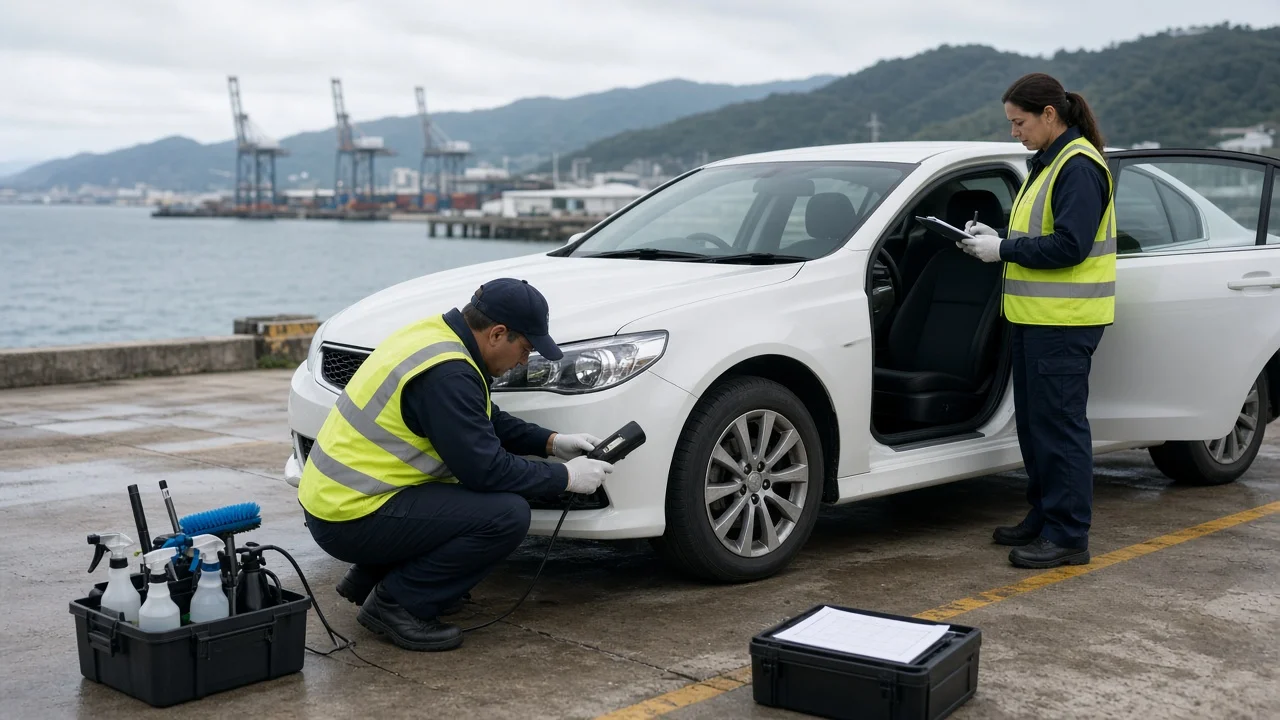
Check eligibility before buying: confirm the vehicle can meet the standards that apply to it, such as safety, frontal impact and exhaust emissions requirements. Shipping and border clearance: the vehicle arrives and is cleared through Customs, with any taxes and charges paid. Biosecurity inspection: the vehicle is checked, and cleaned or treated if needed, before release. Entry certification: an approved certifier inspects the vehicle, checks its documents and confirms its identity, condition and compliance with the standards. Repairs may be required before it passes. Registration and licensing: once certified, the vehicle is registered, given plates and licensed for road use. Ongoing roadworthiness: like any New Zealand vehicle, it then needs periodic inspections, such as a Warrant of Fitness for most private cars.
Factors that change the answer
Several things about the vehicle and the importer can affect what is required. Some can decide whether the import is practical at all.
Steering position: New Zealand drives on the left, so right-hand-drive vehicles are the norm. Left-hand-drive vehicles face restrictions and may need a permit or have to qualify for a specific exemption category. Vehicle age and type: different standards and possible exemptions apply depending on when the vehicle was built and what kind of vehicle it is. Older, classic or special-interest vehicles may be treated differently from recent used imports. New or used: new vehicles from a manufacturer's supply chain and used vehicles imported from overseas markets go through different paths to show compliance. Documents: proof of ownership, export or deregistration papers from the source country, and evidence about the vehicle's history and odometer reading may all be needed. Missing or inconsistent documents can delay certification or prevent it. Importer status: private individuals, including people moving to New Zealand or returning residents, may be treated differently for tax purposes from commercial traders. The exact concessions and conditions should be confirmed with Customs. Emissions policy: New Zealand has policies on vehicle carbon dioxide emissions that mainly affect importers bringing vehicles into the fleet. How they apply to a one-off private import should be checked against current rules.
How this differs from importing into the United States
Readers used to the US system will see that New Zealand's process puts more weight on two things. The first is a mandatory biosecurity inspection at the border. The second is a separate entry certification step before first registration. Steering position also matters more, because most US-market vehicles are left-hand drive, which is the restricted configuration in New Zealand. A vehicle that is ordinary in the United States may therefore face extra hurdles or need conversion work. Whether that is possible and worth the cost depends on the specific model and the exemption rules that apply to it.
What to confirm before committing
Whether the exact make, model and build date can meet New Zealand standards, or qualifies for an exemption. Whether the steering position is allowed for your situation, or a permit is needed. The taxes, fees and inspection charges that will apply, based on current rates rather than older figures. Which documents the entry certifier will need, and whether the seller can supply them. The likely cost and feasibility of any repairs or modifications needed to pass certification. Whether shipping arrangements, such as cleaning before export, will help the vehicle clear biosecurity.
Gaps in this overview
This article does not state specific tax rates, fees, age limits, effective dates, processing times or contact details, because no verified figures were available for it. Rules for permits, exemptions and emissions policy have changed in the past and may change again. Treat this as a map of the process, and get current, vehicle-specific advice from NZ Transport Agency Waka Kotahi, New Zealand Customs Service, Biosecurity New Zealand or an approved entry certifier before you buy or ship a car.