MVIP Station Inspection Log Requirements: What They Are and How They Differ
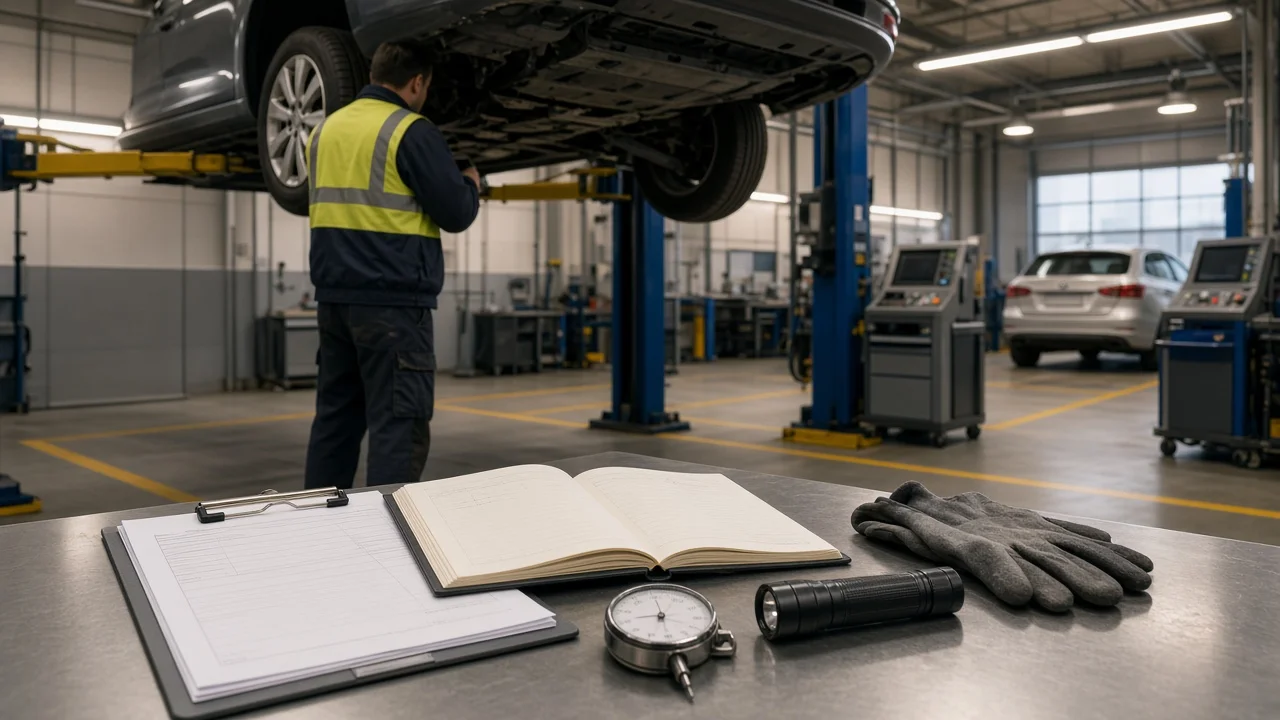
If you work at, run, or are looking into a vehicle inspection station that operates under a state program abbreviated as MVIP, one of your recurring obligations is keeping an inspection log. This guide explains what that log is, what it generally covers, and how it differs from the other rules a licensed station must follow. No program-specific documentation was available for this guide, so it does not state exact retention periods, form numbers, fees, or deadlines. Those details must come from the program that licenses the station.
The short answer
An MVIP station inspection log is the station's official record of the inspections it performs. Station log requirements set out what the station must record, how it must keep those records, and how it must make them available when the program checks them. The log supports the certificates or stickers the station issues. It lets the administering agency confirm that each certification matches a real inspection by an authorized inspector. The exact contents, format (paper, electronic, or both), and retention rules are set by the state program and its regulations. They can vary between programs and can change over time.
Why the program name matters
"MVIP" is usually read as a Motor Vehicle Inspection Program, but US inspection programs are run state by state. Each has its own name, enabling law, and station rules, and similar abbreviations may refer to different programs. Some programs cover safety inspections, some cover emissions testing, and some cover both. Before you rely on any log requirement, confirm which state program licenses the station and whether the requirement applies to safety inspections, emissions inspections, or both.
What an inspection log commonly records
The items below are common to station recordkeeping in many state roadworthiness programs. They show what such a log is for. They are not a confirmed checklist for any specific MVIP program.
Identification of each vehicle inspected, typically including the vehicle identification number (VIN, the unique 17-character code assigned to modern vehicles); The date of the inspection; The inspector who performed it, often identified by a license or certification number issued by the program; The result: pass, fail, or rejection, and the items that caused a failure; The certificate, sticker, or electronic record number issued for a passing vehicle; Accounting for issued, voided, damaged, or missing certificates or stickers, where the program uses controlled documents
How log requirements differ from other station requirements
Station obligations usually fall into several separate categories, and the log is only one of them.
Requirement area | What it governs; Inspection procedure | How each vehicle must be inspected and the standards it must meet; Station licensing | Who may operate a station, plus facility, equipment, and signage conditions; Inspector certification | Who may perform and sign off on inspections; Inspection log and records | Documentation of each inspection and of certificates or stickers issued, kept for program review
A station can do every inspection correctly and still fall short if its records are incomplete or cannot be produced during an audit. Some programs have replaced or supplemented paper logs with electronic reporting to the state. Where that applies, the electronic system may count as the log, or a separate local record may still be required.
Gaps you need to fill from official sources
Because no confirmed program evidence was available, this guide cannot tell you several specifics. These include the exact fields your log must contain, whether a paper log is still required, how long records must be kept, who may inspect them, and the penalties for missing or inaccurate entries. Treat any general description, including this one, as background only.
Next steps
Identify the state agency that licenses the station and administers the inspection program; Get the current station or inspector manual and the program's regulations, and find the section on recordkeeping and logs; Confirm whether the program uses electronic reporting and how that affects the local log; Ask the program's station support or compliance staff about any requirement that is unclear before an audit