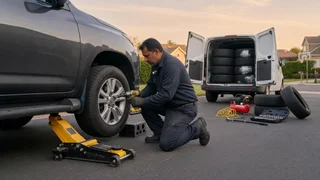
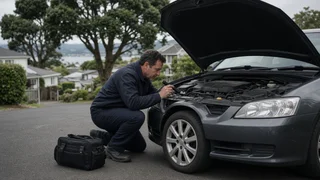
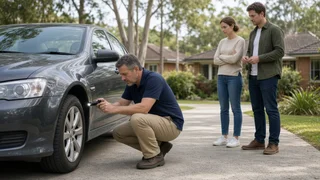
Mobile state vehicle inspections
Can a state inspection come to you?
Sometimes, but it depends on where the vehicle is registered. In the US, roadworthiness inspections are set state by state. Some states have no periodic safety inspection, some require emissions testing only in certain areas, and some require both. Whether an official inspection can happen at your driveway, office or fleet yard depends on that state's licensing rules for inspectors and stations. Check your state's motor vehicle or environmental agency before paying for any mobile service.
No confirmed details were available for this article on which states allow on-site official inspections, which companies offer them, or what they charge. The guidance below covers what to verify, not specific providers or prices.
Two different services use the same name
Services sold as mobile inspections usually work in one of two ways. Find out which one a provider offers before booking.
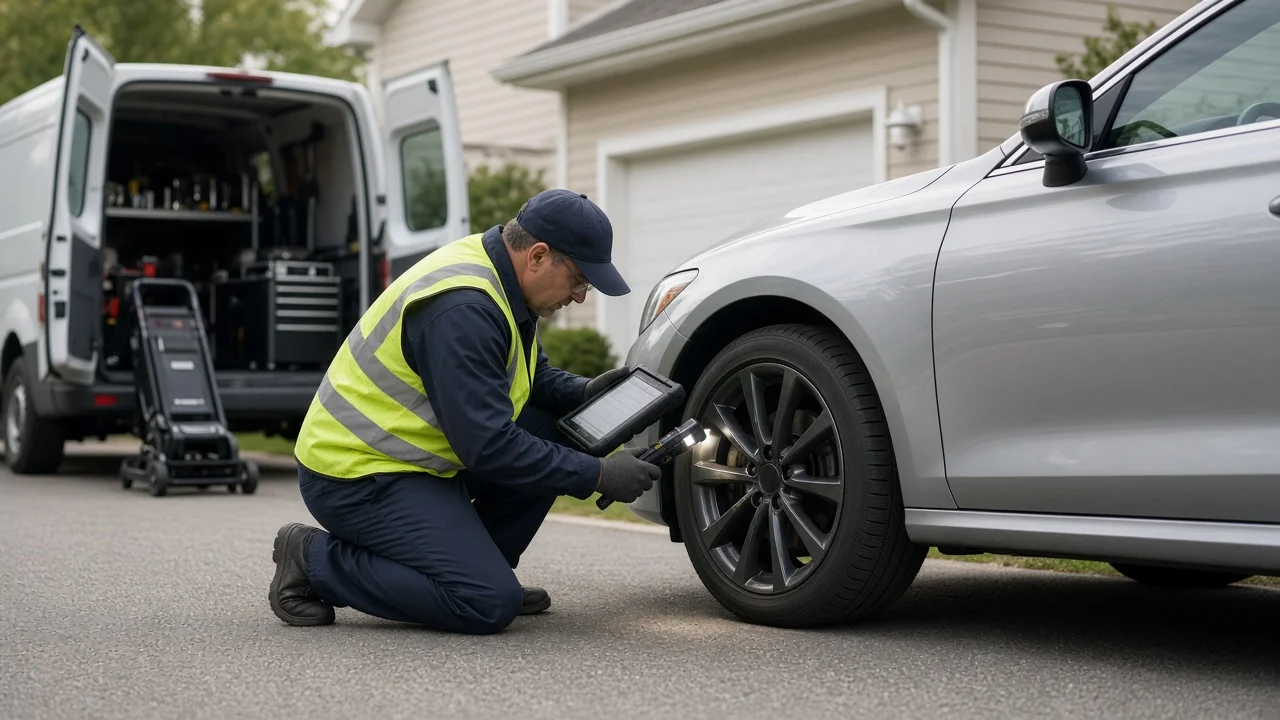
On-site official inspection: a state-licensed inspector performs the inspection at your location and records the result in the state's system, where state rules allow this. Pickup and delivery: a driver collects the vehicle, takes it to a licensed inspection station, and returns it. The inspection itself happens at a fixed station; you are paying for the convenience of not taking the car there yourself.
Both can get a vehicle legally inspected. Only the first means the inspection happens at your location. If a service cannot say clearly which model it uses, treat that as a warning sign.
Why emissions testing can limit mobile options
Emissions tests vary by program and vehicle. Some rely on reading data from the vehicle's onboard diagnostic system, or OBD, the computer that monitors engine and emissions components through a standard connector. Others use fixed equipment such as a dynamometer, a rolling road that lets the vehicle run under load while stationary. Tests that need fixed equipment are less likely to be offered on site. Ask which test method applies to your vehicle's model year, fuel type and powertrain in your state. Older, diesel, hybrid and electric vehicles may be treated differently.
What to check before you book
Licensing: ask for the inspector's or station's state license or authorization, and confirm it with the state agency if you can. Scope: confirm whether the visit covers safety, emissions or both, and whether that matches what your registration requires. Record and sticker: ask how the result is reported to the state and how you will receive any sticker, certificate or compliance record. Fees: get the state inspection fee and any mobile, travel or convenience charge listed separately. Some states set or cap the official inspection fee; the convenience charge is usually separate. Failed inspections: ask what happens if the vehicle fails, including whether you get a written list of defects, whether repairs are offered, how reinspection works, and whether there is a deadline. Vehicle handling: for pickup services, ask who is insured while the car is being driven and how damage or delays are handled. Timing: check your registration or inspection due date and allow time for repairs and reinspection if needed.
Who benefits most
Mobile inspections are generally most useful for fleet operators and dealers with several vehicles at one site, for owners who cannot easily take time off to visit a station, and for vehicles that are hard to move. For a single vehicle near a licensed station, a standard station visit may be simpler. Compare the total cost and time of each option.
Next step
Start with your state's official inspection requirements for your vehicle type and registration area. Then ask any mobile provider whether they perform official inspections on site or transport the vehicle to a licensed station, and get their licensing, scope, fees and failure process in writing before you commit.