Mobile pre-purchase car inspections in Auckland
The short answer
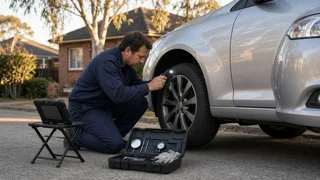
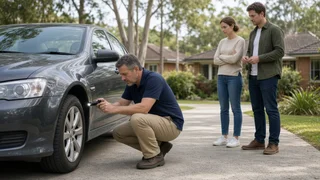
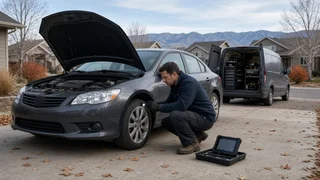
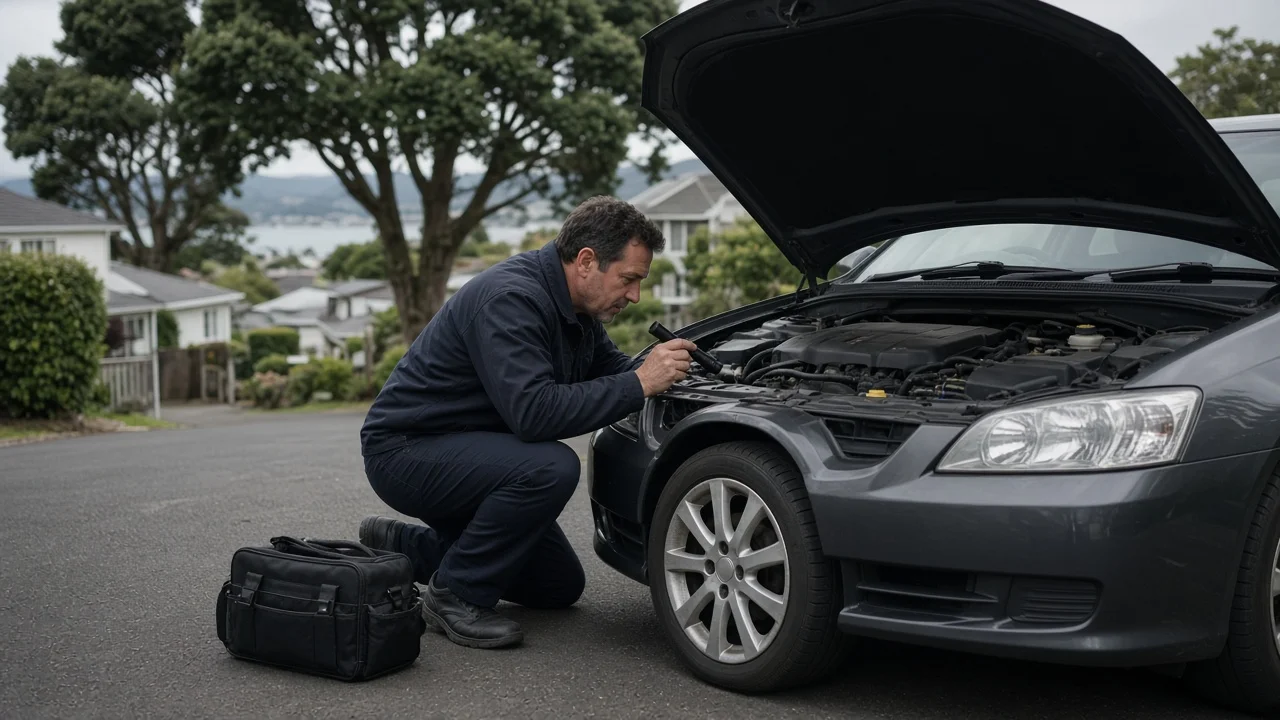
A mobile pre-purchase inspection sends an independent inspector to wherever the car is, such as the seller's home, workplace or a dealer's yard. It gives you a third-party view of the vehicle's condition before you commit, without having to persuade the seller to drive the car to a workshop. For most everyday used cars bought privately or from a dealer around Auckland, it is a sensible step before you pay.
One condition changes that answer: how much the inspector can see. A mobile inspection is usually done on the ground, without a vehicle hoist (a lift that raises the whole car so the underside can be examined). If the car is high-value, heavily modified, imported with an unclear history, or you have specific concerns about rust, leaks or underbody damage, a workshop-based inspection with the car on a hoist may be the better choice. Ask any provider you are considering which kind of inspection they actually perform.
What a mobile inspection usually covers
Exact checklists vary between providers, so confirm the scope in writing before booking. A typical mobile inspection looks at:
Body and paintwork, including signs of accident repair, mismatched panels or uneven gaps; Visible rust and corrosion on accessible areas; Tyres, including tread depth and uneven wear that can point to alignment or suspension problems; Engine bay condition, fluid levels and visible leaks; Lights, wipers, electrical accessories and dashboard warning lights; Interior condition, seatbelts and controls; A road test covering engine behaviour, transmission shifts, braking, steering and noises; A diagnostic scan for stored fault codes, if the provider includes one
A diagnostic scan reads fault codes stored by the car's onboard computer. It can reveal problems that are not showing a warning light at the time of the inspection, but it does not replace a mechanical check, and recently cleared codes may not appear.
Limits of inspecting the car on site
Working at the roadside or in a driveway brings practical limits that a buyer should understand before relying on the report:
Without a hoist, the underside, exhaust, suspension components and chassis rails can only be partly seen; Rain, poor light or a cramped parking space can reduce how thoroughly the car can be checked; A short road test on local streets may not reproduce faults that appear at motorway speed or after a long drive; Internal engine or transmission wear generally cannot be confirmed without specialist testing or dismantling; A cold-start check is only possible if the seller has not already run the engine before the inspector arrives
Treat the report as a professional opinion on condition at a point in time, not a guarantee. Read the provider's terms to see what they accept responsibility for if a fault is missed.
How to choose a mobile inspector
No verified information about specific Auckland providers, their prices or their availability was available for this guide, so compare options using questions like these:
Who carries out the inspection, and what are their mechanical qualifications or trade background? Is the inspector independent of the seller and any dealer involved? What exactly is checked, and can you see a sample report beforehand? Is a road test included, and is it done by the inspector? Is a diagnostic scan included? Do they have experience with your type of vehicle, such as hybrids, electric vehicles, diesels, European makes or Japanese imports? How is the report delivered, and does it include photos? Will the inspector talk you through the findings afterwards? What areas of Auckland do they travel to, and is there an extra charge for distance? What is the total price, and what happens to the fee if the seller cancels or the car is unavailable?
Vehicle type matters. Hybrid and electric vehicles have high-voltage systems and batteries whose health is not assessed by a standard visual inspection. If you are buying one, ask specifically whether the provider can assess battery condition and how.
Checks to run alongside the inspection
A mechanical inspection does not tell you about the car's ownership or finance status. Before buying in New Zealand, buyers commonly also:
Check the Personal Property Securities Register (PPSR) to see whether money is owed against the vehicle, as a security interest can stay with the car after sale; Run a vehicle history report to look for odometer inconsistencies, write-off or damage records, and whether the car has been reported stolen; Confirm the registration and plate details match the vehicle and the seller's identity; Check the Warrant of Fitness (WOF) or Certificate of Fitness status and expiry
A current WOF is not a substitute for a pre-purchase inspection. A WOF confirms the car met minimum safety standards on the day it was checked; it does not assess overall mechanical condition, wear or likely repair costs.
Private sale or dealer: why it matters
The inspection is especially valuable in a private sale. In New Zealand, the Consumer Guarantees Act applies to purchases from businesses such as registered motor vehicle traders, but generally not to private sales, so you have far fewer options if a fault appears after buying from a private seller. When buying from a dealer, you have more consumer protection, but an independent inspection still helps you negotiate and avoid disputes later.
Arranging the inspection with the seller
Ask the seller's permission before booking, and agree on a time and place with enough room for the inspector to work safely; Ask the seller not to start the car beforehand so a cold start can be checked; Confirm the seller will be present with the keys and any service records; Make any offer conditional on a satisfactory inspection if you are negotiating before it happens; Be cautious if a seller refuses any independent inspection without a clear reason
Using the report to decide
Once you have the report, sort the findings into safety issues, upcoming maintenance and cosmetic wear. Get repair estimates for anything significant and use them to renegotiate the price, ask the seller to fix the issue before sale, or walk away. Minor wear is expected on a used car; the goal is to avoid surprises that change the true cost of ownership.
What this guide could not confirm
No verified evidence was available on specific Auckland mobile inspection providers, their prices, turnaround times, service areas, qualifications or customer reviews. Compare these directly with providers before booking, and check current consumer law and register procedures with official New Zealand sources if your situation is unusual.