Mitsubishi car prices
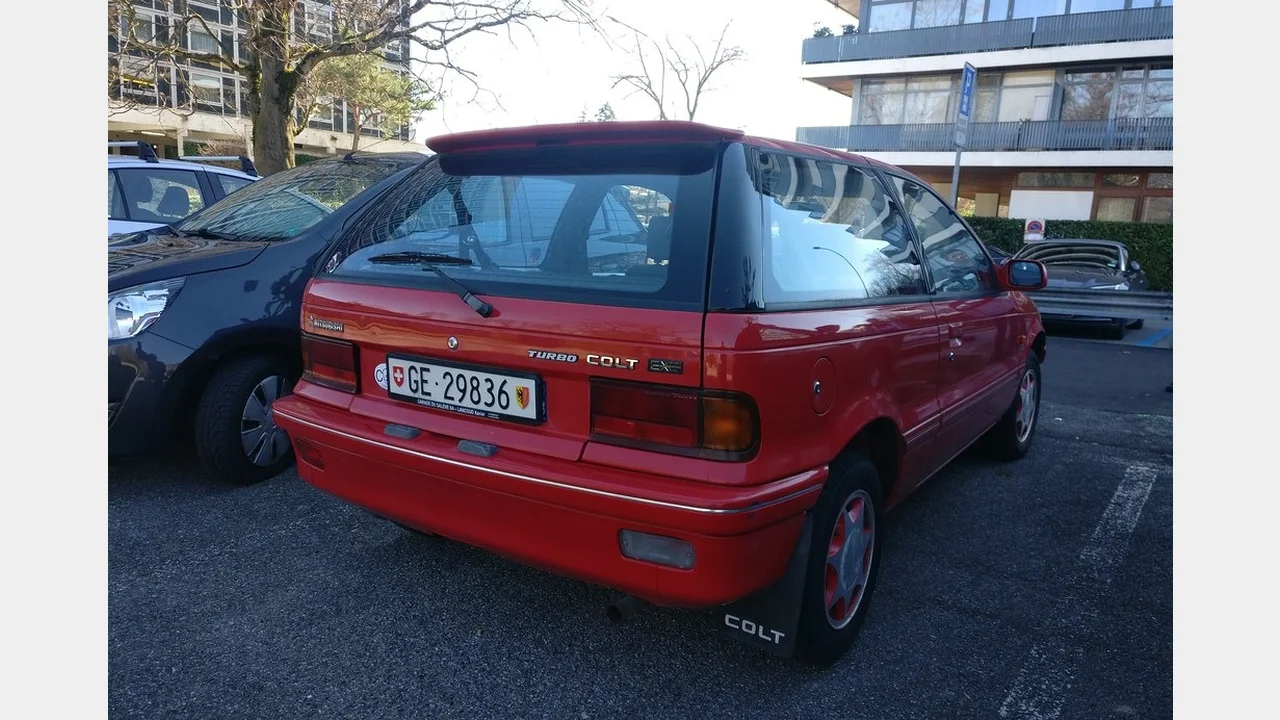
A Mitsubishi car price is not one fixed number; it shifts with condition, equipment, geography, and how the deal is built. Two nearly identical vehicles can sit thousands of dollars apart because one has lower wear, a more desirable trim level, or a cleaner service record. That spread is normal, not a sign of bad data. Before comparing any advertised figure, the useful question is what that number actually includes. Dealer fees, destination-type add-ons, reconditioning, or missing registration costs change the real transaction quickly. Understanding the inputs behind a market valuation helps you spot a genuinely strong offer instead of simply reacting to the lowest listing.
The direct answer
There is no universal Mitsubishi car price because the transaction reflects the vehicle itself and the regional market where it is sold. A low-mileage crossover in a high-demand metro area will not carry the same valuation as a high-mileage sedan in a smaller market, even when the model year is identical. The most reliable approach is to treat any single asking price as one data point, then compare it against similar model year, trim level, and mileage examples nearby.
The real cost is set by condition and included charges, not by the window sticker alone. A vehicle with visible paint correction, fresh tires, and documented maintenance may justify a higher number than a cheaper example needing immediate brake or timing-related work. Before choosing, confirm whether the advertised price includes dealer conveyance, title processing, or aftermarket items already installed. Those details make one market valuation comparable to another rather than simply lower on a search page.