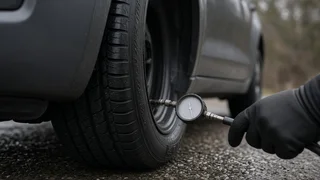
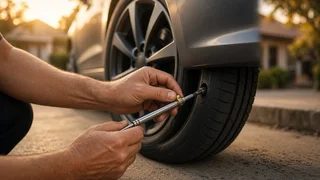
Milton Pencil Tire Pressure Gauge (S-921)
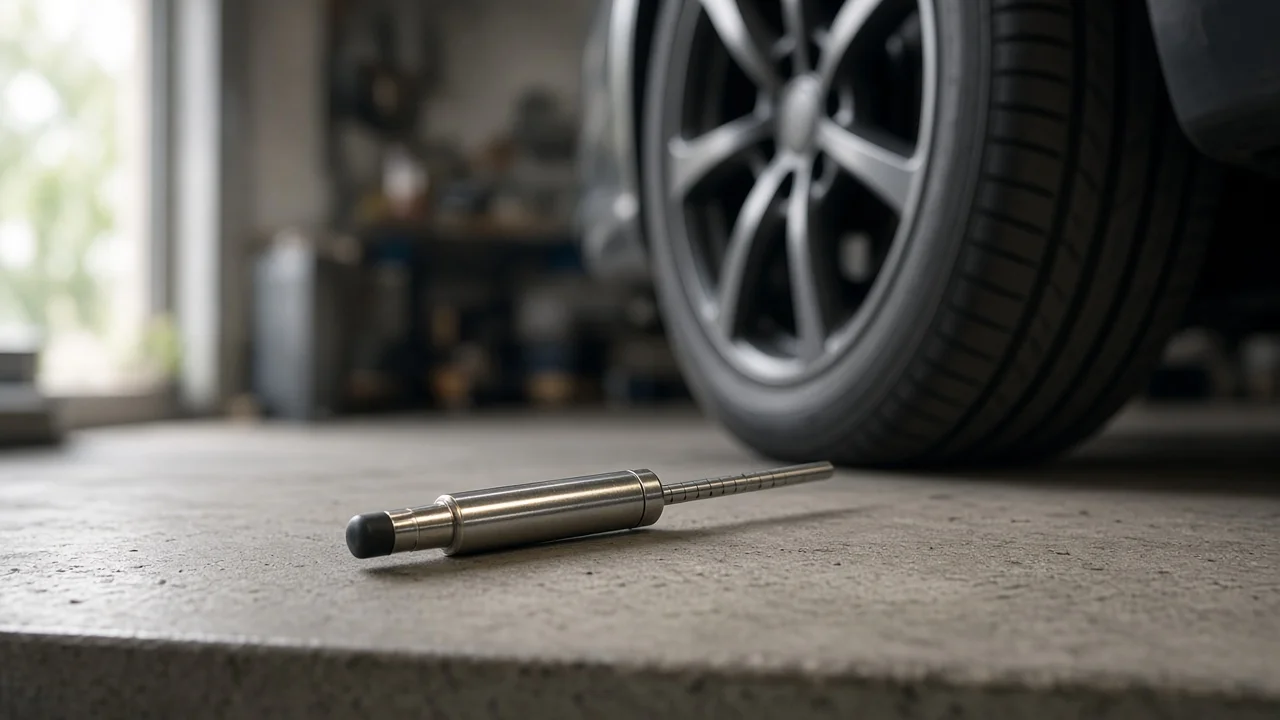
Choosing a pencil tire pressure gauge often comes down to how it feels in your hand, how clearly the scale reads, and whether its indicated pressure agrees with a vehicle specification. The Milton pencil tire pressure gauge model referred to as the S-921 is part of that everyday tool category, yet buyers frequently have limited confirmed data before purchase. For a commercial research task, the practical goal is to understand measurement range, accuracy, calibration, connection feel, and units well enough to judge whether this style of gauge suits typical passenger-car or light-truck use.
The direct answer
The immediate answer is that a pencil tire pressure gauge such as the Milton S-921 is best understood as a compact, mechanical checking device rather than a lab instrument. Its value depends on whether the scale covers the pressures you normally run, whether the reading repeats consistently, and whether the chuck seals cleanly over the valve stem. Without confirmed product numbers or tolerances, the safest purchase decision is to treat it as a convenient roadside or glovebox gauge and verify its readings against a known reference.
A pencil gauge works by admitting tire air into a small cylinder and moving an internal piston against a calibrated spring. The extended stem shows the result in units printed on the barrel, usually psi and sometimes kPa or bar. Good measurement practice means pressing the connection squarely onto the valve core, holding it briefly until the stem stops moving, and reading the scale in good light. This type of tool rewards a firm, repeatable connection because leaks at the chuck can create a low or unstable reading that is mistaken for an accuracy problem.