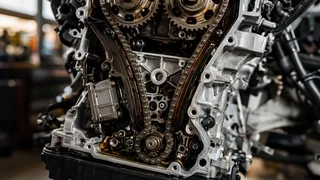
Mercedes M272 timing chain
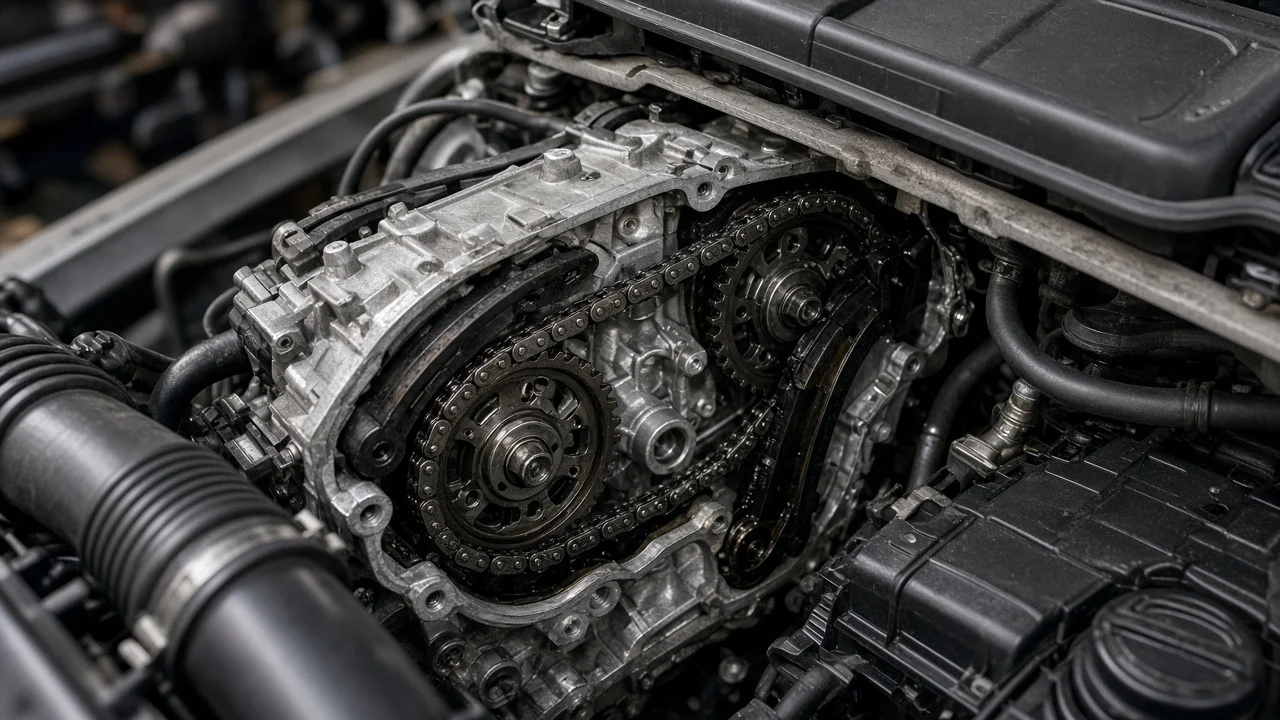
The Mercedes M272 engine family powers a wide range of vehicles, and its timing chain is a core component that keeps the valvetrain synchronized with the crankshaft. When a driver researches the M272 engine timing chain, the concern usually centers on wear, noise, or the risk of failure. Understanding how this chain operates, what symptoms signal trouble, and why inspection matters can help an owner interpret engine behavior before a small issue becomes a major repair.
Essential answer
The M272 uses a timing chain to connect the crankshaft to the camshafts, controlling when the intake and exhaust valves open relative to piston position. Unlike a belt, the chain is designed for long service life and is lubricated by engine oil. However, it is not immune to wear. Stretching or guide wear can alter valve timing, potentially triggering diagnostic codes or rough running. The essential answer is that this chain is a durable but wear-sensitive component that depends on consistent oil pressure and condition.
Because the chain is internal, a direct visual inspection often requires removing the front timing cover or using a bore scope through an access point. Symptoms may include a rattling sound at cold start, camshaft position correlation fault codes, or reduced performance. Manufacturer-dependent codes require vehicle-specific confirmation before replacing parts. An informed owner should view any code or noise as a reason to check the timing system carefully, not as automatic proof that the chain itself has failed.