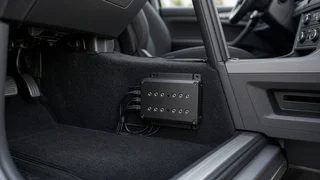
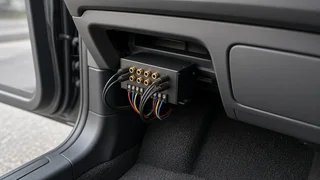
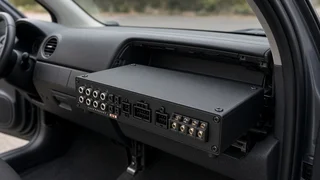
Hertz car audio DSP
Choosing a Hertz car audio DSP means shaping the analog electrical signal from a head unit before it reaches amplifiers and speaker wiring. The core task is matching signal input type, channel count, and tuning control to an existing vehicle integration plan. Buyers should verify whether the processor accepts the audio source's output voltage, supports the planned active crossover or summing strategy, and gives repeatable adjustment through its control software. A fault code alone never identifies a failed DSP; instead, loss of signal reception or distorted output guides basic diagnosis before purchase or return decisions.
The direct answer
The immediate answer is that a Hertz car audio DSP is a signal processor designed to correct and route audio between a source unit and the amplifiers. The practical purchase condition is output capability: it must supply enough channels for the intended tweeters, midrange drivers, woofers, and subwoofers while accepting a usable input voltage. Before buying, confirm the head unit's preamp output level and whether the processor can sum factory channels, because that single compatibility factor determines whether integration is straightforward or requires an added line-output converter.
A second condition concerns control and setup. The processor must allow the user to adjust equalization, time alignment, and crossovers without resending every change blindly through an unreliable interface. If the available tuning software cannot detect the device through the computer connection, the unit behaves like an inert pass-through. Therefore the buyer should treat confirmed input-to-output routing, software recognition, and sufficient output channels as the decisive checks rather than trusting branding or a previous owner's claim that the processor is working.