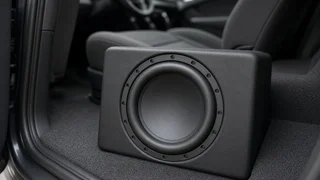
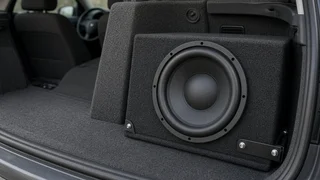
Boston acoustic car subwoofer
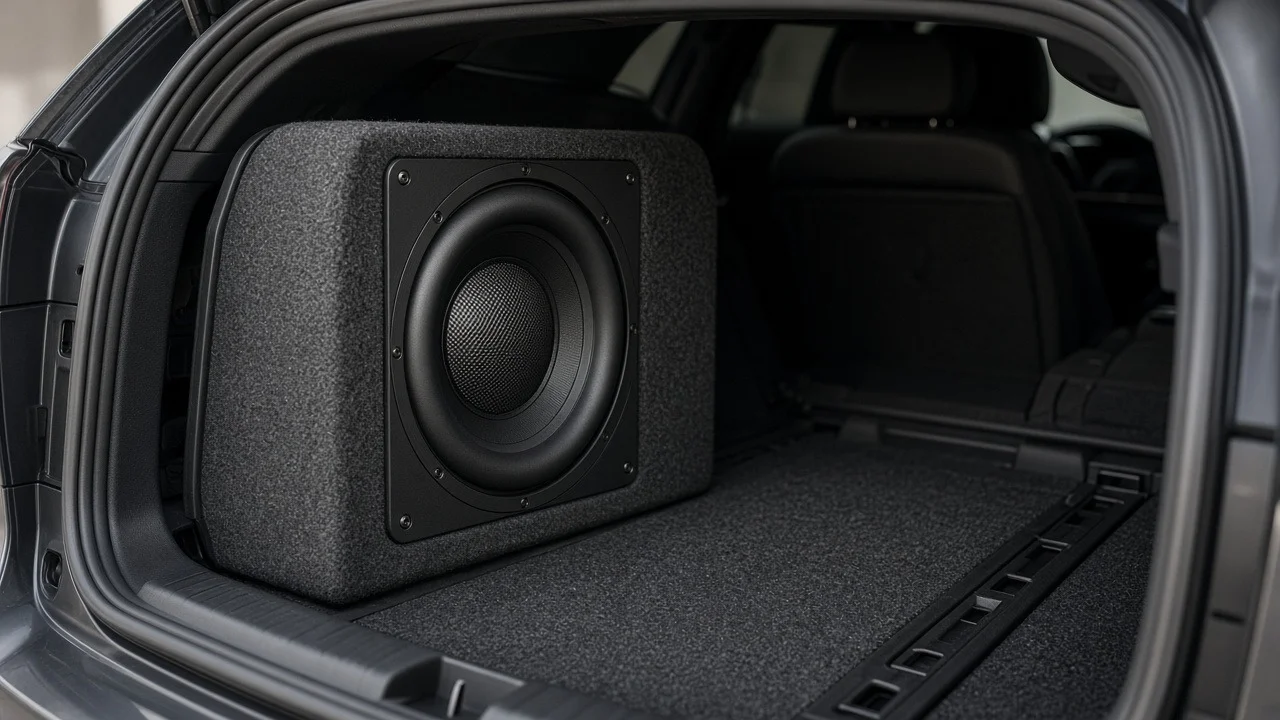
A Boston Acoustic car subwoofer remains one of the more recognizable names in mobile bass, and buyers usually encounter it through older factory-installed systems or the used aftermarket market. Because the brand has changed ownership and product availability over time, the practical task is less about finding a new sealed box and more about verifying condition, compatibility, and whether a particular driver fits the existing enclosure and amplification. Purchase research therefore starts with signal requirements, speaker wiring, and vehicle integration rather than brand loyalty alone.
The direct answer
The nearest direct answer is that a Boston Acoustic car subwoofer is generally purchased as a used, refurbished, or new-old-stock component rather than a current mainstream catalog item. A buyer should treat any listing as a compatibility question first. The driver must match the enclosure volume, mounting depth, voice-coil impedance, and available power from the head unit or external amplifier. Without that match, even a well-built subwoofer can sound weak, rattle, or strain the audio source.
Vehicle integration matters more than the brand badge. Check whether the subwoofer is a raw driver for a custom box or a loaded enclosure intended for a specific trunk or cabin location. Factory Boston Acoustics systems often used proprietary amplification and filtering, so a loose factory woofer may not behave like a universal aftermarket driver. Confirm the cone surrounds, spider, terminal condition, and coil movement before purchase because age-related foam rot and suspension fatigue are common on older automotive audio gear.