CVSA brake inspections in 2019
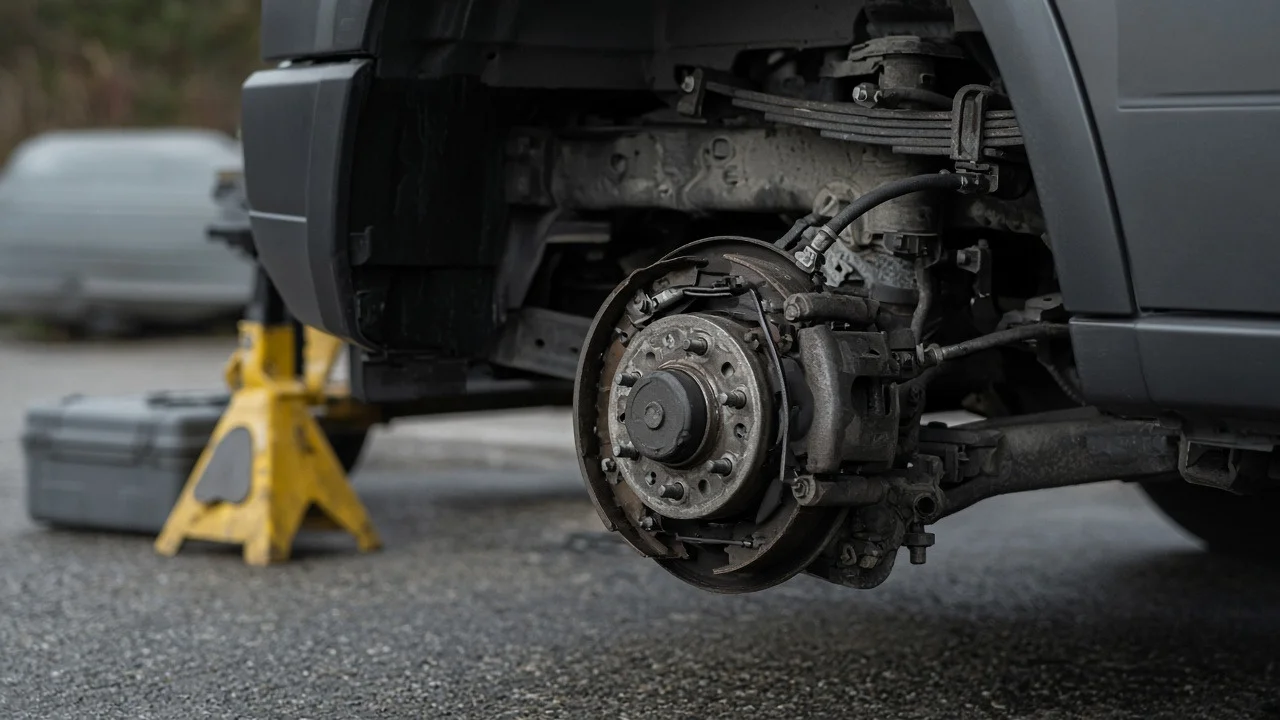
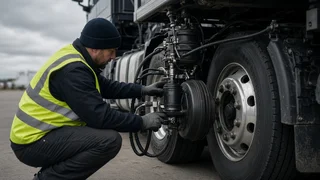
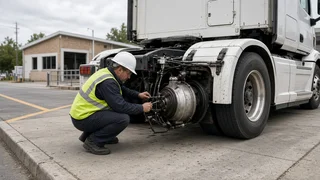
A CVSA brake check in 2019 refers to the Commercial Vehicle Safety Alliance's focused enforcement and inspection effort targeting commercial motor vehicle braking systems. This annual roadside campaign used uniform inspection criteria to identify out-of-service defects during a designated period. Unlike a routine administrative stop, the inspection emphasized measured pushrod travel, lining condition, air system integrity, and proper adjustment. Understanding this process helps drivers and fleet owners interpret inspection reports, prepare vehicles for safety inspections, and address mechanical issues before they become violations.
Essential answer
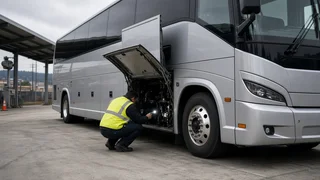
The essential answer is that the 2019 CVSA brake check was a coordinated roadside enforcement event, not a single testing procedure or a consumer recall. Inspectors applied the North American Standard inspection process to evaluate brake components on commercial vehicles, looking for conditions severe enough to remove a truck or bus from service until corrected. The scope covered air and hydraulic brake systems, including chamber stroke, linings, drums, rotors, hoses, and warning devices. Any vehicle failing such an inspection could require a retest or certificate of correction before returning to operation, which is a key distinction from a standard vehicle identification check or emissions test.
Because enforcement criteria vary by jurisdiction, a defect noted during this campaign often required vehicle-specific confirmation before repairs began. A fault code or an inspector's note is evidence to interpret, not proof that a specific part, such as an air chamber or slack adjuster, has failed. The campaign's emphasis on mechanical inspection also differentiated it from an emissions test, which measures tailpipe output, or a general safety inspection, which may cover lights and tires. A retest after repairs confirms the violation was resolved, but the inspection itself is a snapshot of vehicle condition on that day.