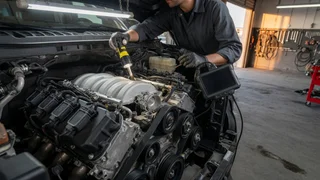
5.7 Hemi oil pressure
Oil pressure in a 5.7 Hemi is not a single steady number; it varies with engine speed, oil temperature, and load. Many owners notice the gauge reading drop at a warm idle and wonder whether the engine is wearing out or simply behaving normally. The Hemi's pushrod architecture and variable-displacement hardware influence how pressure appears across different conditions. Understanding those relationships helps distinguish expected fluctuation from a lubrication concern. This overview explains how pressure is produced in the engine, what commonly affects the reading, and how to interpret changes without treating every low gauge indication as an immediate failure.
Essential answer
A 5.7 Hemi oil pressure reading depends heavily on pump output and the resistance created by bearing clearances and oil viscosity. At cold startup, thicker oil and a fast idle can raise pressure noticeably. As the engine reaches operating temperature, the oil thins and idle speed drops, so the gauge often falls. That warm-idle reduction is generally normal as long as pressure climbs promptly with engine speed. The key behavior to watch is response: a healthy lubrication circuit should show a clear increase when rpm rises, not a flat or delayed reading.
While a pressure gauge provides useful evidence, it is not a direct proof that a specific component has failed. A low reading at idle can come from a sending unit issue, diluted oil, incorrect fill level, a partially restricted pickup screen, or actual wear. Because the Hemi has been used across different platforms and model years with varying instrumentation, manufacturer-dependent specifications and service guidance may differ. Owners should confirm the expected range for their particular vehicle and use pressure only as one part of the lubrication diagnosis.