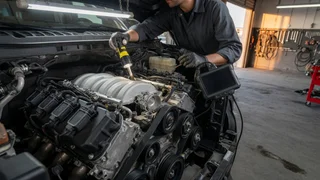
5.7 Hemi Oil Pressure Sensor Location
Locating the 5.7 Hemi oil pressure sensor can turn a vague dashboard warning into a manageable repair task. On most 5.7-liter Hemi engines, the oil pressure sending unit is positioned at the rear of the intake manifold, near the firewall, often on the back of the engine block or the rear valley area. Because access is tight, understanding the surrounding route information and component layout helps you plan the job before reaching into the engine bay and disturbing brittle wiring or nearby vacuum lines.
Essential answer
The 5.7 Hemi oil pressure sensor location is generally at the back of the engine block on the top rear portion of the intake manifold valley, close to the firewall. On many truck and car applications, the sending unit threads into a port near the rear of the lifter valley cover or the back of the block, where it can read pressurized oil from the main gallery. The position places the sensor high on the engine, but access requires working around the cowl, heater hoses, and wiring harness.
Because the location sits near the brake booster and rear intake runners, a direct view is often blocked. You may need to feel for the sensor or use a small inspection mirror to identify the connector and the cylindrical body. When oil pressure readings become erratic, the sensor, its pigtail, or the connector seal may be at fault. A precise vehicle-specific diagram or service manual will confirm whether the port sits on the block or on a separate sensor adapter.
Identification and location
To recognize the oil pressure sensor, look for a small cylindrical switch or sender with a one- to three-wire electrical connector. On many Hemi engines it threads directly into a machined pad at the upper rear of the block, often just below the intake manifold seam. The sensor is frequently mistaken for a coolant temperature sender or knock sensor, so trace the wire colors and the thread size before labeling the component.
From the top of the engine bay, the best visual cue is a connector aimed toward the passenger side or straight up, depending on the harness routing and vehicle packaging. Reaching it usually involves removing the engine cover and possibly moving a wiring bracket or a vacuum line. Since position accuracy matters when inspecting by feel, confirm the sensor against the connector shape and the single wire or multi-wire pigtail in your specific model year.