Remote vehicle starter
A remote starter changes how a vehicle behaves before you get behind the wheel, but different kits and prep packages make comparisons confusing. The AP3 remote vehicle starter system and an AP8 remote vehicle starter prep package are often mentioned together, yet they serve different roles in a full installation. Understanding the starter circuit, battery state of charge, and ignition switch integration helps you avoid buying hardware that does not match your vehicle. This guide explains what to check when choosing and buying, from the direct answer through the underlying function and background.
The direct answer
An AP3 system is a complete or primary remote start module designed to engage the starter circuit from a key fob or smartphone command. It typically controls the ignition switch, starter cranking, and security handshake needed for the engine to run without a physical key. Before purchasing, verify that the kit matches your vehicle's immobilizer, transmission type, and factory alarm behavior. A system that is not compatible can crank the engine but fail to keep it running, or it may conflict with the existing anti-theft system.
An AP8 remote vehicle starter prep package is not a complete remote starter by itself. It generally provides wiring, connectors, brackets, or module capability that reduces installation steps when a compatible remote start module is added later. If fuel delivery or cranking speed diagnostics point to an existing starting problem, installing any remote starter on a weak battery state of charge will worsen the symptom. Treat the prep package as preparation, not as a functioning remote start solution.
Function and background
Remote starting works by temporarily reproducing the actions of the ignition switch without moving a mechanical key through the cylinder. The module verifies the correct security signal, energizes accessory and run circuits, then pulses the starter until the engine reaches sufficient cranking speed. After start confirmation, the module disengages the starter while keeping fuel delivery and ignition active. This sequence must also respect hood open switches and brake pedal inputs to prevent unsafe operation.
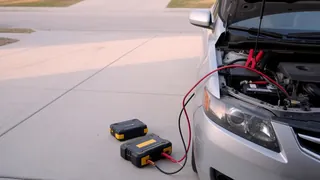
Diagnostic checks are important because a remote starter depends on the same starting systems a driver uses with a key. Low battery state of charge may allow the module to activate but produce slow cranking that never reaches the threshold for start confirmation. Weak fuel delivery, a faulty ignition switch signal, or a worn starter circuit relay can create the impression of a bad remote starter when the underlying fault is already present. Matching the module to the vehicle's electrical architecture is the first step in avoiding false failure codes.