2013 Ford Explorer Trailer Brake Controller

Choosing a trailer brake controller for a 2013 Ford Explorer means matching the vehicle’s electrical architecture, connector type, and towing habits to a unit that responds predictably with the trailer’s brakes. Owners often ask whether the factory wiring, mounting position, and brake signal behavior support a plug-in module or require a custom harness. The right decision depends on confirming the existing trailer tow package, the controller’s input signal, and how the gain and boost settings will behave with the Explorer’s brake pedal and trailer axle load.
The direct answer
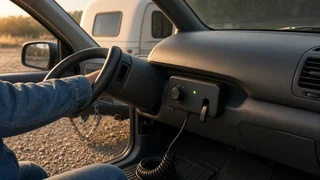
The most practical answer is to select a proportional brake controller with a vehicle-specific adapter harness that plugs into the 2013 Ford Explorer’s under-dash connector, provided the SUV has the factory tow package wiring. Proportional units read the tow vehicle’s deceleration and apply trailer brake pressure in relation to that signal, which reduces the abrupt grabbing common with time-delayed controllers. Without a confirmed factory connector, a universal hardwired controller can still work, but installation requires tapping the brake switch signal, battery feed, ground, and trailer brake output correctly.
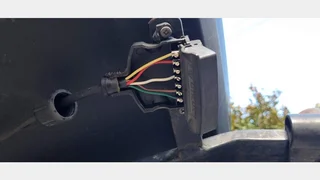
A materially important condition is whether the Explorer already has the seven-way trailer connector and the associated wiring under the dash. If the connector is present near the steering column or in the kick panel area, a plug-in harness eliminates most wire splicing and preserves the factory circuits. If the connector is absent, the owner must route a brake controller output wire to the rear seven-way socket and verify the brake light signal at the pedal switch. In either case, the controller’s manual lever should operate the trailer brakes independently, which is useful for checking gain before a descent or when trailer sway begins.