Will a car start if the water pump fails
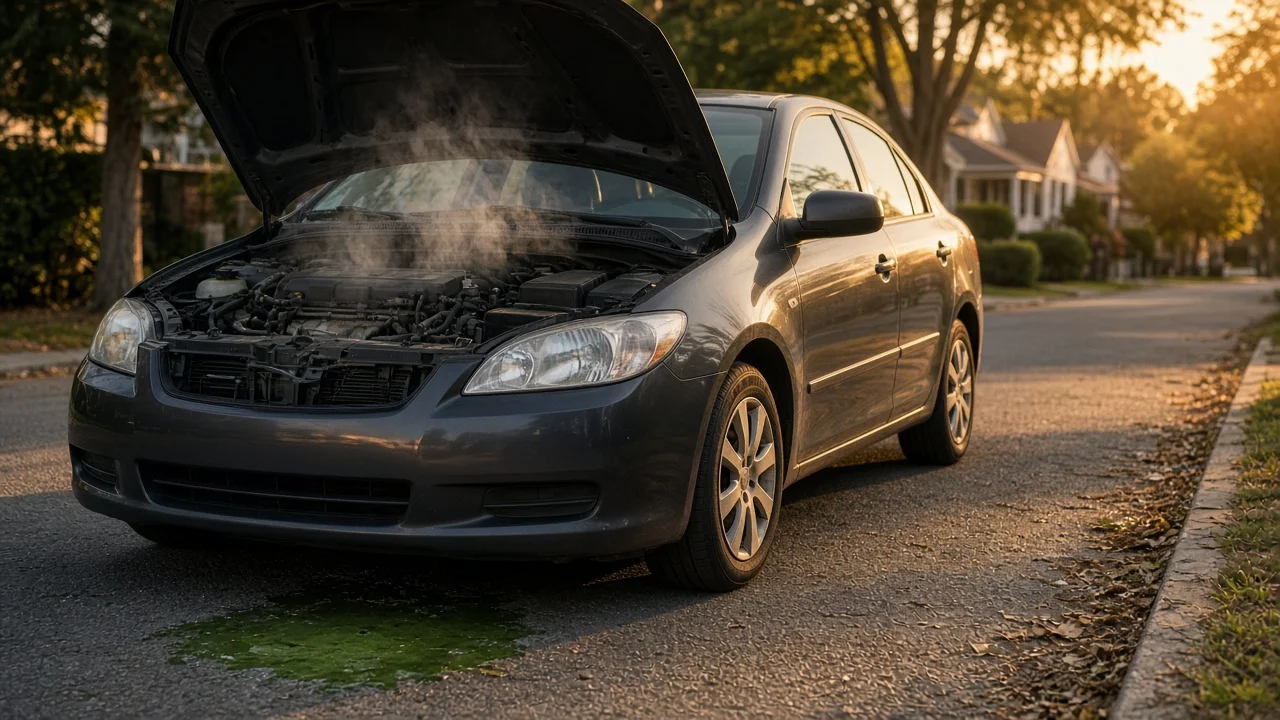
A no-start condition immediately raises suspicion about the battery, starter, or ignition system, yet cooling-system trouble can also produce frightening symptoms. If a water pump fails, the engine will usually still crank and fire because the pump is driven by the accessory belt and is not part of the starting circuit. However, severe overheating from coolant loss can damage internal components and eventually create a true no-start after shutdown. Understanding the difference between a pump that leaks or seizes and the separate act of starting explains why these problems are related but mechanically distinct.
Essential answer
In most cases, a car will start with a failed water pump. The starter motor, battery, fuel delivery, and ignition components operate independently of the coolant pump, so initial cranking is generally unaffected. A leaking pump may empty the cooling circuit and trigger a temperature warning, yet the engine can still fire for a short period. The real risk appears when the motor runs without coolant circulation. Heat builds rapidly around the cylinder head, and continued operation can warp sealing surfaces or cause a head gasket failure that later prevents compression and starting.
A seized pump is a different situation. If the bearing locks, the accessory belt may squeal, slip, or break. On engines where that belt also drives the alternator, a broken belt stops charging, but the engine may still start until the battery drains. Some interference-style timing-belt-driven pumps can create more serious mechanical damage if the timing belt jumps, though this requires vehicle-specific confirmation. Therefore, a bad water pump does not directly interrupt the starting circuit, but the overheating or belt damage that follows can indirectly cause a no-start.