How to Tell If a Car Water Pump Is Bad and Test It
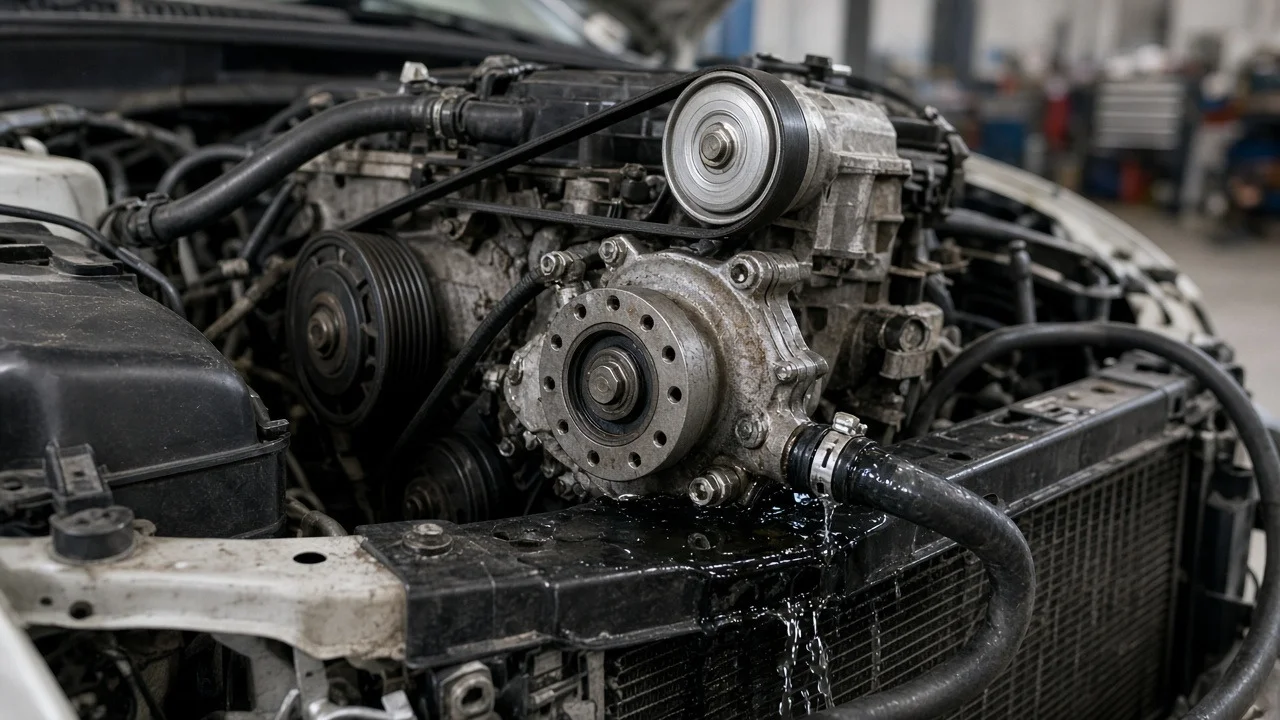
A failing water pump can quietly turn a drive into an overheating event. This pump is the heart of the cooling circuit, moving coolant from the radiator through the engine block and back again. When it stops circulating properly, heat builds up quickly, especially at idle or low speed. Checking a car water pump means looking for external leaks, listening for bearing noise, and confirming flow without opening a hot system. The signs are often subtle early, so a methodical test helps separate a weak pump from a stuck thermostat, low coolant level, or trapped air pockets.
Direct answer
To tell if a car water pump is bad, start with the coolant level, visible wetness around the pump housing, and any grinding or squealing from the pump area. A healthy pump creates circulation, so one quick check is to observe coolant movement in the radiator or expansion tank once the engine reaches operating temperature. No movement, combined with rising temperature and a cold lower hose, suggests the impeller may not be pushing coolant.
Leakage is usually the clearest sign. Coolant can escape from the weep hole, the pump gasket, or around the shaft seal. A failing bearing often makes noise first, then allows the shaft to wobble and leak. A pump can also fail internally if the impeller erodes or slips, reducing flow without an obvious drip. Because the thermostat and pressure cap affect the same cooling circuit, confirm the problem before assuming the pump has failed.
How to proceed
Begin on a cold engine. Check the coolant level and inspect the ground beneath the pump for dried residue, which often appears white, green, pink, or orange depending on the coolant. Squeeze the upper radiator hose gently to feel for pressure and inspect the pump area with a flashlight. If you can access the pump pulley, try rocking it laterally with the belt removed; noticeable free play points to a worn bearing.
For a running test, keep hands and clothing away from moving belts and pulleys. Warm the engine with the pressure cap in place and watch the temperature gauge while air from the heater becomes hot. A heater that blows cold along with an overheating engine can indicate low coolant flow. If the lower radiator hose stays cool after the thermostat begins cycling, the coolant may not be circulating adequately. Stop the test immediately if the engine approaches the red zone or steam appears.