Tire Shoulder Wear Causes
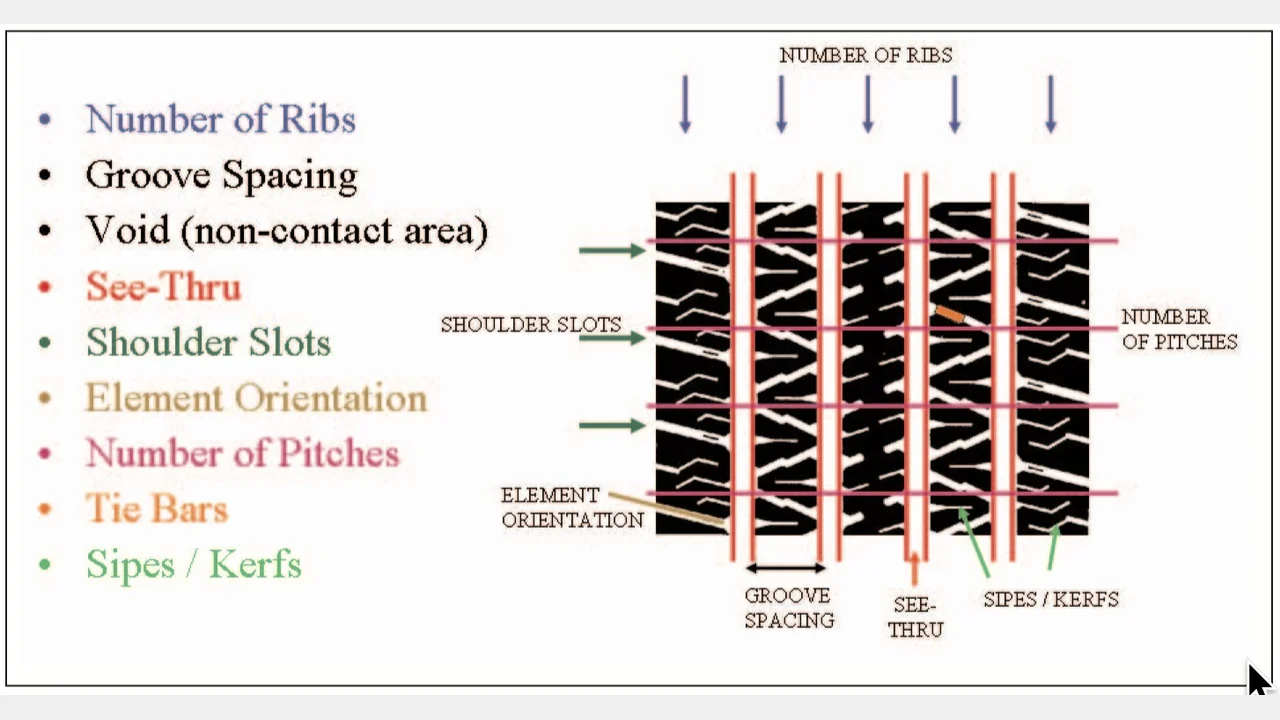
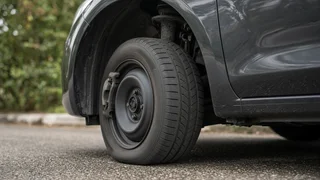
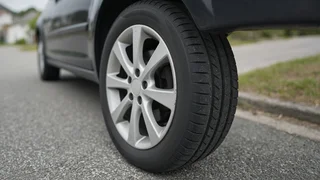
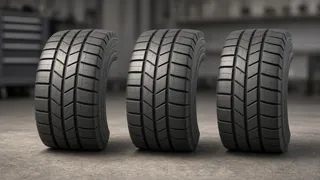
Uneven wear concentrated on a tire's outer or inner shoulder often points to a suspension or inflation condition rather than a defect in the rubber itself. When the tread edge scrubs harder than the center, the contact patch is distorted under load. Understanding the difference between tire shoulder wear and normal tread consumption helps owners identify whether they are seeing a gradual mechanical issue or a serviceable pressure problem before it shortens tire life.
Essential answer
Shoulder wear on a tire typically develops when the outer tread blocks carry more load than the center of the contact patch. This pattern frequently appears on one edge or both edges and is commonly associated with sustained underinflation, where the tire's casing flexes excessively and encourages the shoulders to scrub. Aggressive cornering can also accelerate this wear by transferring vehicle weight onto the outside shoulder of the tire during a turn.
In other cases, the condition results from incorrect camber alignment, where the wheel tilts inward or outward and loads one shoulder consistently during straight-line driving. Worn suspension bushings, ball joints, or strut mounts may allow dynamic alignment changes that produce shoulder step wear or irregular cupping along the edge. Because tire size, load index, and inflation pressure affect how the tread sits on the road, a vehicle placard and measured tread depth help distinguish a pressure issue from a steering or suspension concern.