Manual Transmission Clutch Won't Engage
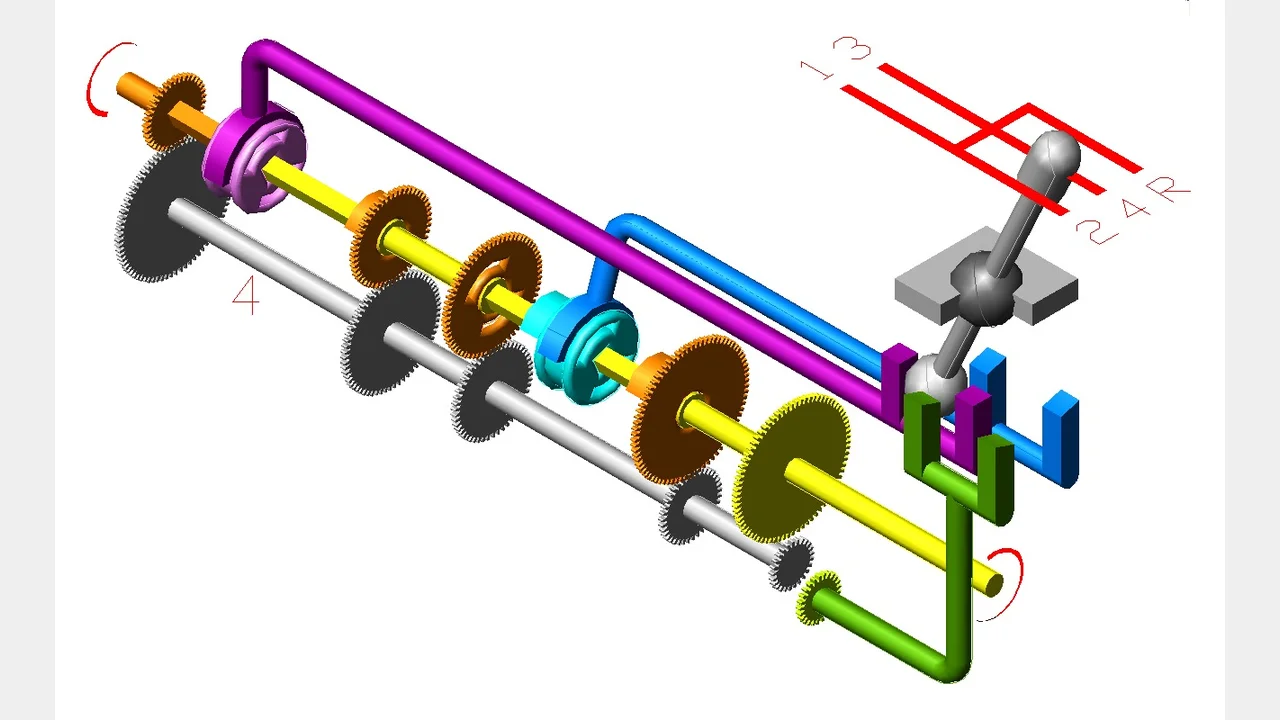
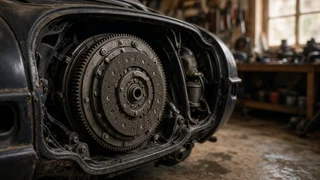
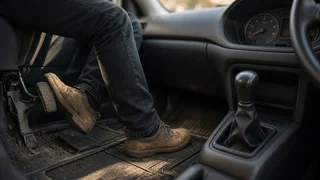
When a manual transmission clutch will not engage, the engine can run while the vehicle refuses to move or struggles to transfer power. This condition usually appears when the clutch pedal is released but the friction disc fails to clamp firmly between the flywheel and pressure plate. Drivers may notice a pedal with little resistance, grinding during gear selection, or a shifter that moves without any forward motion. Because the symptom can come from hydraulic, mechanical, cable, or linkage faults, careful observation of pedal feel, fluid level, and shift behavior helps narrow the cause before any repair decision.
Essential answer
The essential answer is that a clutch not engaging means the driveline is not receiving engine torque through the friction coupling. In normal operation, releasing the pedal lets the pressure plate squeeze the clutch disc against the flywheel. If that squeeze is missing, the transmission input shaft may not spin with the engine. Hydraulic clutch systems often cause this when a leaking master or slave cylinder cannot move the release bearing fully back. A stretched cable or bent linkage can produce the same incomplete return on mechanically actuated setups.
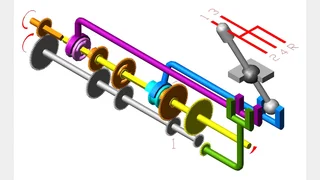
A second common path is internal damage at the disc, pressure plate, or input shaft splines. Worn friction material, broken damper springs, or a disc stuck on a contaminated input shaft can prevent reliable clamping. Shift behavior offers clues: if the lever enters gears easily with the engine running and pedal released, the clutch may be staying disengaged. If gear engagement is rough or blocked, the problem may involve the synchronizer, pilot bearing, or clutch release system rather than the friction surfaces alone.