Can You Buy a Hybrid Car With a Manual Transmission?
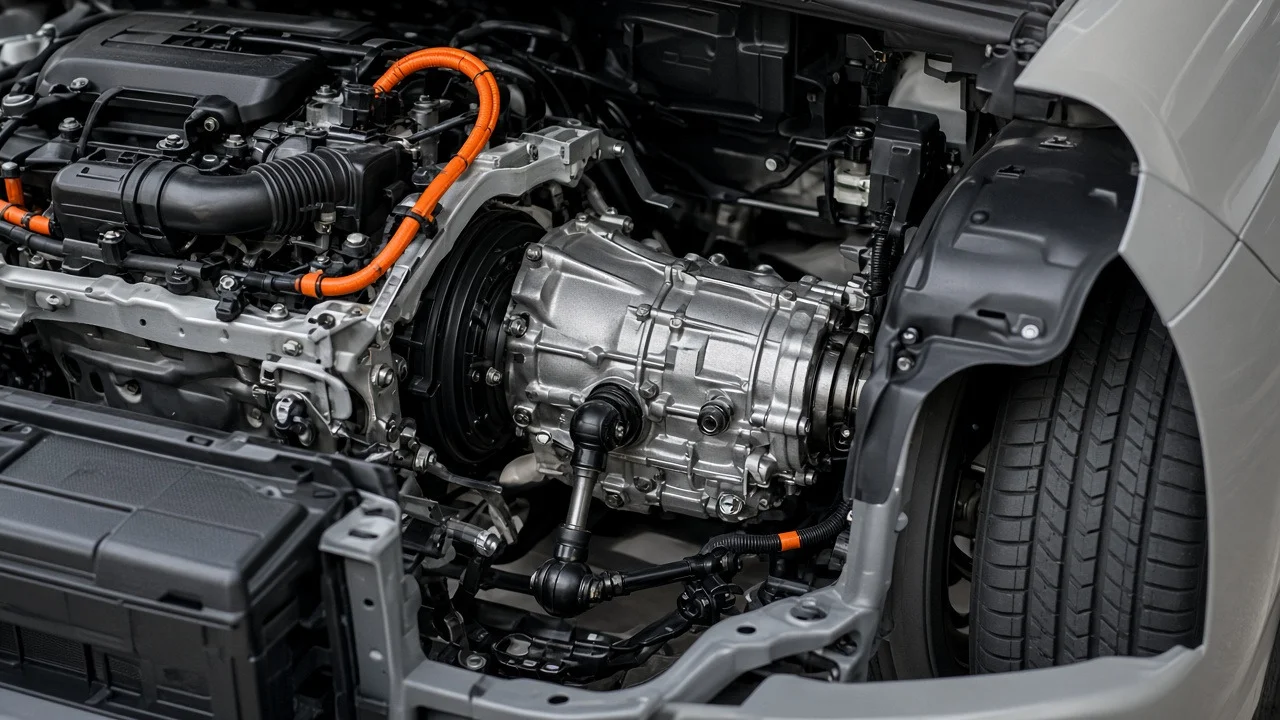
Short answer: in the US you generally cannot buy a new hybrid with a traditional manual transmission. Almost every hybrid on the market uses an automatic-type gearbox designed around the electric motor. You can still find manual hybrid cars on the used market, but only from a small number of older models, and owning one means accepting aging hybrid hardware and limited parts support. Outside the US the picture is somewhat different, because some markets offer mild hybrids paired with a clutch pedal.
Why Hybrids Rarely Come With a Manual Transmission
A hybrid constantly decides how much power should come from the gasoline engine, the electric motor or both. It also decides when to recharge the battery through regenerative braking, which means using the motor as a generator while the car slows down. That coordination works best when the car's computer controls the transmission as well as the engine and motor.
Many popular hybrids use a power-split system, often called an eCVT. It blends engine and motor output through a planetary gearset rather than fixed gears, so there are no conventional gears for a driver to select. Other hybrids use dedicated hybrid transmissions or automated gearboxes with electric motors built in. With a manual, the driver controls clutch engagement and gear choice, which makes it harder for the system to optimize efficiency and recover energy smoothly.
Market demand also matters. Manual transmissions are a small share of new-car sales in the US, and buyers who choose hybrids tend to prioritize fuel economy and ease of driving. Automakers have little incentive to engineer, certify and support a low-volume manual version of a hybrid powertrain.
Manual Hybrids That Were Sold in the US
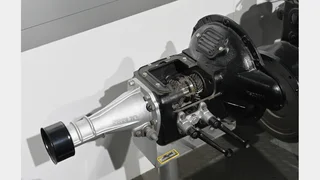
Honda is the main automaker that sold manual hybrids in the US. Its older Integrated Motor Assist (IMA) system placed a thin electric motor between the engine and the transmission, which allowed a conventional clutch and gearbox to be used.
First-generation Honda Insight (2000–2006): a two-seat hatchback that offered a 5-speed manual. Honda CR-Z (2011–2016): a sporty two-seat hybrid hatchback that offered a 6-speed manual. Early Honda Civic Hybrid model years: a manual was offered for a limited time; confirm transmission type for the exact model year and VIN before assuming a given car has one.
Availability by year and trim varied, so check the specific vehicle's window sticker, title record or VIN decode rather than relying on the model name alone. Production numbers for these cars were modest, so expect a small selection that is often concentrated among enthusiasts.
What About Mild Hybrids and Other Markets?
In some markets outside the US, automakers have paired manual or clutch-by-wire transmissions with mild hybrid systems. A mild hybrid uses a small motor-generator and battery to assist the engine and support start-stop operation. It usually cannot drive the car on electric power alone. These vehicles are a different category from full hybrids, and models sold abroad are generally not available new in the US. Importing one is restricted by federal safety and emissions rules, so it is rarely a practical route for a typical buyer.
Manual Hybrid vs. Other Options
Option | Clutch pedal | Typical availability in the US | Main trade-off; Used manual hybrid | Yes | Used only, older model years | Aging hybrid battery and limited parts support; New full hybrid | No | Widely available | No true manual control; Hybrid with manual mode or paddles | No | Varies by model | Simulated or limited gear selection; Conventional gas car with manual | Yes | Shrinking but still available | No hybrid efficiency gains
If driver engagement matters more than the clutch pedal itself, some current hybrids offer a manual mode, paddle shifters or selectable engine-braking levels. These do not recreate a true manual, and how convincing they feel depends on the model. Test driving is the only reliable way to judge their shift behavior.
What to Check Before Buying a Used Manual Hybrid
Because every manual hybrid in the US is now at least several years old, the condition of the specific car matters far more than the model's original reputation. Focus on the following areas.
Hybrid battery health: the high-voltage battery is the most expensive wear item. Ask whether it is original, rebuilt or replaced, and when the work was done. Diagnostic codes: have the car scanned with a tool that can read hybrid-system codes, not just generic engine codes. A warning light for the hybrid system, such as the IMA light on Honda models, should be investigated before purchase. Service history: look for records of battery work, clutch replacement, transmission fluid changes and any hybrid-system repairs. Clutch and shift behavior: check for slipping, a high engagement point, grinding between gears or difficulty selecting gears. Clutch wear depends heavily on how the previous owner drove. Transmission fluid specification: manual gearboxes on these cars require the fluid specified by the manufacturer. Ask what was used at the last change, since the wrong fluid can affect shift quality. Electric assist and regeneration: on a test drive, confirm the motor assists under acceleration and that the battery charge indicator responds during braking and coasting.
Parts Fitment and Repair Options
Low production volume affects long-term ownership. Some hybrid-specific parts can be harder to find or slower to arrive than parts for mainstream cars. Before buying, check whether replacement hybrid batteries, clutches and other key components are available. Confirm fitment by model year and transmission type, because parts for the manual and automatic versions of the same model can differ.
For repairs, you will usually choose among dealer service, independent shops with hybrid experience, and specialists who rebuild or recondition battery packs. Not every general repair shop is equipped to work on high-voltage systems, so it helps to identify a capable shop near you before you commit to the car.
Is a Manual Hybrid the Right Choice for You?
A used manual hybrid makes the most sense for buyers who specifically want a clutch pedal and some hybrid efficiency, and who are prepared to evaluate an older car carefully and maintain it proactively. If your priority is low running costs, modern safety features and easy servicing, a newer automatic hybrid will usually be the more practical choice. If driving engagement matters most, a conventional manual car may suit you better. In either case, decide which matters more, the clutch pedal or the hybrid powertrain, and shop with that priority in mind.