Manual Transmission Clutch Pedal
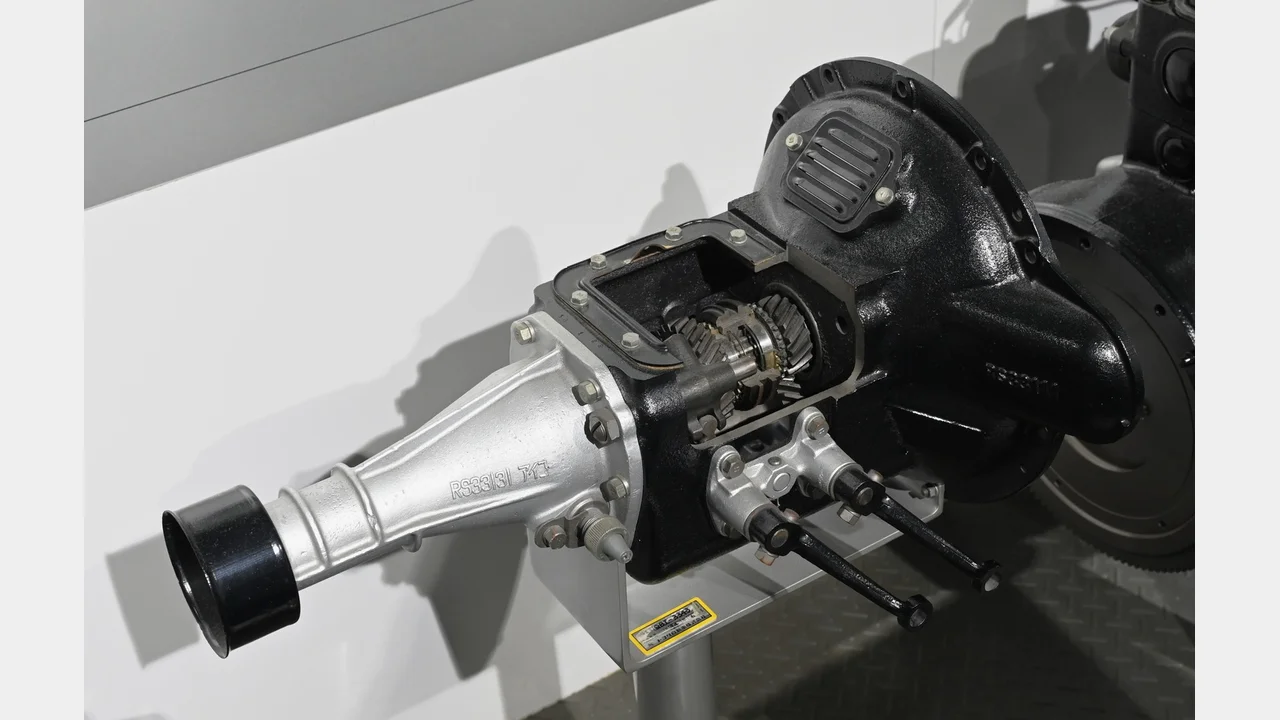
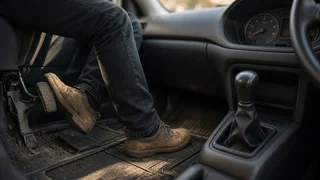
A manual transmission clutch pedal is the driver-operated lever that separates engine rotation from gearbox input so a gear can be selected. The pedal works through a mechanical or hydraulic linkage to move the clutch release system. This control defines manual driving because it requires timing between the left foot and the shift lever. Knowing how the pedal interacts with the clutch assembly helps you interpret engagement height, effort, vibration, and changes in shift behavior before they become a no-start or rolling concern.
Essential answer
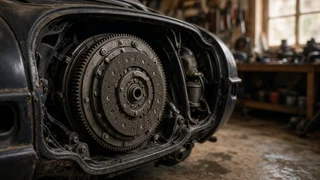
The clutch pedal is the input side of a manually operated friction coupling. Pressing it moves a release bearing toward the pressure plate, which unclamps the clutch disc from the flywheel and interrupts torque flow from the crankshaft to the transmission input shaft. Releasing the pedal gradually reapplies clamp load, letting the disc slip briefly so engine speed and road speed synchronize. This direct answer also carries a scope qualification: pedal feel and travel depend on the transmission type and clutch actuation layout, so two vehicles with the same symptom may point to different causes.
When you assess a clutch pedal, you are interpreting the combined behavior of several wear-sensitive parts, not simply a foot lever. Engagement point height, free play at the top of the stroke, resistance through the sweep, and return action all contain diagnostic information. A pedal that engages near the floor may indicate a worn friction disc or air in a hydraulic release circuit. A stiff or notchy pedal can point to a failing pressure plate, worn pivot, or cable binding. Because pedal symptoms overlap with clutch, release bearing, and hydraulic problems, the pedal is best read alongside shift quality and any diagnostic codes rather than as an isolated part.