Linear Power Car Audio Amplifiers
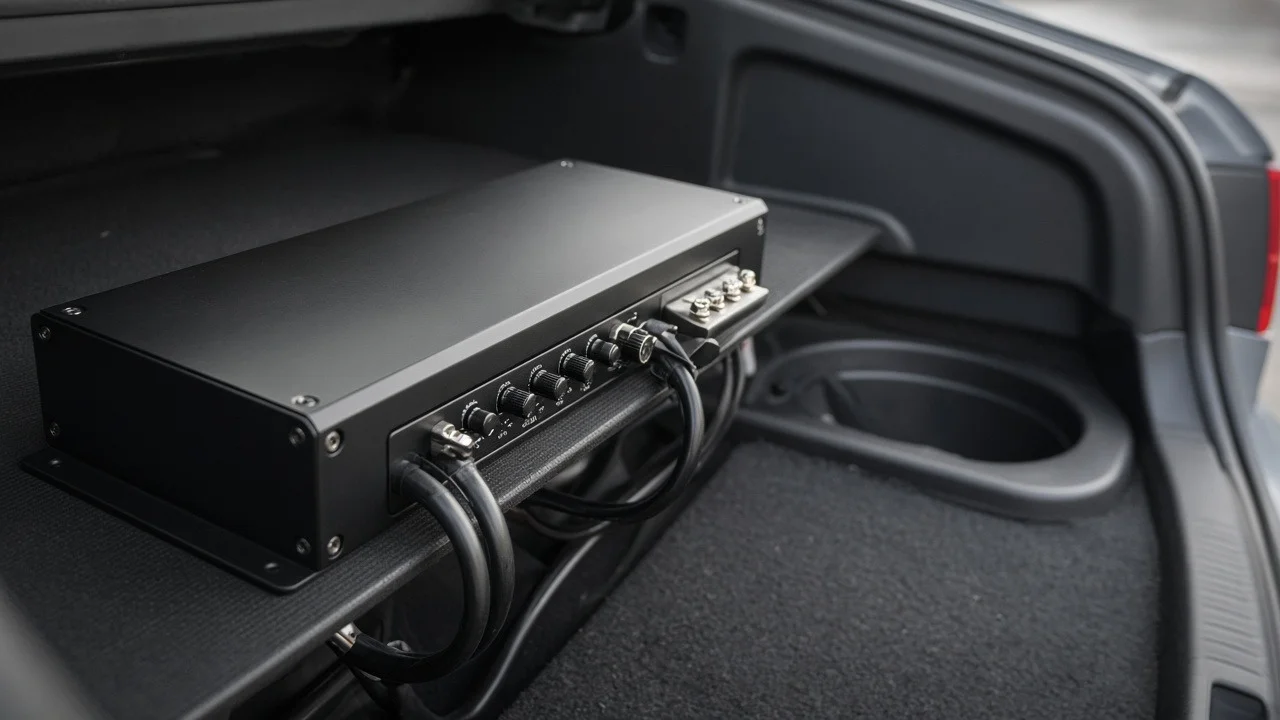
Choosing a linear power car audio amplifier usually begins with one practical question: whether it is the right match for your audio source, head unit, and speaker wiring. Unlike switching or Class D designs that rely on high-frequency pulse operation, a linear amplifier keeps the output stage operating across the audio waveform, which shapes its current draw and installation needs. The appeal often comes from expected tonal character, simpler noise behavior, or compatibility with existing vehicle integration. Because automotive electrical systems are regulated to roughly 12 to 14 volts, understanding how linear amplification uses that limited supply helps you evaluate power claims, heat, and the value of a proposed purchase before committing.
The direct answer
A linear power car audio amplifier can be a worthwhile choice when you prioritize controlled clipping behavior, predictable distortion characteristics, and a straightforward relationship between the input signal and speaker output. The direct answer is conditional: suitability depends on the electrical supply, the impedance of the connected speakers, and the quality of the signal reception and source feeding the amplifier. A vehicle with a robust charging system and shorter power cable runs is generally better prepared for the sustained current demand typical of a linear output stage.
The main trade-off is efficiency. Because a linear amplifier dissipates unused supply voltage as heat, it may produce less acoustic output per ampere than a high-efficiency switching design at the same nominal rating. For systems where speakers are efficient and listening levels are moderate, that penalty may be acceptable. Buyers should therefore compare the amplifier's rated output at the vehicle's actual voltage range, check the recommended speaker wiring gauge, and confirm that the head unit can deliver a clean low-level signal without excessive noise from the antenna or factory integration harness.