Laminated glass windshield
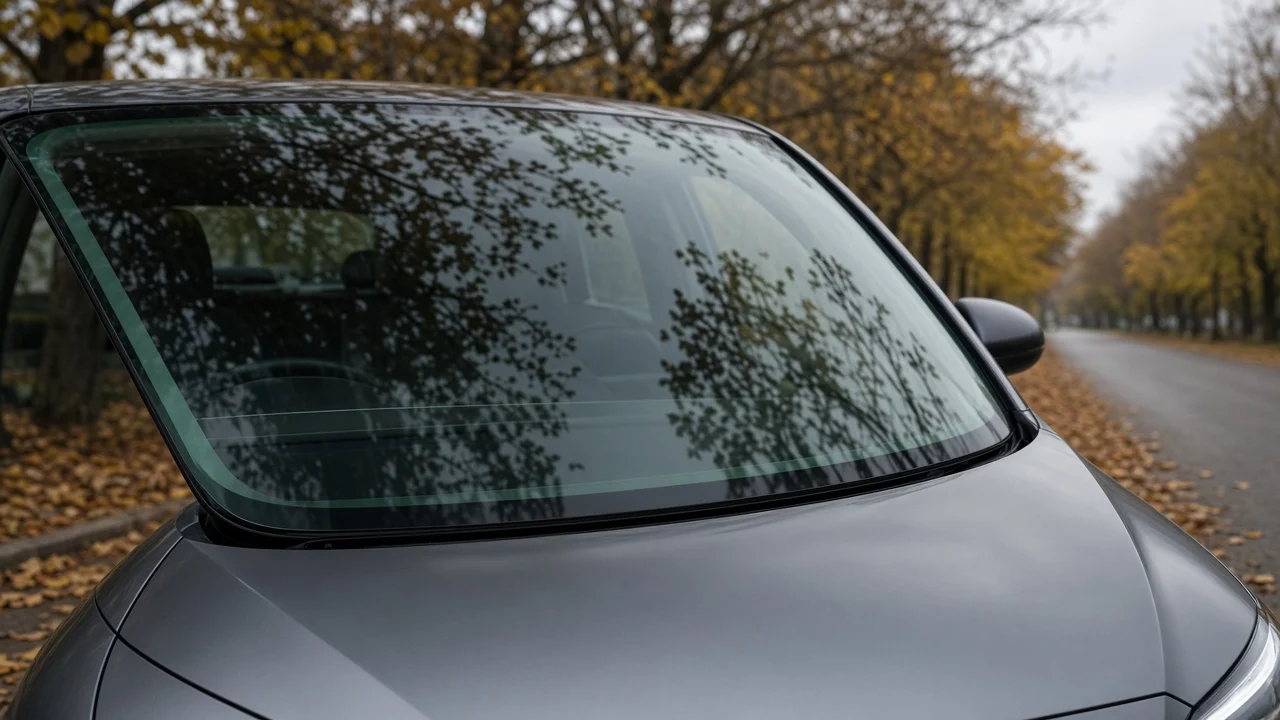
A laminated glass windshield is the standard front glass in most passenger vehicles sold in the United States. It combines two sheets of annealed glass with a tough plastic interlayer, usually polyvinyl butyral, bonded under heat and pressure. This construction keeps the pane intact after impact, helps support roof crush resistance, blocks much ultraviolet energy, and reduces noise entering the cabin. Because the Federal Motor Vehicle Safety Standards treat the windshield as part of the occupant restraint system, recognizing how laminated safety glass works—and how it differs from tempered side glass—can help owners evaluate replacement choices, understand damage, and protect visibility during everyday driving.
Essential answer
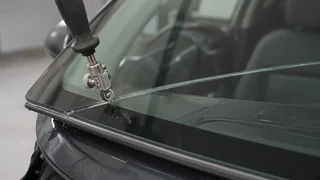
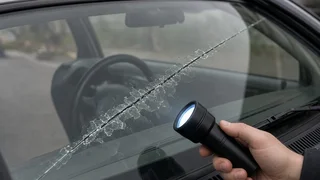
A laminated glass windshield is an automotive glazing assembly made from two layers of glass bonded to a clear plastic sheet. The plastic interlayer is the defining difference from ordinary single-layer glass: when road debris, a stone, or collision force strikes the pane, that inner membrane holds fragments together rather than allowing them to separate. The windshield may crack or develop a localized damaged area, but it generally remains in one sheet. This is why laminated safety glass is specified for the front position of passenger cars and light trucks, while tempered glass is more common in side and rear openings because it breaks into small granules that allow emergency exit.
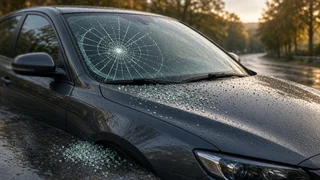
The practical value is visible in everyday use. A small rock chip can form a star or bullseye pattern that spreads through the outer glass layer without immediately destroying the panel, often preserving a clear view long enough to reach a safe stopping point. The interlayer also supports the windshield’s structural role: it helps distribute stress across the opening and works with the body and roof pillars during a rollover or frontal impact. Because the glass is a bonded component of the cabin, replacement requires careful preparation of the pinch weld, the correct adhesive system, and a glass specification that matches the vehicle rather than simply fitting the visible opening.