Why Do Cars Have Laminated Windshields?
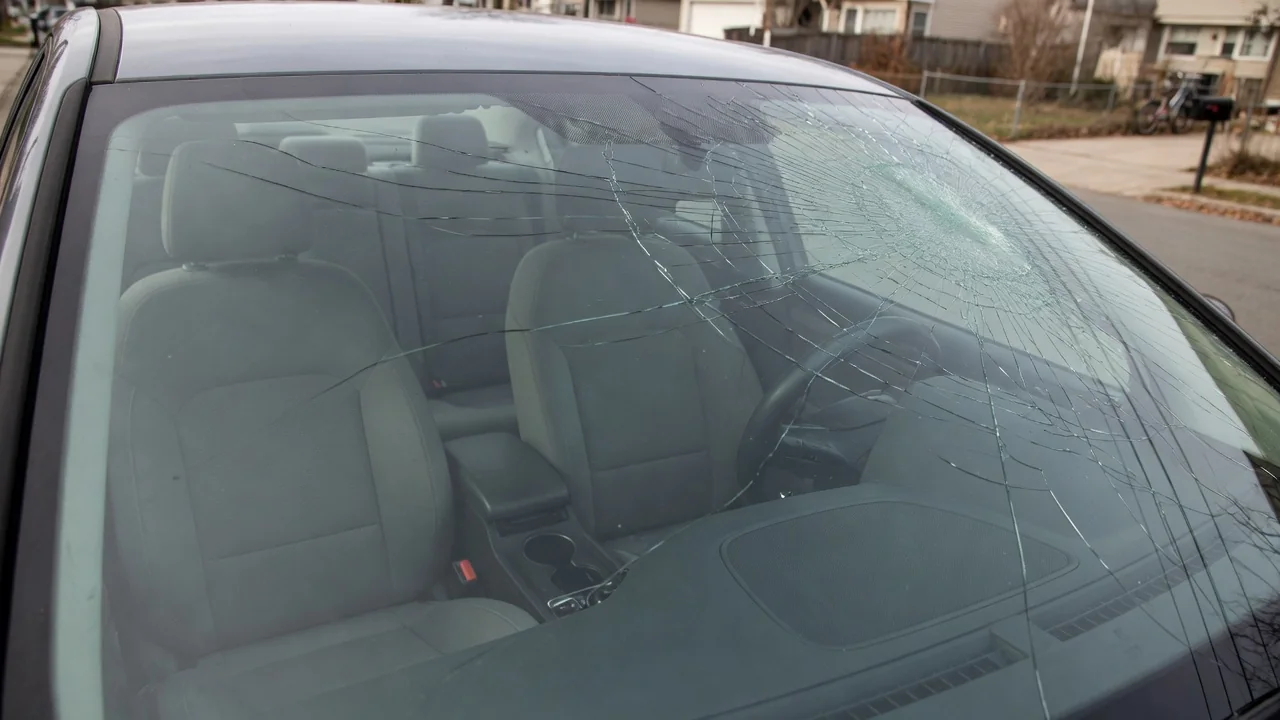
A windshield looks like a single sheet of glass, but it is a bonded sandwich built to behave very differently from most of the windows beside it. The reason why cars have laminated windshields comes down to that layered construction: how it holds together when struck, how it allows certain repairs, and what it means for the driver looking through it every day.
Layer structure
Laminated glass is made from two sheets of glass bonded to a thin plastic interlayer, commonly polyvinyl butyral, using heat and pressure. The interlayer is clear, so the finished panel reads as one piece from the driver's seat. The bond is the whole point. Because the plastic clings to both sheets across their entire surface, the layers work as a single unit when the windshield sees wind load, body flex over rough pavement, or sharp temperature swings between a cold morning and a warm defroster.
The layers are hard to see once the glass is installed, but a small printed marking in a lower corner often identifies the panel as laminated. Beyond the basic sandwich, details vary by vehicle. Some windshields use a sound-damping interlayer, a tinted shade band along the top, fine heating wires, an embedded antenna, or a specially shaped interlayer for a head-up display. Most side and rear windows are tempered glass instead, though some vehicles also use laminated glass in the doors.
Damage behavior
When a stone strikes a laminated windshield, the outer sheet usually takes the damage while the inner sheet stays intact. The result is a chip, a star-shaped break, a round bull's-eye, or a crack, rather than a collapsed window. Tempered glass behaves differently, crumbling into small granules across the whole pane once it fails. A laminated panel generally stays in its opening as a damaged but connected sheet, because the broken pieces remain stuck to the plastic layer underneath.
Damage rarely stays the same size. A chip can send out a crack when the glass is stressed by a pothole, a slammed door, or a hot defroster on a frozen windshield, and cracks that start near the edge tend to run farther. In a heavier impact the glass may form a dense spiderweb pattern, yet the fragments still adhere to the interlayer. On older glass, moisture can creep in at the edges and leave a milky or cloudy band where the layers have begun to separate.
Repair implications
Because damage is often limited to the outer sheet, many chips can be repaired rather than leading to replacement of the whole windshield. A technician fills the break with a clear resin and cures it, which improves the appearance and helps keep the damage from spreading. Tempered glass offers no such option. Whether a specific chip qualifies depends on its size, depth, type, and position, especially if it sits near the edge or directly in the driver's line of sight.
Replacement is a bigger job than it looks. The windshield is bonded to the body with a urethane adhesive that needs time to cure before the vehicle is driven, and that time depends on the product used. Many vehicles also mount cameras, rain sensors, or light sensors against the glass, and these may need recalibration afterward according to the manufacturer's procedure. The replacement panel must match the original options too, since acoustic, heated, and head-up display versions are not interchangeable.
Everyday Use and Observations
The layered construction affects daily driving in quieter ways than impact resistance. The plastic interlayer damps vibration, so less wind and road noise passes through the windshield than through a comparable single sheet. It also filters a large share of ultraviolet light, which is one reason the dashboard side of the cabin is treated differently from the tempered side windows on many vehicles. Polarized sunglasses sometimes reveal blotchy stress patterns in tempered rear glass that the windshield does not show.
A few simple observations confirm how the layers behave. A fresh chip often shows as a dark dot or a small sparkle that catches low sunlight, and a fingernail will catch on it from outside while the inside surface remains perfectly smooth. The black dotted border around the perimeter is a baked-on ceramic band that hides the adhesive and shields it from sunlight. On head-up display vehicles, a doubled or ghosted projection can indicate that the wrong glass variant was installed.
Limits and Next Steps
Laminated glass is not unbreakable, and it does wear out. A severe impact can damage both sheets, long cracks interfere with the driver's view, and years of sand and grit leave fine pitting that scatters oncoming headlights and low sun into glare. Edge separation between the layers does not reverse once it starts. Rules about driving with a cracked windshield also differ by state, and inspection requirements vary, so local regulations matter as much as the condition of the glass itself.
When damage appears, a prompt assessment by a glass professional preserves the most options, since a small break is easier to repair before dirt and moisture work into it. Until then, gentle temperature changes help; blasting the defroster or pouring hot water on an icy windshield invites a crack to run. Glass coverage varies by insurance policy, so the terms are worth checking. A shop or dealer can confirm from the vehicle identification number which windshield version and sensor equipment the car actually has.