Laminated vs tempered glass windshield

A windshield does more than keep wind and weather out; it manages visibility, supports occupant protection, and forms part of the vehicle's structural envelope. The choice between laminated and tempered glass shapes how that pane behaves during everyday impacts, severe collisions, and replacement work. Understanding glass specification, fitment, sealing surface preparation, and adhesive compatibility helps drivers and owners evaluate a windshield rather than simply matching a part number. The comparison matters because these two glass types fail very differently, and the correct interpretation can prevent a rushed repair decision or an unsafe assumption about durability.
Direct answer
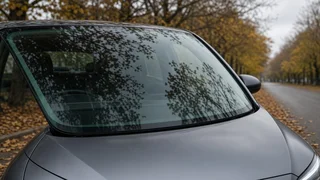
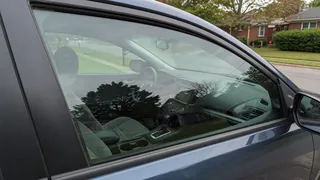
For windshields, laminated glass is the standard construction on modern US passenger vehicles because it remains largely in place when struck and supports the roof structure in a rollover. Tempered glass is normally reserved for side and rear windows, where rapid breakage into small fragments creates an escape path. A laminated windshield uses a plastic interlayer between two glass plies, while tempered glass is heat-treated as a single pane that fractures into granules when its surface stress is released.
The immediate answer to the laminated vs tempered glass windshield comparison is therefore not that one material is universally better, but that they serve different positions and safety roles. A windshield built from tempered glass alone would lose the structural contribution and restraint function expected at that mounting point. Owners evaluating replacement glass should confirm that the new pane matches the vehicle's designed glass specification, mounting points, and bonding requirements rather than assuming any clear pane with the same shape is equivalent.