Diagnose a crack between laminated windshield layers
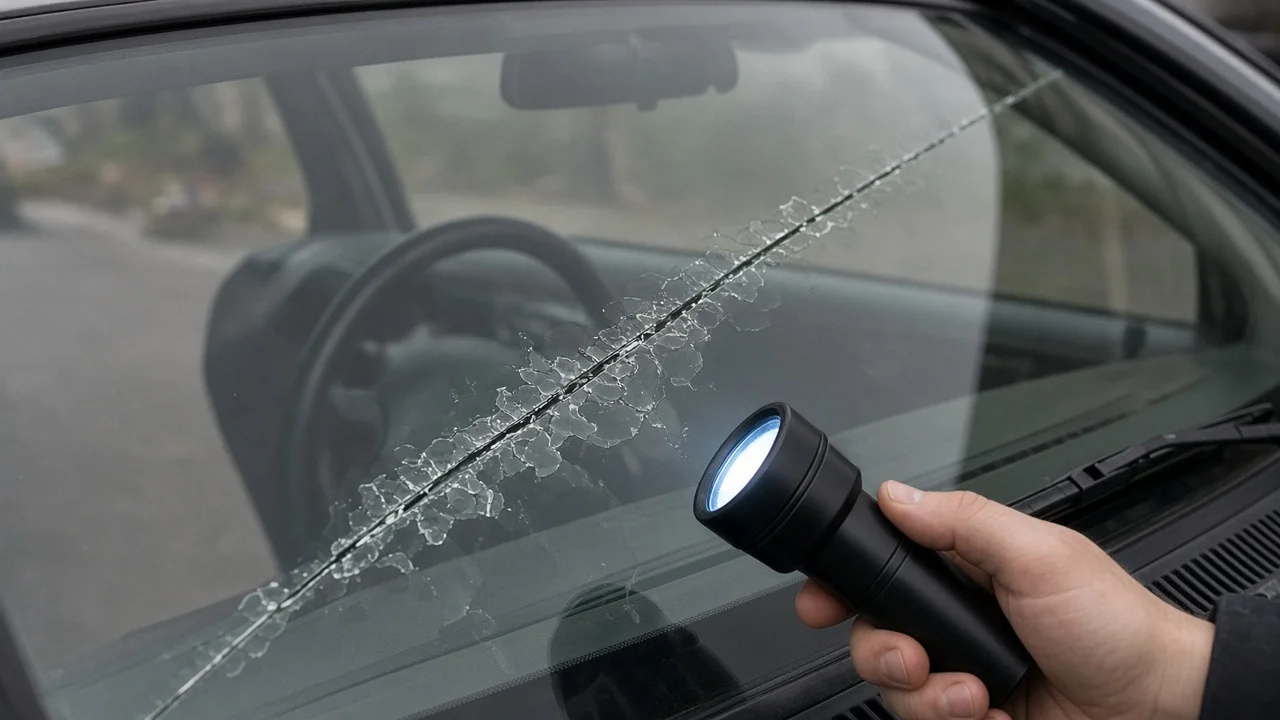
A windshield crack between glass layers is not a typical surface chip or a full-thickness break. Laminated automotive glass bonds two panes to a plastic interlayer, and damage sometimes develops inside that sandwich where the outer surface remains smooth. This condition changes how the defect behaves, how visible it becomes, and which repair options are realistic. Understanding the structure helps you judge whether the windshield can be safely driven, professionally repaired, or should be replaced.
Essential answer
A crack between the layers usually means the inner glass ply or the bonded plastic interlayer has separated or fractured while the outer pane stays intact. Laminated windshields are designed so the plastic core holds shattered glass together, but stress, impact energy, or manufacturing flaws can create a split that appears beneath the surface. Because the outer surface may feel smooth, a driver can mistake the mark for a scratch or water stain until light catches the separated area.
The practical scope is important. Surface-level windshield damage can sometimes be filled, but a crack between glass layers generally cannot be repaired with resin because the defect is not accessible from the outside. The laminated structure is also a safety component, so any separation that distorts visibility or weakens the bond between the glass and interlayer requires careful evaluation. Replacement is often the realistic remedy once internal cracking is confirmed.
Diagnosing a problem
To diagnose the problem, inspect the windshield from inside and outside under changing light. Run a fingertip over both surfaces; if both sides feel smooth but a reflective line or cloudy band appears inside the glass, the damage is likely within the laminate. Compare the mark from different angles and against a bright background. A surface crack will catch a fingernail, while an internal separation may look deeper and may change appearance with temperature or moisture.
Internal cracks often follow stress patterns near the edges, mounting points, or areas where the glass was bonded during installation. A stone impact can also transmit energy through the outer ply and fracture the inner layer without breaking the exterior. If the crack grows, crosses the driver's line of sight, or creates a milky area that scatters headlight glare, stop relying on that windshield for clear visibility. A professional glass inspection can confirm whether the layered damage affects structural integrity or requires replacement.