Keyless Protector USA: Relay Theft Protection
The Short Answer
A keyless protector, usually a signal-blocking pouch or box for your key fob, can stop the most common form of relay theft. It works only if it actually blocks your fob's signal and you use it every time the key is not in your hand. It does nothing against theft methods that don't rely on your fob, so it works best as one layer of security rather than the whole plan.
We could not confirm specific information about a seller or brand called Keyless Protector USA. That includes its products, prices, specifications, test results, warranty terms and contact details. The guidance below covers what any relay theft protector should do and how to check one before and after buying. Confirm brand-specific details directly with the seller.
How Relay Theft Works
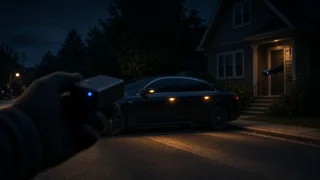
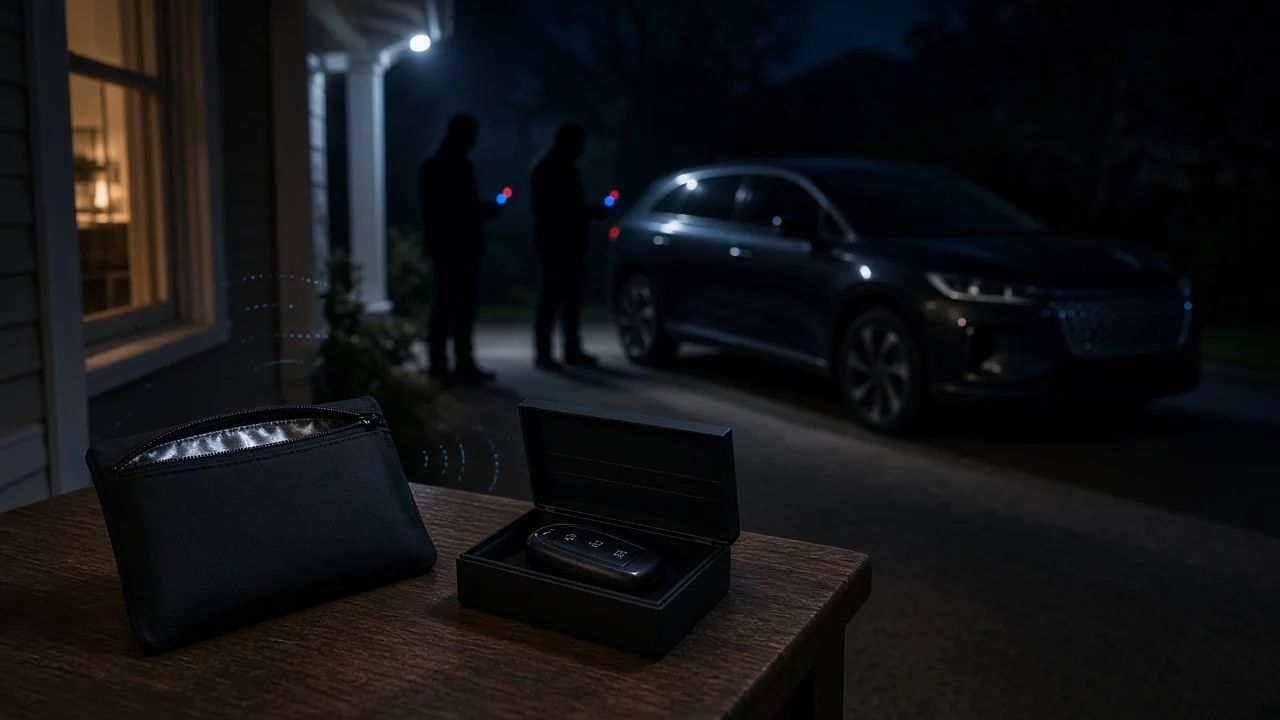
Many cars with keyless entry and push-button start unlock and start when they detect the fob nearby. In a relay attack, one thief holds a device near your key, for example near the front door of your home. That device picks up the fob's signal and passes it to a second device held by an accomplice next to the car. The car responds as if the key were close by, so the thieves can open it and, in many cases, start it without the physical key.
Because the attack depends on your fob responding to a signal, the defense is to keep the fob from being reached or from responding. A Faraday pouch or box does this. It is a container lined with conductive material that blocks radio signals, so the fob inside cannot communicate with anything.
Does Your Vehicle Need It?
Whether a protector matters depends on how your specific vehicle handles keyless access. Check the owner's manual or ask a dealer for your exact model year, trim and market. Features can differ between years and trim levels of the same model.
Passive keyless entry and start (you never press a button to unlock): this is the type most exposed to relay attacks, so a blocker is most relevant here. Button-only remote with a traditional key or turn-to-start: relay attacks of this kind generally do not apply. Fobs with a motion-sensing sleep mode: some fobs stop transmitting when left still, which reduces but may not eliminate exposure. Confirm whether your fob has this feature. Vehicles that let you turn off passive entry: some manufacturers offer a setting or button sequence to disable keyless entry on the fob or in the car's menus. Check your manual. Newer systems that measure the fob's distance precisely, such as ultra-wideband: these are designed to resist relay attacks, but confirm what your specific vehicle uses rather than assuming. Phone-as-key systems: a phone in a blocking pouch also loses calls and data, so weigh that trade-off.
What to Check Before Buying
No independent test results for Keyless Protector USA products were available, so judge any protector against the points below.
What to check | Why it matters; Fit for your fob | The fob must sit fully inside with the closure sealed. A gap at the opening can let the signal escape. Closure design | Fold-over or double-sealed closures generally leave less room for leaks than a single loose flap. Check that it closes completely each time. Number of blocking compartments | Some pouches have pockets that do not block signals. Know which section does. Durability of the lining | The conductive lining can wear or crack with repeated folding. That can reduce blocking over time without any visible sign. Box versus pouch | A box suits a fixed spot at home. A pouch suits carrying the key with you. Seller identity and return policy | Since we could not verify this seller's details, confirm who you are buying from, the warranty terms and whether you can return a unit that fails your own test. Performance claims | Treat claims of certification or guaranteed blocking with caution unless the seller can say what was tested and how.
How to Test a Protector Yourself
A simple check works for any brand. Repeat it from time to time, because blocking can weaken as the material wears.
Place the fob fully inside the protector and close it completely. Stand right next to the car, then try the door handle and, if safe to do so, the start button. If the car unlocks or detects the key, the protector is not blocking well enough for your vehicle. If it has multiple pockets, test each one you intend to use. Repeat the test every few months and after any visible damage.
What a Fob Blocker Will Not Stop
Some thefts do not involve your fob's signal at all. Examples include programming a new key through the diagnostic port or tapping into the car's wiring. A pouch cannot help with these. If your vehicle is a frequent theft target, consider adding a visible deterrent such as a steering wheel lock, a lock for the diagnostic port, an aftermarket immobilizer installed by a reputable fitter, or a tracking device. Check with your insurer whether any of these affect your coverage or premium.
Next Step
First, check your owner's manual to see whether your car uses passive keyless entry and whether the fob has a sleep mode or disable option. If the car is exposed, pick a protector that fits your fob, buy from a seller whose identity and return policy you can confirm, and test it against your own car straight away. Any details about Keyless Protector USA, such as prices, models, or claimed test results, should come directly from the seller, because none could be verified here.