Key Fob Battery Replacement
The Short Answer
On most vehicles, the key fob battery is a small coin-style cell that an owner can replace at home. You open the fob case, swap the old cell for an identical one, and close the case. The fob's stored link to the vehicle is generally held in its memory, not in the battery, so a battery swap usually does not erase it. The answer changes depending on the make, model, model year and key type. Some fobs have sealed cases, some use a different battery format, and some vehicles may need a resynchronization step after the swap. The owner's manual for your specific vehicle is the authoritative source.
What a Key Fob Battery Powers
A key fob is a small radio transmitter. The battery powers the buttons that lock, unlock or open the trunk. On vehicles with keyless entry or push-button start, also called passive or proximity entry, the battery also lets the car detect the fob nearby so the doors unlock and the engine starts without pressing a button. A weak battery affects these functions. It does not normally affect the car's own starting battery, which is a separate system.
Signs the Key Battery Is Low
A "key battery low" or similar message on the instrument cluster or infotainment screen, on vehicles that support this warning; You need to stand closer to the vehicle before the buttons respond; Buttons work only intermittently or need several presses; Proximity unlocking or push-button start fails to detect the fob; An indicator light on the fob, if it has one, is dim or no longer flashes
Radio interference, a damaged fob or a vehicle-side fault can produce similar symptoms. If a fresh battery does not fix the problem, the cause may lie elsewhere.
Identifying the Correct Replacement Battery
Coin-type lithium cells are common in key fobs, but the exact size varies between manufacturers and even between key designs from the same brand. Two reliable ways to find the right battery:
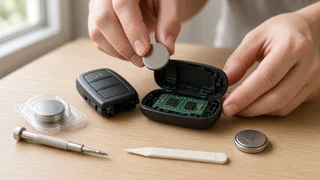
Read the code printed on the face of the existing battery once the fob is open. Check the owner's manual, which typically lists the battery type and the replacement procedure.
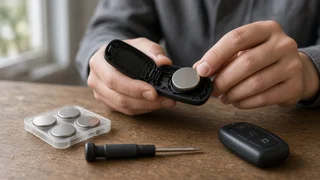
Coin cells with similar diameters can differ in thickness. A battery that looks close enough may sit loosely or fail to make good contact. Match the code exactly.
How Replacement Generally Works
Fob designs vary widely, so treat the steps below as a general outline. Follow your owner's manual for the actual procedure.
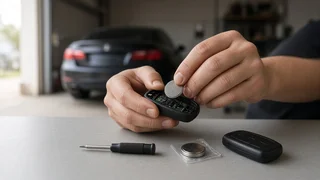
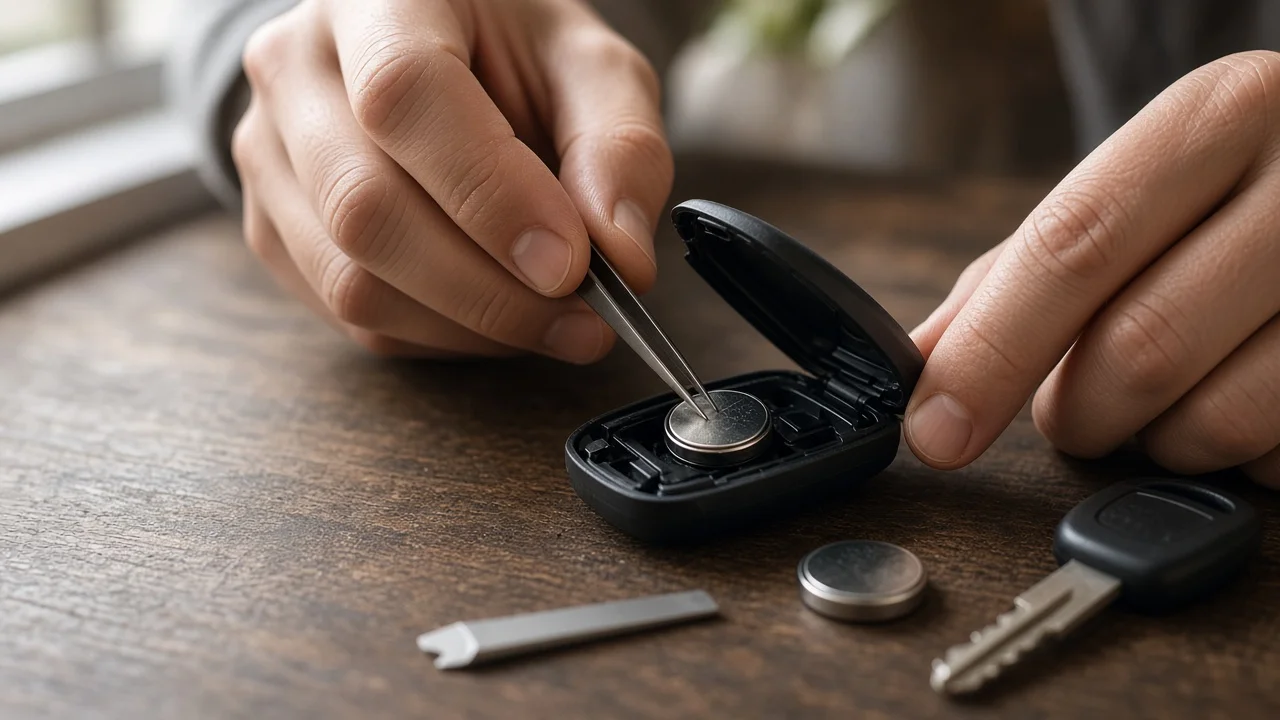
Remove the mechanical emergency key blade, if the fob has one. On many designs, this exposes a notch or seam used to open the case. Separate the case halves carefully, often by gently twisting a small flat tool in the notch. Prying hard or at the wrong point can crack the plastic or damage clips. Note which way the old battery faces, usually with the marked positive side up or down, before removing it. Insert the new battery in the same orientation. Avoid touching the flat faces more than necessary and avoid bending the contacts. Check that any rubber seal or gasket is seated, then snap the case closed. Test the lock, unlock and other buttons near the vehicle. If your vehicle has keyless entry, test that function as well.
Keyless Entry Fobs: Getting In When the Battery Is Dead
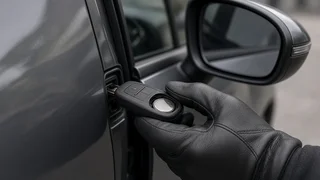
Many vehicles with keyless entry and push-button start include a backup method for a fob whose battery has run out. A common arrangement is a mechanical key blade hidden inside the fob for opening the driver's door. Another is a designated spot where the fob is held, such as against the start button or in a marked pocket or slot, so the car can read it at very short range. These methods vary by manufacturer and model. Look up the exact procedure for your vehicle before you need it.
Does the Fob Need Reprogramming?
In most cases, no. A battery change usually leaves the fob's pairing intact. Some vehicles may call for a brief resynchronization after a battery swap, such as using the fob near the vehicle or following a short sequence in the manual. Reprogramming is a different matter and is typically needed only when adding or replacing a fob. That process can require dealer or locksmith equipment, depending on the vehicle.
When to Get Help
Consider a dealer, locksmith or battery retailer if the fob case is sealed or hard to open safely, or if a new correctly sized battery does not restore operation. The same applies if the fob shows physical damage such as water exposure or broken contacts. Some service providers will install a fob battery, but their practices and charges vary.
What This Guide Does Not Cover
No model-specific evidence was available for this article. That rules out exact battery sizes for particular vehicles, expected battery life, replacement costs and brand-specific opening or resync procedures. All of these depend on the make, model, model year and key type. Confirm them in your owner's manual or with the manufacturer.