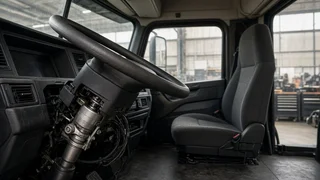
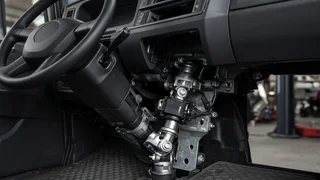
Kenworth dashboard

A Kenworth dashboard is the driver’s primary interface for monitoring a heavy truck’s operating status at a glance. It combines an instrument cluster with gauges, warning indicators, and display messages that translate sensor data into usable information. Because Kenworth builds trucks for varied vocational and on-highway applications, dashboards share core functions while reflecting different chassis, engine, and feature configurations. Learning how to read the layout helps an owner or operator distinguish a routine diagnostic check from a condition that needs timely attention.
Essential answer
The essential answer is that the Kenworth dashboard is a centralized instrument cluster designed to show speed, engine condition, air system state, and active faults while the truck is moving or during startup checks. Depending on the model and trim, it may include analog gauges, a digital message center, or a mix of both. Some vehicles also add application-specific readouts such as axle temperature, auxiliary equipment status, or transmission information.
This setup helps a driver recognize normal behavior before trouble appears. For example, changing oil pressure with engine rpm is expected, while a warning indicator that stays illuminated after the engine is running is not. Since Kenworth trucks vary by year, engine supplier, and body configuration, the exact meaning of a display message or symbol should be confirmed in the owner manual for that vehicle rather than assumed from a generic photograph or another truck.