Jeep Tire Pressure in Cold Weather
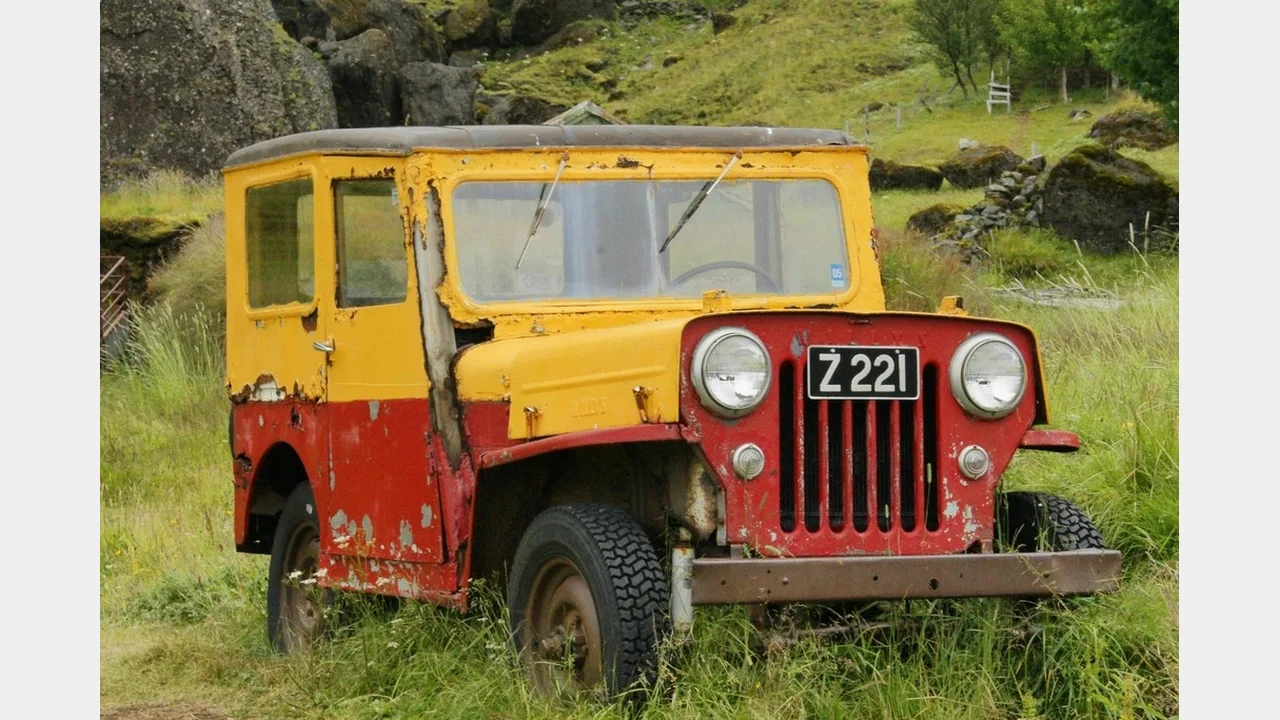
Cold weather changes how a Jeep tire behaves before the vehicle moves. The air inside the tire contracts as the temperature drops, lowering inflation pressure even when no air has leaked out. That pressure loss alters the tire's footprint, traction, ride quality, and the accuracy of the tire pressure monitoring system. Understanding this relationship for your Jeep's tire size, load index, and speed rating helps you maintain the vehicle placard inflation pressure and protect tread depth during seasonal temperature swings.
Essential answer
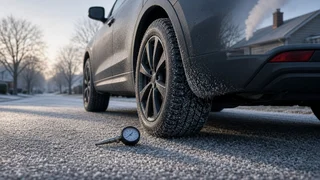
Jeep tire pressure in cold weather drops because the nitrogen and oxygen molecules inside the tire move less energetically at lower temperatures, reducing the force they exert on the tire's inner liner. A typical rule is roughly one psi of inflation pressure lost for every ten degrees Fahrenheit of ambient temperature decrease, but the exact amount depends on the starting pressure, humidity, and how long the tire has been sitting. The vehicle placard pressure is a cold setting, so a reading taken after the Jeep has been parked overnight in chilly conditions reflects the true storage pressure rather than a leak.
A low tire in winter usually needs only a small air adjustment back to the placard specification, not a repair, when the drop tracks the outside temperature. The load index and speed rating of the tire are ratings at a given inflation pressure, so running significantly below that pressure reduces the tire's ability to carry the Jeep's weight safely. Tread depth and drivetrain compatibility do not change with temperature, but they influence how quickly a soft tire scrubs or overheats on dry cold pavement or snow.