Japanese time attack cars
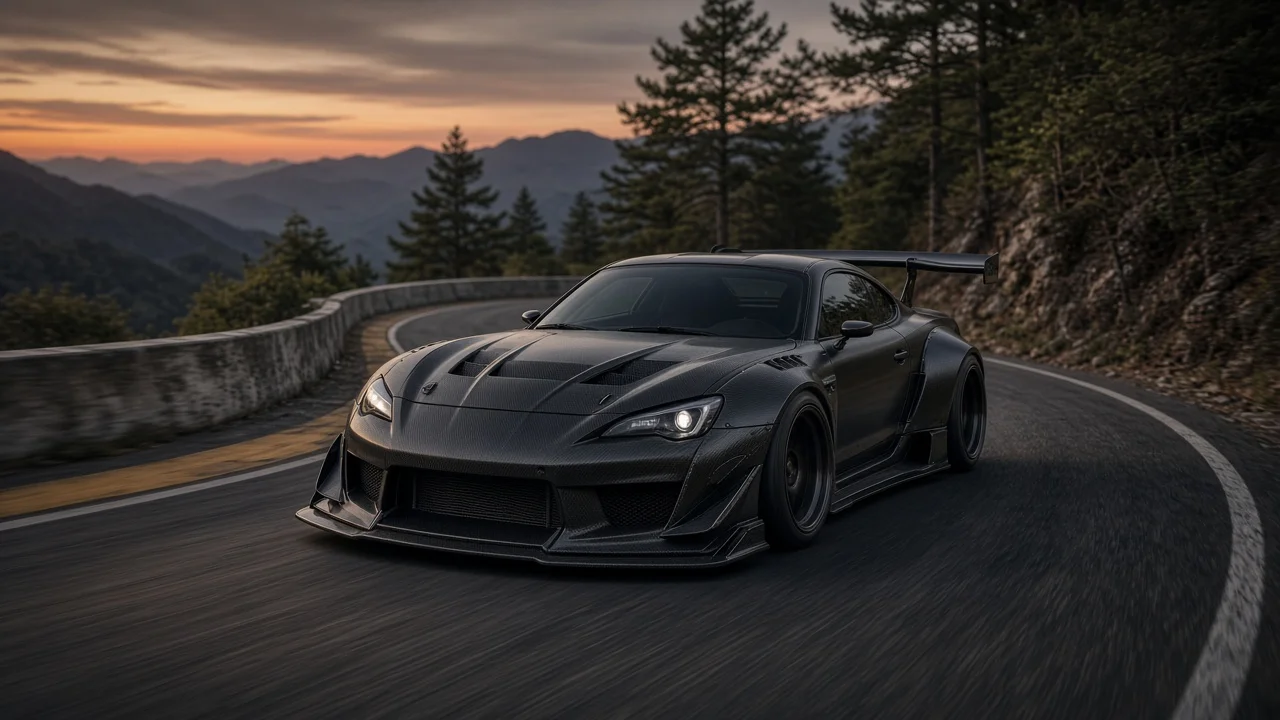
Japanese time attack cars represent a focused branch of motorsport engineering built around setting the fastest single lap on a closed circuit. Unlike wheel-to-wheel racing, these vehicles are developed for brief, maximum-intensity sprints where aerodynamics, power delivery, and tire temperature all peak within a handful of corners. The approach favors aggressive chassis setup and downforce over endurance or driver comfort. Understanding this category clarifies how body configuration, powertrain options, and equipment levels are selected for an entirely different set of demands than street driving or conventional circuit racing.
Essential answer
Japanese time attack cars are purpose-built or heavily modified machines designed to achieve one extremely fast lap rather than survive a long race. The format rewards peak aerodynamic grip, short-burst engine output, and rapid heat cycling in brakes and tires. Teams often begin with a specific model year and market segment that offers a light chassis or favorable suspension geometry, then rebuild nearly every system around lap-time goals. The result is a car that may be fragile in traffic but exceptionally quick when given a clear track.
Practical differentiation comes from setup choices that would hinder a normal race car. Aerodynamic elements are tuned for maximum downforce even if that adds drag, because passing is not the primary concern. Suspension alignment, tire compounds, and cooling systems are optimized for a single warm-up lap followed by one timed effort. Regional availability also shapes the category, as some chassis and engines common in Japan are more difficult to source elsewhere, influencing which platforms dominate local time attack events.