Is Biodiesel Renewable and Sustainable?
The Short Answer
Biodiesel is a renewable fuel. It is made from biological oils and fats that can be grown or recovered again, not from crude oil extracted from underground reserves. Renewable is not the same as sustainable, though. Whether a given batch of biodiesel is a sustainable choice depends on its feedstock, how that feedstock was produced, and the energy and chemicals used to turn it into fuel.
Is Biodiesel a Fossil Fuel?
No. Fossil fuels such as petroleum diesel come from organic material that formed over geological time and cannot be replaced on any human timescale. Biodiesel comes from recently living plants and animals. The carbon in its feedstock was drawn from the atmosphere during the current growing cycle, which is why biodiesel is classed as renewable.
There is one qualification. Standard biodiesel production usually uses methanol, which is commonly made from natural gas. A small fossil-derived input can therefore enter the finished fuel, and fossil energy may also power farming, transport and processing. This does not make biodiesel a fossil fuel, but it does mean biodiesel is not entirely free of fossil inputs.
Where Biodiesel Comes From
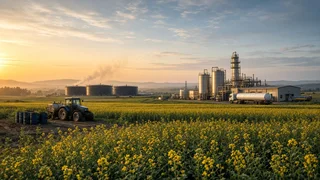
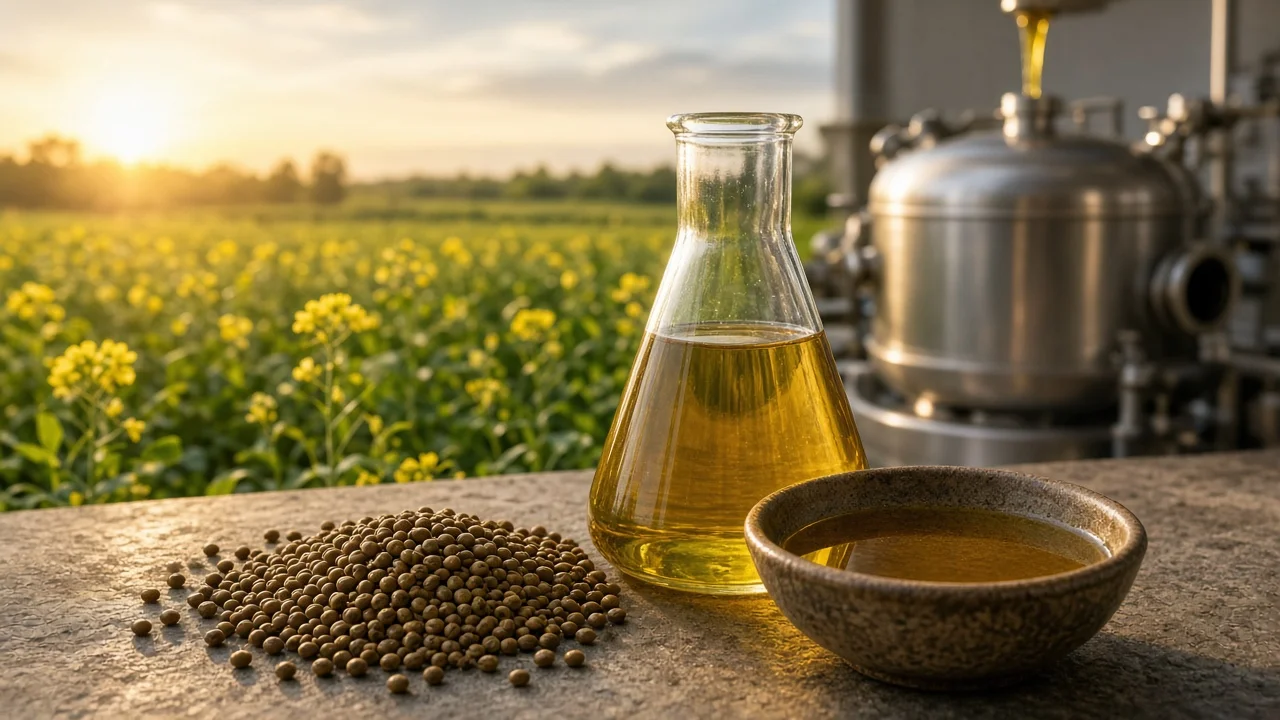
Chemically, biodiesel is a set of fatty acid methyl esters. Producers make it through a process called transesterification, in which oils or fats react with an alcohol, typically methanol, in the presence of a catalyst. The reaction yields biodiesel and glycerin as a co-product. Common feedstocks include:
Vegetable oils from crops grown for oil, such as soybean oil (widely used in the US) and canola or rapeseed oil; Used cooking oil and other recycled greases collected from restaurants and food processors; Animal fats such as tallow and poultry fat, recovered as by-products of meat processing; Corn oil recovered as a by-product of ethanol production; Algae and non-food oil crops, which are being researched and developed but are not yet established at large commercial scale
Why Renewable Does Not Automatically Mean Sustainable
Sustainability asks whether a fuel can be produced over the long term without unacceptable environmental, economic or social costs. For biodiesel, the answer varies mainly by feedstock.
Feedstock type | Sustainability strengths | Main concerns; Waste oils and fats (used cooking oil, tallow) | Reuse material that would otherwise need disposal; no extra cropland required | Limited supply; collection and cleaning add processing steps; Crop oils (soybean, canola) | Large, established supply; crops regrow each season | Fertilizer, farm energy and water use; competition with food uses; possible land-use change if new land is cleared; Algae and non-food oil crops | Potential to avoid competition with food crops | Not yet proven at large commercial scale; production costs and energy needs remain open questions
Land-use change is the most debated factor. If demand for crop oil leads to forests or grasslands being converted to farmland, the carbon released by that conversion can offset much of the climate benefit. Fuel made from wastes and by-products avoids most of this concern, so it is generally viewed as the more sustainable option.
Is Biodiesel a Green Fuel?
Biodiesel is often described as green because its carbon is short-cycle rather than fossil, and because it is biodegradable and low in sulfur. Lifecycle studies generally find lower greenhouse gas emissions than petroleum diesel. The size of that reduction depends heavily on the feedstock and the assumptions used, especially about land use. This article does not give specific emissions figures because no verified lifecycle data was available for it. Readers comparing fuels should look for published lifecycle assessments that state their feedstock and methodology.
Biodiesel Versus Renewable Diesel
Biodiesel and renewable diesel are different products, even though both are renewable and can use the same feedstocks. Renewable diesel, sometimes called HVO (hydrotreated vegetable oil), is made by treating oils and fats with hydrogen. The result is chemically very similar to petroleum diesel. Biodiesel remains a distinct ester-based fuel with its own properties and blending limits. The two should not be treated as interchangeable when checking fuel approvals for a vehicle.
What This Means for Diesel Vehicle Owners
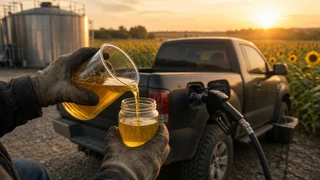
Biodiesel is usually sold blended with petroleum diesel. The B-number gives the biodiesel percentage: B5 is up to 5 percent biodiesel, B20 is 20 percent, and B100 is pure biodiesel. Approved blend levels vary by manufacturer, engine, model year and market. Always check the owner's manual or the manufacturer's fuel guidance before using blends above what is approved, because warranty coverage and component compatibility can depend on it.
Bottom Line
Biodiesel is renewable and is not a fossil fuel. It is made from plant oils, animal fats and recycled cooking oils. Its sustainability is conditional: fuel from wastes and by-products generally performs best, while crop-based biodiesel depends on how the crops are farmed and whether new land is cleared to grow them. The main gap in this overview is quantitative lifecycle data, which was not available here and varies by feedstock and study.