Biodiesel Fuel: Properties and Uses
What Biodiesel Is For
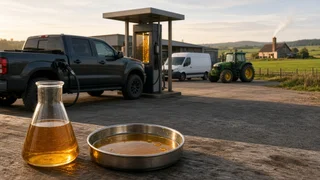
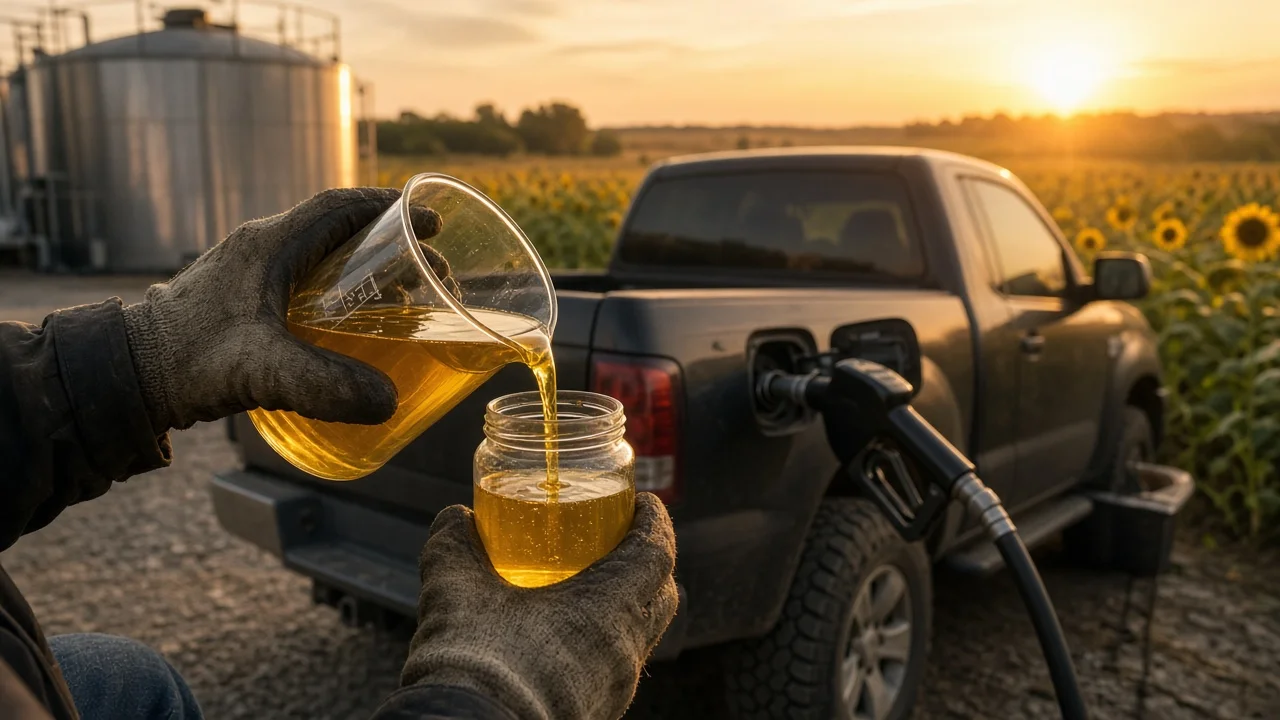
Biodiesel is a renewable fuel for compression-ignition (diesel) engines. It can replace part or all of the petroleum diesel those engines burn. It is made from vegetable oils, animal fats or recycled cooking grease, so it lets diesel vehicles and equipment run on a domestically producible, biodegradable fuel. It is usually blended with conventional diesel rather than used straight.
One qualification changes the answer for many owners: whether a given vehicle can use biodiesel, and at what blend level, depends on the engine manufacturer's approval for that model, model year and fuel system. Biodiesel is never a fuel for gasoline engines.
How Biodiesel Is Made
Biodiesel is produced through transesterification. In this chemical process, fats or oils react with an alcohol, typically methanol, in the presence of a catalyst. The reaction yields fatty acid methyl esters (FAME), which is the fuel itself, plus glycerin as a byproduct. The process is what separates biodiesel from raw vegetable oil.
Straight vegetable oil and waste grease are not biodiesel. Untreated oils are much thicker than diesel fuel and are not covered by biodiesel fuel standards. In the US, pure biodiesel intended for blending is specified under ASTM D6751.
Blend Labels Explained
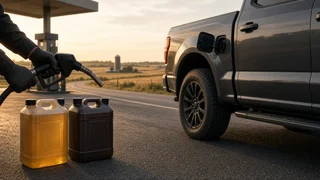
Biodiesel blends are labeled with a B followed by the percentage of biodiesel in the fuel. B100 is pure biodiesel. B20 is 20 percent biodiesel and 80 percent petroleum diesel. B5 is 5 percent biodiesel.
In the US, conventional diesel fuel specifications allow a small biodiesel content. As a result, some pump diesel may already contain low-level biodiesel without being marketed as a biodiesel blend. Mid-level blends up to B20 have their own specification, ASTM D7467. Higher blends and B100 are less commonly approved for on-road vehicles.
Key Properties Compared With Petroleum Diesel
The supplied evidence includes no measured values, so the comparisons below are qualitative. Exact figures vary with the feedstock, the blend level and fuel quality.
Property | Biodiesel compared with petroleum diesel | What it means for owners; Energy content | Somewhat lower per gallon | Fuel economy may drop slightly, more noticeably at higher blends; Lubricity | Higher | Low blends can improve lubrication of fuel pumps and injectors; Cold-weather flow | Poorer; gels or clouds at warmer temperatures | Higher blends may need winter blending, additives or heated storage; Solvent action | Stronger | Can loosen old deposits in tanks and lines, which may clog filters at first; Oxidation stability | Lower | Long-term storage needs attention; fuel can degrade over time; Flash point | Higher | Generally considered safer to handle and store; Biodegradability | Higher | Less environmental harm from spills; Material compatibility | Can affect some older seals, hoses and certain metals | Older fuel systems may need inspection or upgraded components
Common Uses of Biodiesel
On-road diesel vehicles, including pickups, vans, buses and heavy trucks, typically using blends approved by the engine maker; Fleet operations such as municipal, school bus and delivery fleets, often to meet renewable fuel or emissions goals; Agricultural, construction and off-road diesel equipment; Heating oil blends for home and building heating systems; Stationary diesel generators; Marine diesel engines in some applications; Blending in low concentrations to restore lubricity to ultra-low sulfur diesel
Emissions Effects
Burning biodiesel generally reduces tailpipe particulate matter, carbon monoxide and unburned hydrocarbons compared with petroleum diesel. The size of the reduction grows with the blend level. Nitrogen oxide (NOx) results are less consistent; some engines and test conditions show a small increase.
Modern diesels with particulate filters and selective catalytic reduction already control tailpipe emissions closely. For those vehicles, the main climate argument for biodiesel is lifecycle carbon. The carbon released when the fuel burns was recently absorbed by the plants or feedstock it came from. The actual lifecycle benefit depends on the feedstock and how it was produced. No quantified figures were available for this article.
Which Statements About Biodiesel Are True
True: Biodiesel is made from renewable fats and oils through transesterification. True: It can be used in many diesel engines, usually as a blend, without converting the engine, provided the manufacturer approves that blend level. True: It is biodegradable and less toxic than petroleum diesel. True: It has better lubricity but poorer cold-weather performance than petroleum diesel. False: Biodiesel can be used in gasoline engines. False: Biodiesel is the same as straight vegetable oil. False: Biodiesel is the same as renewable diesel.
Biodiesel Versus Renewable Diesel
Renewable diesel is often confused with biodiesel because it can be made from similar feedstocks. It is produced differently, typically through hydrotreating, and the result is a hydrocarbon fuel chemically similar to petroleum diesel rather than an ester. Because of that chemistry, renewable diesel generally does not share biodiesel's cold-flow, storage-stability and material-compatibility concerns. The two fuels are separate products with separate specifications and should not be treated as interchangeable when checking an engine's fuel approvals.
What to Check Before Using Biodiesel
Read the owner's manual or the engine maker's fuel guidance for the highest approved blend for your model year and engine. Using unapproved blends may affect warranty coverage. Buy fuel from suppliers that meet the applicable ASTM specification, since off-spec fuel causes most biodiesel problems. In older vehicles, or when first switching to higher blends, watch for clogged fuel filters as deposits loosen. In cold climates, confirm the supplier adjusts the blend or uses cold-flow additives for winter. Avoid long-term storage of high blends unless the fuel is stabilized and kept away from water and heat.
Evidence Gaps
No verified figures were available for this article, such as energy content, cetane rating, cloud point, emissions reductions, prices or manufacturer-specific blend approvals. The guidance above reflects general, well-established fuel principles. For decisions about a specific vehicle, use the manufacturer's documentation and current fuel specifications.