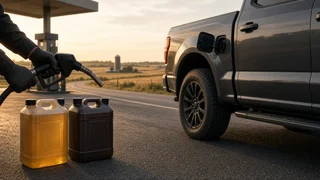
Biomass-Based Diesel vs Biodiesel: Fuel Categories and Compatibility
Biomass-based diesel and biodiesel are not competing fuels. Biomass-based diesel is a broad category, while biodiesel is one specific fuel inside it. In the US, biomass-based diesel mainly covers two different products: biodiesel and renewable diesel. Biodiesel is chemically different from petroleum diesel and is usually sold as a blend, so your engine's approved blend limit matters. Renewable diesel is chemically very close to petroleum diesel and is generally treated as a drop-in fuel. When a pump, invoice or article says "biomass-based diesel," find out which of the two you are actually buying before you decide whether it suits your vehicle.
What "Biomass-Based Diesel" Means
Biomass-based diesel is mostly a regulatory and market term. Under the federal Renewable Fuel Standard (RFS), it is a defined category of renewable fuel. It covers diesel replacements made from biomass feedstocks such as vegetable oils, used cooking oil and animal fats. To qualify, a fuel must meet the program's lifecycle greenhouse gas reduction threshold, which is set at 50 percent compared with petroleum diesel. Fuels in this category generate a specific type of compliance credit, so you will see the term in policy discussions, fuel contracts and industry reports more often than on a retail pump.
The category describes where a fuel comes from and how it is regulated. It does not describe one chemical formula. Two fuels can both count as biomass-based diesel and still behave very differently in a fuel system.
What Biodiesel Is
Biodiesel is made through a chemical process called transesterification, which converts fats and oils into fatty acid methyl esters (FAME). Each FAME molecule contains oxygen. That oxygen is the main reason biodiesel behaves differently from petroleum diesel in solvency, cold-weather performance, water absorption and storage stability.
Biodiesel is identified by its blend percentage. B100 is pure biodiesel. B20 is 20 percent biodiesel and 80 percent petroleum diesel. In the US, pure biodiesel intended for blending is covered by ASTM D6751. Blends from B6 to B20 have their own specification, ASTM D7467. Up to B5 can be blended into ordinary diesel that still meets the standard diesel specification, ASTM D975, which is why many drivers already use low-level biodiesel without noticing.
What Renewable Diesel Is
Renewable diesel is often called hydrotreated vegetable oil (HVO). It starts from similar fats and oils but is processed differently. Hydrotreating removes the oxygen and produces hydrocarbons that closely resemble those in petroleum diesel. Renewable diesel can meet the same ASTM D975 specification as conventional diesel, so it can generally be used straight or blended in any proportion without a separate blend specification.
Retail pumps may label it with an R number. R99 or R100 means nearly pure renewable diesel. Some stations sell combined products, such as renewable diesel blended with a share of biodiesel. In those blends, the biodiesel portion is what determines compatibility.
Side-by-Side Comparison
Attribute | Biomass-based diesel (category) | Biodiesel (FAME) | Renewable diesel (HVO); What it is | Regulatory category of biomass-derived diesel fuels | A specific fuel within the category | A specific fuel within the category; Chemistry | Varies by fuel | Methyl esters containing oxygen | Hydrocarbons, essentially oxygen-free; US fuel specification | Not a single specification | ASTM D6751 (B100), D7467 (B6–B20), up to B5 within D975 | Can meet ASTM D975; Typical pump labeling | Rarely shown at retail | B5, B20, B99/B100 | R99, R100, or renewable/biodiesel blends; Blend limits for engines | Depends on which fuel it is | Limited by the engine maker's approval | Generally usable as a drop-in; Key ownership concerns | Depends on which fuel it is | Filter clogging after switching, cold flow, water, storage life | Fewer concerns; possible seal effects in some older fuel systems
Compatibility: Which Fuel Your Engine Can Use
Both fuels are for compression-ignition (diesel) engines only. Neither belongs in a gasoline engine, whatever its engine configuration. Within diesel vehicles, the answer depends on the fuel type, the blend level and the vehicle's model year and design.
Biodiesel blends
Most modern diesel vehicles sold in the US are approved for at least B5, and many manufacturers approve B20 for specific models and model years. Approvals vary by manufacturer, engine, emissions system and market. A truck approved for B20 in one generation may be limited to B5 in another. The owner's manual or the fuel-recommendation section of the warranty booklet is the deciding source for your vehicle. If you use a blend above the approved level, the manufacturer may decline to cover fuel-related damage under warranty.
Higher blends such as B99 or B100 typically call for specific manufacturer approval, attention to fuel-system materials and careful cold-weather planning. These blends are more common in fleets with dedicated fueling and maintenance practices than in personal vehicles.
Renewable diesel
Because renewable diesel meets the conventional diesel specification, it is generally compatible with diesel engines that run on ordinary pump diesel, with no blend limit to track. Two points are worth knowing. First, renewable diesel contains very few aromatic compounds. In some older fuel systems, seals that have conditioned to aromatic-rich petroleum diesel can shrink slightly after a full switch, which can lead to weeping. Second, like ultra-low-sulfur petroleum diesel, renewable diesel relies on lubricity additives, which suppliers normally blend in to meet the specification.
What to Watch When Switching Fuels
Most issues arise during the transition from one fuel to another, not from steady use of an approved fuel. These checks cover the common concerns:
Fuel filter: Biodiesel acts as a mild solvent and can loosen deposits that have built up in the tank and lines. The fuel filter may trap this material and clog sooner than usual after the first few tanks. Carrying a spare filter or shortening the first change interval is a sensible precaution, especially on older or high-mileage vehicles. Leak check: After a switch to higher biodiesel blends or to renewable diesel, inspect around fuel lines, the fuel pump and injector connections for dampness or seepage. Older vehicles with original rubber components deserve the closest look. Fuel pressure and drivability: A partially clogged filter can starve the fuel pump and reduce fuel pressure to the injectors. Hesitation, power loss under load or hard starting soon after a fuel change usually points to the filter before anything more serious. Injectors: Modern high-pressure common-rail injectors have very tight tolerances and depend on clean, in-spec fuel. Buy blends from suppliers that sell fuel meeting the relevant ASTM specification, and avoid homemade or off-spec biodiesel. Cold weather: Biodiesel starts to cloud and gel at higher temperatures than petroleum diesel, and the effect grows with blend level. In cold climates, fuel suppliers often adjust blends seasonally. Renewable diesel's cold behavior depends on how it is produced, so check the cold-weather rating from the supplier rather than assuming. Storage: Biodiesel absorbs more water and is less oxidation-stable than petroleum diesel. That matters for vehicles, equipment or backup generators that sit for long periods. Renewable diesel generally stores more like conventional diesel.
Diesel engines don't report fuel trim the way gasoline engines do, but some diagnostic tools display injector correction or balance values. If those values shift noticeably after a fuel change, it is worth having a technician look at fuel quality and the injectors.
Choosing by Situation
Modern diesel pickup, SUV or car under warranty: Stay within the biodiesel blend the manual approves, often B5 or B20 depending on the model. Renewable diesel is generally acceptable where conventional diesel is. Older diesel vehicle with original fuel-system parts: Low biodiesel blends are the cautious choice. If you move to higher blends or to renewable diesel, plan an early filter change and a leak check. Cold climate: Ask whether the station adjusts blends for winter, and favor fuels with a rating suited to local temperatures. Lower biodiesel content reduces gelling risk. Vehicle or equipment that sits unused: Renewable diesel or low biodiesel blends store better. Higher biodiesel blends call for tank management and limited storage time. Fleet aiming to cut emissions: Both fuels can help. Renewable diesel offers simpler compatibility, while biodiesel blends are widely available and well understood. Confirm approvals for every engine in the fleet.
Key Takeaway
In the biomass-based diesel vs biodiesel comparison, the category is the umbrella term and biodiesel is one fuel under it, with renewable diesel as the other main member. For a vehicle owner, the practical question is which fuel is in the tank. With biodiesel, follow your manufacturer's approved blend limit and watch the filter after switching. With renewable diesel, compatibility is generally straightforward, though older fuel systems are worth checking for leaks.