Biodiesel Sustainability and Environmental Impact
The Short Answer
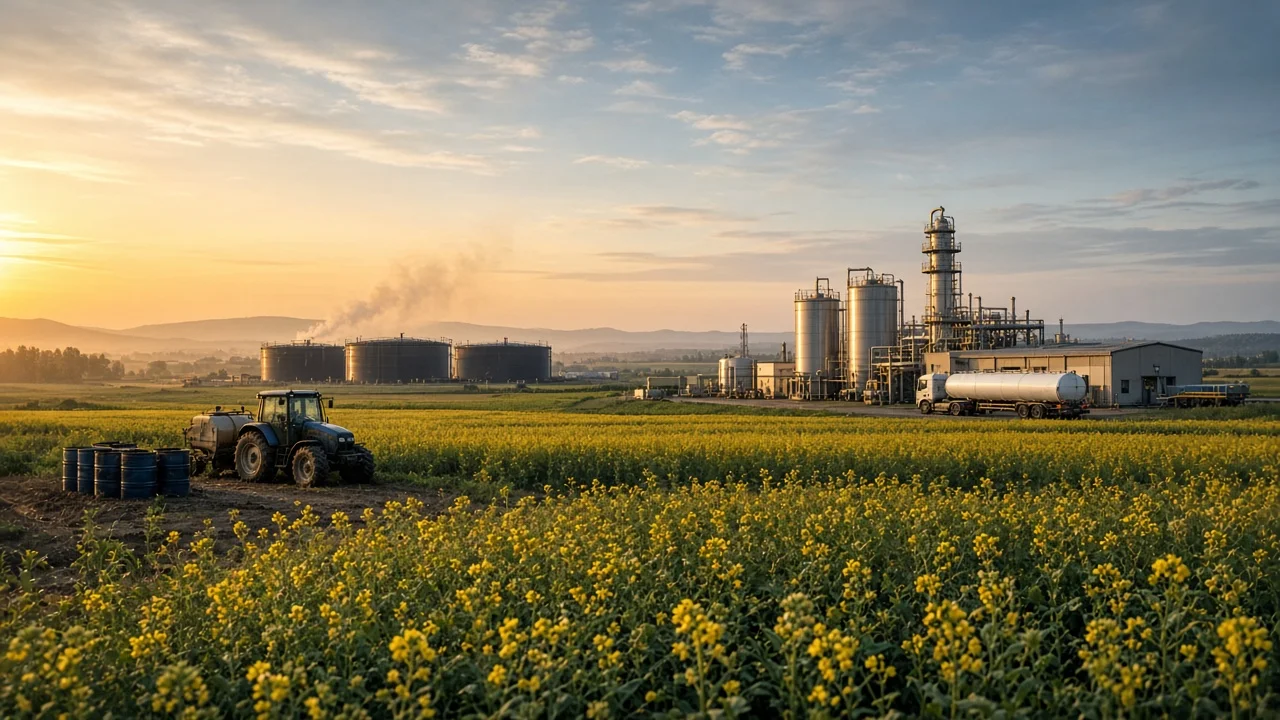
Biodiesel can be more sustainable than petroleum diesel, but it is not automatically so. Its environmental benefit depends mainly on what it is made from and how that raw material was produced. Biodiesel made from waste fats and used cooking oil generally has the strongest sustainability case. Biodiesel made from crops grown on land cleared for that purpose can lose much or all of its climate advantage. Any answer that does not account for the feedstock, meaning the oil or fat the fuel is made from, leaves out the factor that most changes the result.
This guide does not give specific emissions percentages or lifecycle scores. No verified figures were available for it, and published values vary widely by feedstock, region, production method and the assumptions behind each analysis. The sections below explain the principles that decide whether a given biodiesel is a sound environmental choice.
What Biodiesel Is
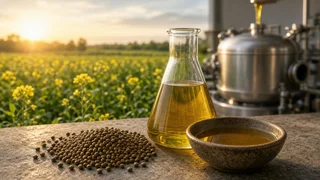
Biodiesel is a renewable fuel for diesel engines. It is made from vegetable oils, animal fats or recycled cooking grease. These raw materials go through a chemical process called transesterification, which reacts the oils with an alcohol, usually methanol, to produce fatty acid methyl esters (FAME). Glycerin is created as a by-product. In the US, pure biodiesel (B100) used for blending is covered by the ASTM D6751 specification.
Most biodiesel is sold blended with petroleum diesel. The blend name shows the biodiesel share: B5 is up to 5 percent biodiesel, B20 is 6 to 20 percent, and B100 is pure biodiesel. Environmental effects scale roughly with the blend level, so a low blend changes a vehicle's overall footprint far less than high blends or B100.
Why Feedstock Decides the Sustainability Case
The carbon in biodiesel comes from plants that took carbon dioxide out of the atmosphere as they grew. That is the basis of its climate benefit. Lifecycle assessment, which counts emissions from growing or collecting the feedstock through refining, transport and combustion, often shows that the real outcome depends on what happens before the fuel reaches the pump.
Waste and residue feedstocks, such as used cooking oil and rendered animal fats: these generally offer the largest lifecycle benefit because they reuse material that already exists rather than requiring new land. Dedicated oilseed crops, such as soybean and canola (rapeseed): the result depends on fertilizer use, farm energy, yields and whether crop expansion displaces other land uses. Crops linked to deforestation or peatland drainage, which is a recurring concern with palm oil in some producing regions: clearing forests or draining peat releases large amounts of stored carbon and can outweigh the fuel's combustion benefit for many years.
Indirect land-use change is one of the most disputed parts of biodiesel analysis. When cropland grown for food is diverted to fuel, farming may expand onto new land elsewhere. Those indirect emissions are hard to measure, and different models produce noticeably different results. This uncertainty is the main reason published sustainability ratings for the same fuel can disagree.
Environmental Impact at the Tailpipe
Compared with petroleum diesel, biodiesel generally lowers tailpipe emissions of particulate matter (soot), carbon monoxide and unburned hydrocarbons. It also contains almost no sulfur. Its effect on nitrogen oxides (NOx) is less clear. Some testing on older engines has found NOx to be similar or slightly higher, depending on the engine, the blend level and the operating conditions.
Exhaust aftertreatment changes these comparisons. In modern diesels with diesel particulate filters and selective catalytic reduction, much of the tailpipe difference between fuels is reduced because the hardware controls soot and NOx no matter which fuel is used. In those vehicles, biodiesel's main environmental case rests on lifecycle carbon rather than on local air pollutants.
Other Environmental Factors
Biodegradability and toxicity: biodiesel is generally more biodegradable and less toxic than petroleum diesel, which reduces harm from spills on soil or in water. Agricultural impacts: crop-based feedstocks can bring fertilizer runoff, pesticide use and pressure on water resources, depending on farming practices. Food and land competition: using food crops for fuel raises questions about crop prices and land demand. These questions largely do not apply to waste-based feedstocks. By-products: glycerin from production can be refined and sold for other uses, which affects how a lifecycle study divides the emissions between products.
How Biodiesel Differs From Renewable Diesel
Renewable diesel, often called HVO (hydrotreated vegetable oil), is made from many of the same feedstocks, but it is processed differently. Hydrotreating produces a hydrocarbon fuel that is chemically very close to petroleum diesel. Biodiesel is a different molecule (FAME). As a result, renewable diesel can usually be used at higher concentrations without the cold-weather and storage-stability limits linked to high biodiesel blends. The sustainability question is still the same for both fuels: the feedstock and its land-use history decide most of the environmental outcome.
What This Means for Diesel Vehicle Owners
Approval for biodiesel blends varies by manufacturer, model year and engine. Many diesel vehicles in the US are approved for low blends, and some are approved for B20. Higher blends may affect fuel-system components or warranty coverage. Check the owner's manual or the manufacturer's fuel guidance before using anything above the approved blend level.
If you want the most sustainable option, the most useful question to ask a fuel supplier is what the biodiesel is made from. Waste-derived fuel produced to the applicable quality specification generally offers the clearest environmental benefit. Crop-based fuel can still lower lifecycle emissions, but its advantage depends on sourcing that is often hard for a buyer to check.
Evidence Gaps
This overview relies on general, well-established principles rather than specific test data. It does not give lifecycle emissions percentages, feedstock-by-feedstock carbon scores or blend-specific tailpipe measurements, because no verified figures were available. Readers who need numbers should look for current lifecycle analyses from government agencies or independent researchers, and should note which feedstock, region and land-use assumptions each study uses.